-

RDP for Windows and Linux
Read more: RDP for Windows and LinuxOf course. You’re looking for a way to control a Windows machine remotely with a graphical interface (GUI) over an SSH connection. This is a very common need. The standard Windows Remote Desktop Protocol (RDP) is the most native and performant solution, but using it over SSH adds a powerful layer of security and is…
-

🗃️ Comprehensive Guide to Managing Metadata in SharePoint
Read more: 🗃️ Comprehensive Guide to Managing Metadata in SharePoint🌟 Understanding SharePoint Metadata Metadata is structured information that describes, explains, locates, or makes it easier to retrieve, use, or manage content. In SharePoint, metadata powers: 🛠️ Core Metadata Management Tools 1. Term Store Management The central hub for enterprise taxonomy: 2. Content Types Reusable collections of metadata columns: 3. Site Columns Reusable metadata fields…
-
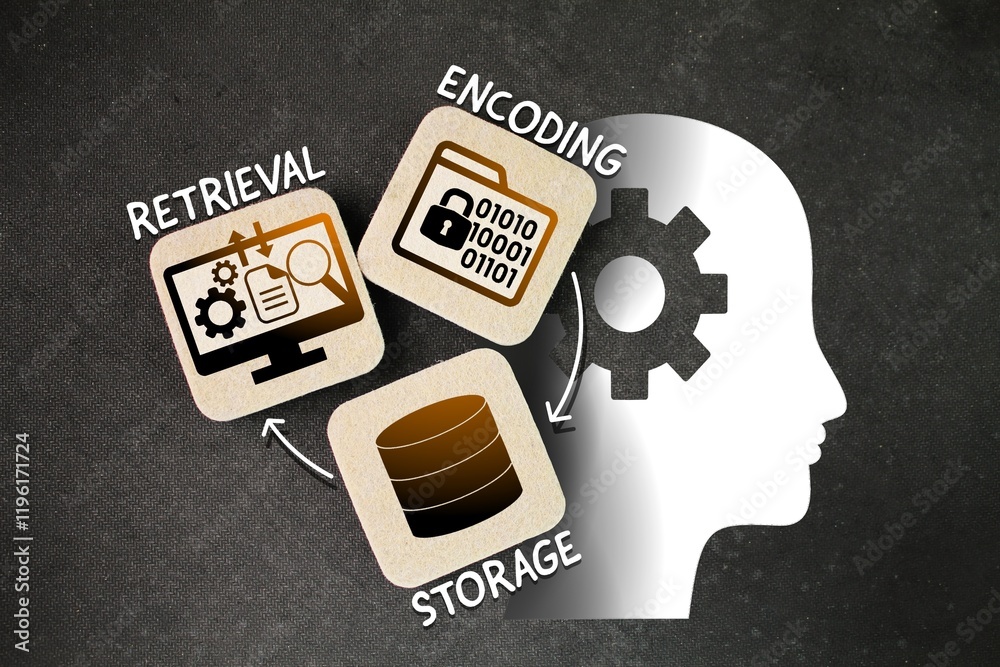
📚 SharePoint Term Store & Term Set Management: The Complete Guide
Read more: 📚 SharePoint Term Store & Term Set Management: The Complete GuideThe Term Store in SharePoint is a centralized metadata management system that helps organize content with consistent taxonomy. It’s essential for:✅ Tagging documents & lists 🏷️✅ Improving search & navigation 🔍✅ Enforcing governance & compliance 🛡️ 🔍 What is the Term Store? The Managed Metadata Service (MMS) stores terms (keywords) in term sets (groups). These…
-

🚀 SharePoint Framework (SPFx): The Modern Developer’s Guide
Read more: 🚀 SharePoint Framework (SPFx): The Modern Developer’s Guide🚀 SharePoint Framework (SPFx): The Modern Developer’s Guide SharePoint Framework (SPFx) is a powerful development model for building custom solutions in SharePoint and Microsoft Teams. Whether you’re creating web parts, extensions, or integrations, SPFx lets you build responsive, modern, and secure experiences using React, TypeScript, and more. 🔍 What is SPFx? SPFx is a client-side…
-

🌐 SharePoint Web Parts: Your Building Blocks for Dynamic Pages 🧩
Read more: 🌐 SharePoint Web Parts: Your Building Blocks for Dynamic Pages 🧩Web parts are the essential components that bring your SharePoint pages to life! Whether you’re creating a team site, intranet, or dashboard, web parts help you display content, integrate apps, and enhance collaboration. Let’s explore how to add, customize, and master SharePoint web parts! � 🔍 What Are SharePoint Web Parts? Web parts are modular…
-

📝 Mastering Content Types in SharePoint: Organize Like a Pro! 🏆
Read more: 📝 Mastering Content Types in SharePoint: Organize Like a Pro! 🏆Content types are the secret sauce 🌶️ to keeping your SharePoint environment clean, consistent, and easy to manage. Whether you’re dealing with documents, lists, or workflows, content types help you standardize metadata, templates, and policies across your organization. Let’s break it down! 🚀 🔍 What Are Content Types? Content types define the structure and behavior…
-

Using RAID Log with Microsoft 365 Content Types
Read more: Using RAID Log with Microsoft 365 Content TypesMicrosoft 365 (formerly SharePoint Online) allows you to create custom content types to standardize and manage RAID logs efficiently. Here’s how you can set it up: Step 1: Create a RAID Log Content Type Step 2: Deploy the RAID Log to a SharePoint List or Library Option A: SharePoint List (Best for Tracking) Option B:…
-
RDP for Windows and Linux
Of course. You’re looking for a way to control a Windows machine remotely with a graphical interface (GUI) over an SSH connection. This is a very common need. The standard Windows Remote Desktop Protocol (RDP) is the most native and performant solution, but using it over SSH adds a powerful layer of security and is…
-
🗃️ Comprehensive Guide to Managing Metadata in SharePoint
🌟 Understanding SharePoint Metadata Metadata is structured information that describes, explains, locates, or makes it easier to retrieve, use, or manage content. In SharePoint, metadata powers: 🛠️ Core Metadata Management Tools 1. Term Store Management The central hub for enterprise taxonomy: 2. Content Types Reusable collections of metadata columns: 3. Site Columns Reusable metadata fields…
-
📚 SharePoint Term Store & Term Set Management: The Complete Guide
The Term Store in SharePoint is a centralized metadata management system that helps organize content with consistent taxonomy. It’s essential for:✅ Tagging documents & lists 🏷️✅ Improving search & navigation 🔍✅ Enforcing governance & compliance 🛡️ 🔍 What is the Term Store? The Managed Metadata Service (MMS) stores terms (keywords) in term sets (groups). These…
-
🚀 SharePoint Framework (SPFx): The Modern Developer’s Guide
🚀 SharePoint Framework (SPFx): The Modern Developer’s Guide SharePoint Framework (SPFx) is a powerful development model for building custom solutions in SharePoint and Microsoft Teams. Whether you’re creating web parts, extensions, or integrations, SPFx lets you build responsive, modern, and secure experiences using React, TypeScript, and more. 🔍 What is SPFx? SPFx is a client-side…
-
🌐 SharePoint Web Parts: Your Building Blocks for Dynamic Pages 🧩
Web parts are the essential components that bring your SharePoint pages to life! Whether you’re creating a team site, intranet, or dashboard, web parts help you display content, integrate apps, and enhance collaboration. Let’s explore how to add, customize, and master SharePoint web parts! � 🔍 What Are SharePoint Web Parts? Web parts are modular…
-
📝 Mastering Content Types in SharePoint: Organize Like a Pro! 🏆
Content types are the secret sauce 🌶️ to keeping your SharePoint environment clean, consistent, and easy to manage. Whether you’re dealing with documents, lists, or workflows, content types help you standardize metadata, templates, and policies across your organization. Let’s break it down! 🚀 🔍 What Are Content Types? Content types define the structure and behavior…
-
Using RAID Log with Microsoft 365 Content Types
Microsoft 365 (formerly SharePoint Online) allows you to create custom content types to standardize and manage RAID logs efficiently. Here’s how you can set it up: Step 1: Create a RAID Log Content Type Step 2: Deploy the RAID Log to a SharePoint List or Library Option A: SharePoint List (Best for Tracking) Option B:…
-

The #1 Best Meal to Protect Your Heart and Support Healthier Arteries (According to an A&E Doctor)
-

Rebellious Bots
-

New Study: A Ketogenic Diet May Reverse Biological Aging in People with Obesity
-

Chios Mastic Gum: A Traditional Resin with Emerging Evidence for Gut Health and Selective Anticancer Activity