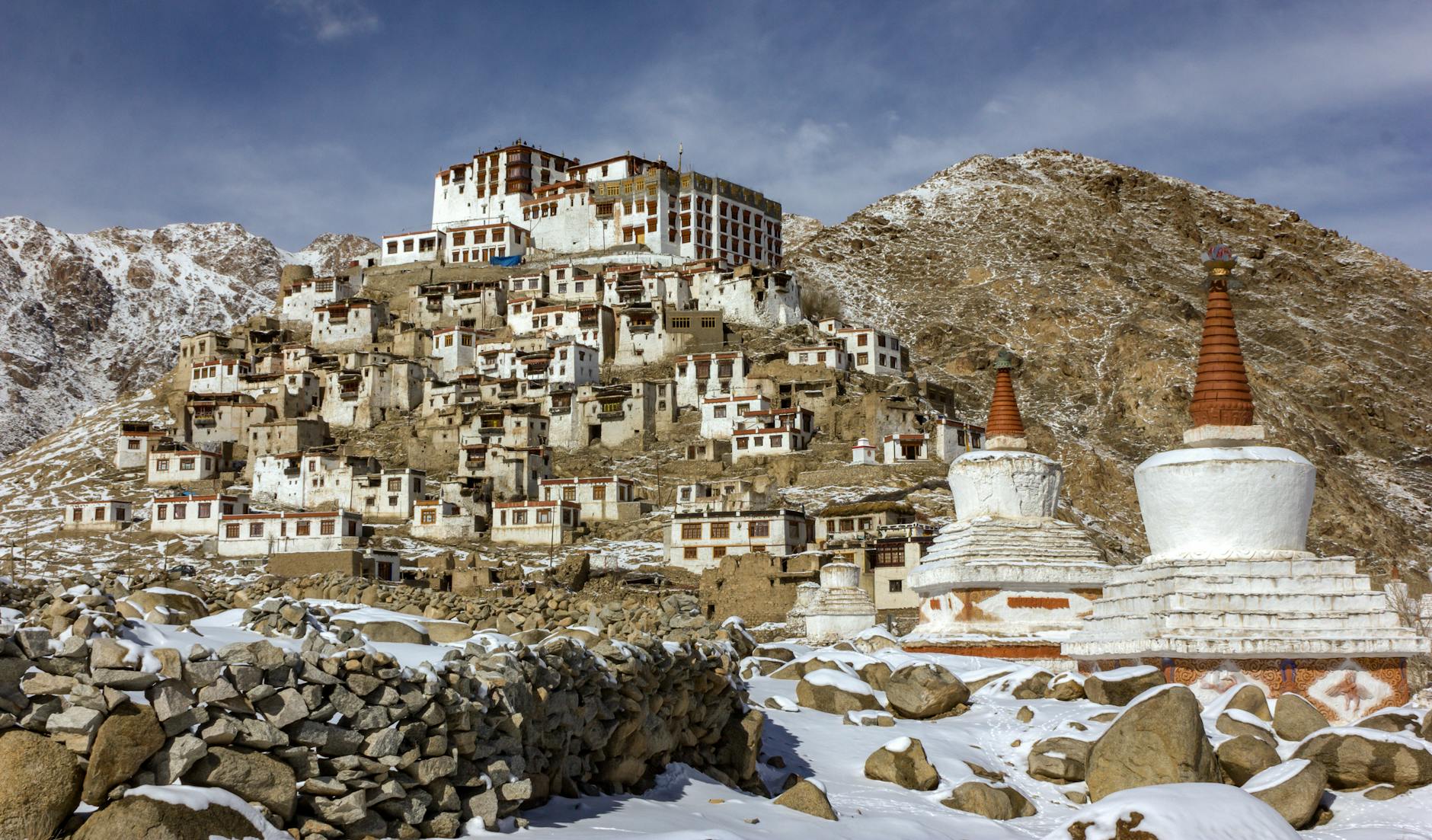
Nestled in the remote mountains of Sichuan Province, China, Larung Gar (also known as the Larung Valley Buddhist Academy) is one of the world’s largest centers for Tibetan Buddhist study and practice. This sprawling monastic city, with its sea of red wooden houses cascading down a steep hillside, has captured the imaginations of photographers, spiritual seekers, and travelers alike.
A Brief History
Larung Gar was founded in 1980 by the influential lama Khenpo Jigme Phuntsok, a revered teacher of the Nyingma tradition of Tibetan Buddhism. His vision was to create a place where monks, nuns, and lay practitioners from all over the Tibetan plateau could receive spiritual education and training without political interference.
From humble beginnings, the institute grew rapidly—attracting tens of thousands of devotees, including not only Tibetans but also Han Chinese, Mongols, and international students. At its height, the population of Larung Gar was estimated at over 40,000.
Spiritual Significance
Larung Gar is unique in that it houses both monks and nuns in large numbers. In fact, it is notable for being one of the few places in Tibetan Buddhism where nuns have access to advanced education and the opportunity to earn the title of khenmo (the female equivalent of a khenpo, or religious scholar).
Daily life in the valley centers around meditation, chanting, scriptural study, and debate. The stark landscape and rigorous lifestyle foster deep contemplation, and many who come to Larung Gar seek not only religious knowledge but also personal transformation.
The Visual Spectacle
One of the most iconic features of Larung Gar is the tightly packed red-colored huts that climb up the mountainsides in all directions. These humble dwellings are home to the monastics and create a mesmerizing visual experience, especially when viewed at dawn or dusk.
Photographers and filmmakers often describe Larung Gar as otherworldly—like a monastic metropolis in the clouds. In winter, the valley is blanketed in snow, creating a stunning contrast with the crimson homes and golden-roofed temples.
Challenges and Restrictions
In recent years, Larung Gar has faced significant government restrictions and demolitions. Since 2016, thousands of homes have been razed and many residents forcibly evicted under the guise of overcrowding and safety regulations. Critics see these moves as part of a broader campaign to suppress Tibetan culture and religion.
Despite these challenges, Larung Gar continues to be a beacon of resilience and spiritual devotion. Many monastics have returned, rebuilt, or relocated nearby, continuing their practice with unwavering dedication.
Visiting Larung Gar
While the Chinese government has placed tight restrictions on foreign visitors, it is sometimes possible to visit Larung Gar with a special permit and a guided tour, especially if you are traveling from Chengdu or nearby Garze (Ganzi) Tibetan Autonomous Prefecture.
Travelers should be respectful of local customs, dress modestly, and be prepared for high altitudes and basic facilities. Photography should be done with sensitivity, especially around religious ceremonies.
Final Thoughts
Larung Gar is not just a place; it’s a living, breathing symbol of Tibetan Buddhist resilience, learning, and devotion. Whether you are a spiritual seeker, a cultural explorer, or a curious traveler, learning about Larung Gar offers profound insights into the intersection of faith, identity, and endurance in modern Tibet.
If you’d like, I can also help you add stunning images or plan a virtual tour-style blog post. Would you like that?
Leave a Reply
You must be logged in to post a comment.