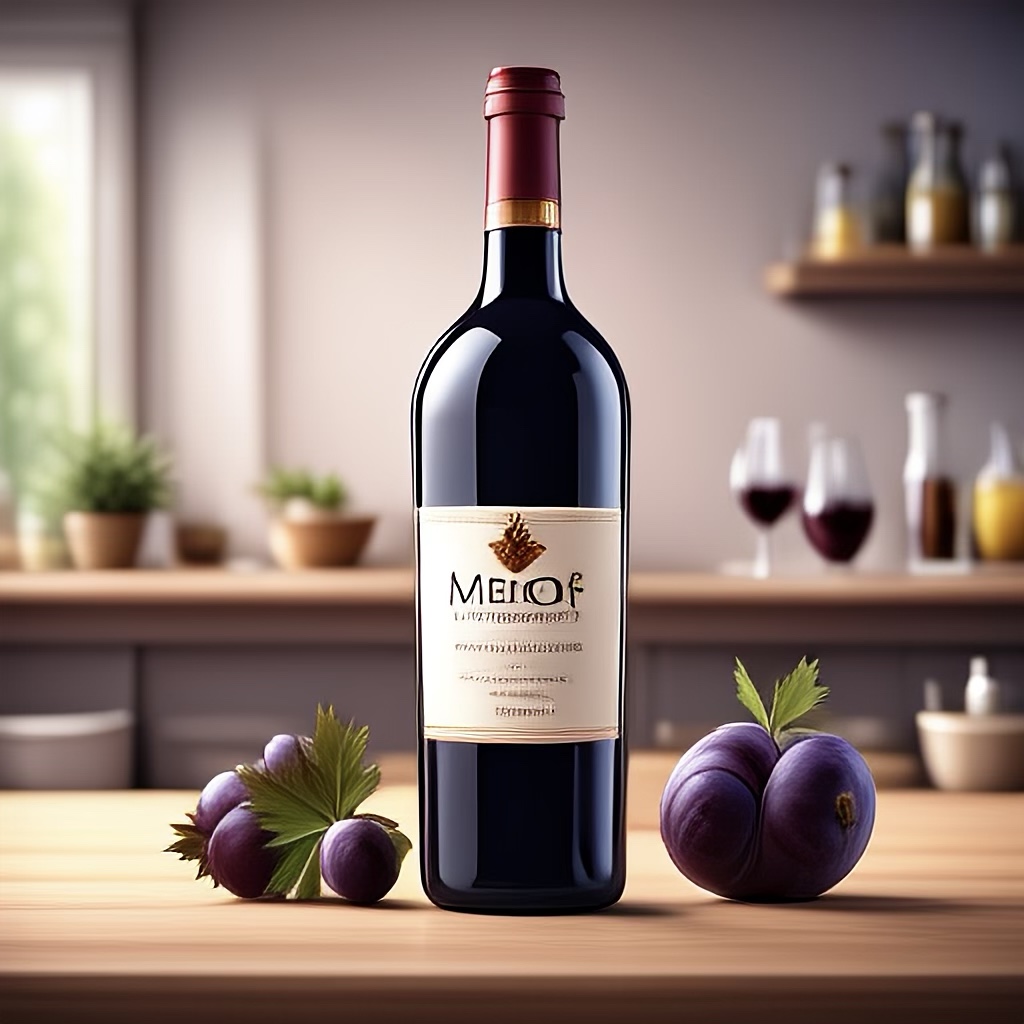
Merlot was once the darling of the wine world—smooth, approachable, and crowd-pleasing. But somewhere along the way, it fell out of favor with serious wine drinkers. What happened? And is Merlot finally making a comeback?
1. The “Sideways” Effect: How a Movie Killed Merlot’s Reputation
In 2004, the film Sideways delivered a brutal blow to Merlot’s image. The main character, Miles, famously rants:
“If anyone orders Merlot, I’m leaving. I am NOT drinking any f—ing Merlot!”
The irony? His most prized bottle—a 1961 Château Cheval Blanc—was actually a Merlot blend. The scene became iconic, and sales of Merlot plummeted while Pinot Noir (Miles’ favorite) soared.
Lesson: Pop culture can shape wine trends more than actual taste.
2. The Dark Side of Popularity: Overproduction & Bad Wine
In the 1990s, Merlot became America’s favorite red wine. But as demand grew, vineyards planted Merlot everywhere—even in unsuitable terroirs—leading to watery, underripe wines with a notorious “green bean” flavor.
Wine critics trashed these mass-produced bottles, and Merlot became synonymous with cheap, generic plonk.
3. Merlot vs. Cabernet: The Underdog Struggle
Merlot has always lived in the shadow of its bolder sibling, Cabernet Sauvignon. While Cabernet is praised for its structure and aging potential, Merlot was dismissed as “too soft” or “simple.”
But here’s the twist: Some of the world’s most expensive wines (like Pétrus, which can cost thousands per bottle) are 100% Merlot. The grape can be incredibly complex—when treated right.
4. The Comeback: Why Merlot Deserves a Second Chance
Today, winemakers are reclaiming Merlot’s reputation by focusing on:
- Small-batch, high-quality production (e.g., Washington State’s Leonetti Cellar)
- Old-world elegance (like Bordeaux’s Château Le Pin)
- Bold New World styles (California’s Duckhorn Three Palms)
Sommeliers are now championing Merlot as a versatile, food-friendly wine that offers velvety texture, ripe plum flavors, and balanced tannins.
Final Verdict: Should You Drink Merlot?
✅ Yes, if… You want a smooth, approachable red or are exploring high-end Bordeaux.
❌ No, if… You’re still stuck in 2004 and take wine advice from fictional characters.
Pro Tip: Try a Pomerol (Bordeaux) or a Washington State Merlot—you might just fall in love.
Leave a Reply
You must be logged in to post a comment.