That’s an excellent and very common question. The short answer is:
While pumpkin seeds have some properties that can help expel certain intestinal worms, they are not a reliable way to prevent an infection in the first place. They are better thought of as a traditional remedy that may have a supporting role in treatment, not prevention.
Here’s a more detailed breakdown.
How Pumpkin Seeds Work Against Worms
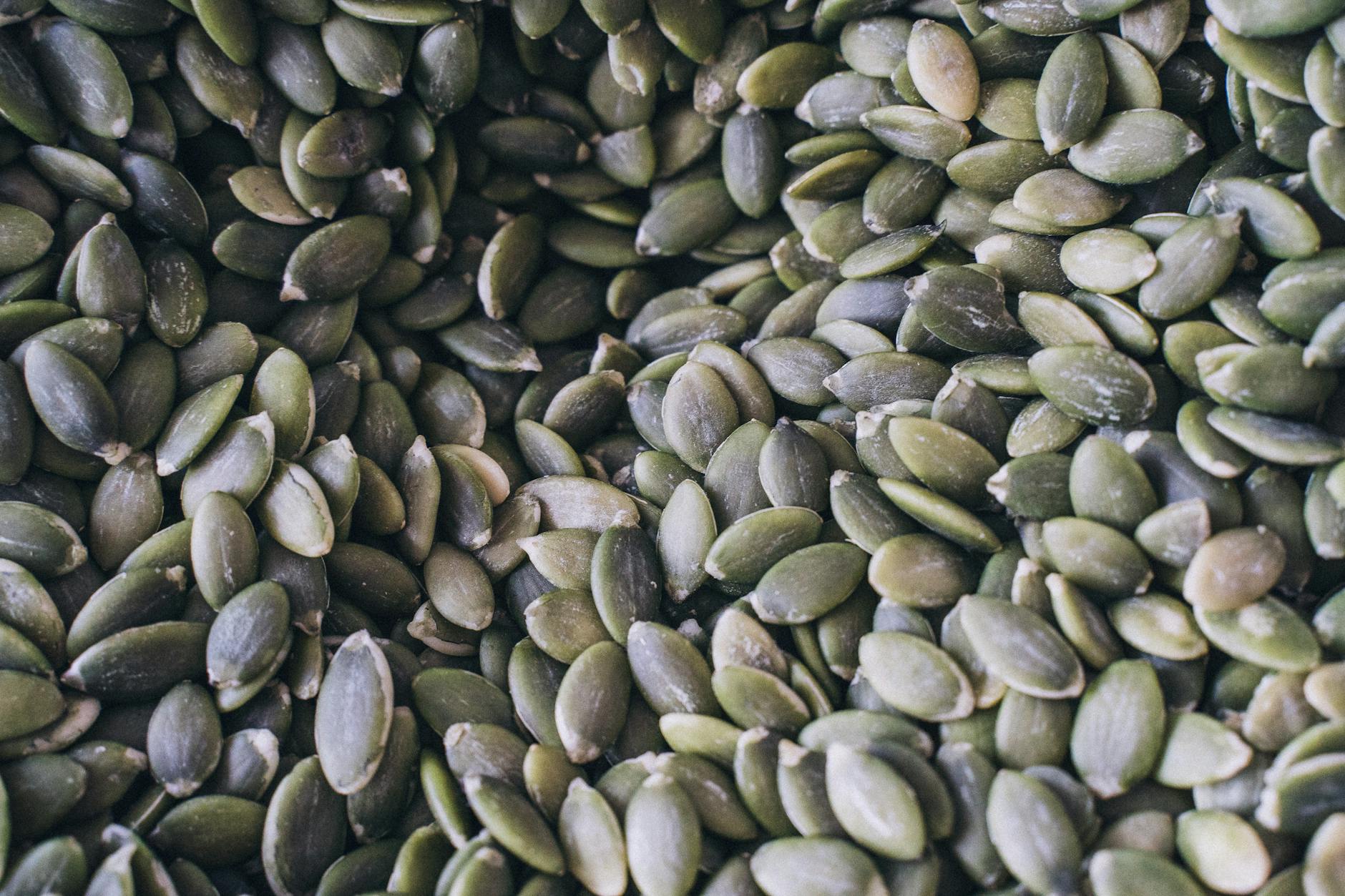
The idea isn’t a myth; it has a scientific basis. Pumpkin seeds (especially the raw, shelled “pepitas”) contain a compound called cucurbitacin.
- Paralyzing Effect: Cucurbitacin has the ability to paralyze parasites like tapeworms and roundworms, making it difficult for them to hold on to the intestinal walls.
- Expulsion: Once paralyzed, the worms are then passed out of the body through the stool.
This is why pumpkin seeds are often featured in traditional or complementary deworming protocols, sometimes combined with other laxatives-like foods or supplements to help flush the system.
Why They Are Not Effective for Prevention
- Dosage and Timing: For a preventive effect, you would need to consume a consistent, likely large, amount of seeds daily. There is no established scientific evidence for what a “preventive” dose would be, or if it’s even possible.
- The Nature of Infection: Worm infections occur when you ingest worm eggs or larvae (e.g., from contaminated soil, food, water, or contact with infected animals or feces). Preventing an infection means stopping the parasite from establishing itself in your intestines. A few seeds eaten daily are very unlikely to create an environment that is hostile to all potential invaders.
- Lack of Scientific Evidence: While some studies show pumpkin seed extracts can be as effective as some antiparasitic drugs in treating infections in animals and humans, there are no rigorous clinical trials proving they work as a preventive measure in people.
Effective Ways to PREVENT Worm Infections
Prevention is always better than treatment. The most reliable ways to avoid intestinal worms are through good hygiene and food safety practices:
- Wash Your Hands Thoroughly: This is the single most important step. Always wash with soap and water after using the toilet, before handling food, after gardening, and after playing with or cleaning up after pets.
- Wash Fruits and Vegetables: Always wash them well, especially if eaten raw. Soaking in vinegar water can provide extra assurance.
- Cook Meat Thoroughly: Cook meat, especially pork, beef, and fish, to safe internal temperatures to kill any parasite larvae.
- Drink Safe Water: When traveling or in areas with questionable water quality, drink only bottled or properly boiled/filtered water.
- Practice Good Pet Care: Deworm your pets regularly as recommended by a veterinarian and dispose of their feces promptly.
When to See a Doctor
If you suspect you or a family member has a worm infection (symptoms can include stomach pain, diarrhea, nausea, gas, bloating, fatigue, or seeing worms in stool), it is crucial to consult a doctor.
- Accurate Diagnosis: A doctor can perform a stool test to identify the specific type of worm, which is essential for effective treatment.
- Proven Medications: Doctors can prescribe safe and highly effective anti-parasitic medications (like albendazole or mebendazole) that target the specific parasite.
The Bottom Line
Think of pumpkin seeds as a healthy snack with some potential anti-parasitic properties, not a shield against worms.
- For Prevention: Rely on excellent hygiene and food safety practices.
- For Treatment: If you have an infection, see a doctor for proven medication. You can discuss the use of pumpkin seeds as a complementary approach, but do not use them as a substitute for professional medical treatment.
Disclaimer: This information is for educational purposes only and is not a substitute for professional medical advice. Always consult with a healthcare provider for any health concerns or before starting any new treatment.
Leave a Reply
You must be logged in to post a comment.