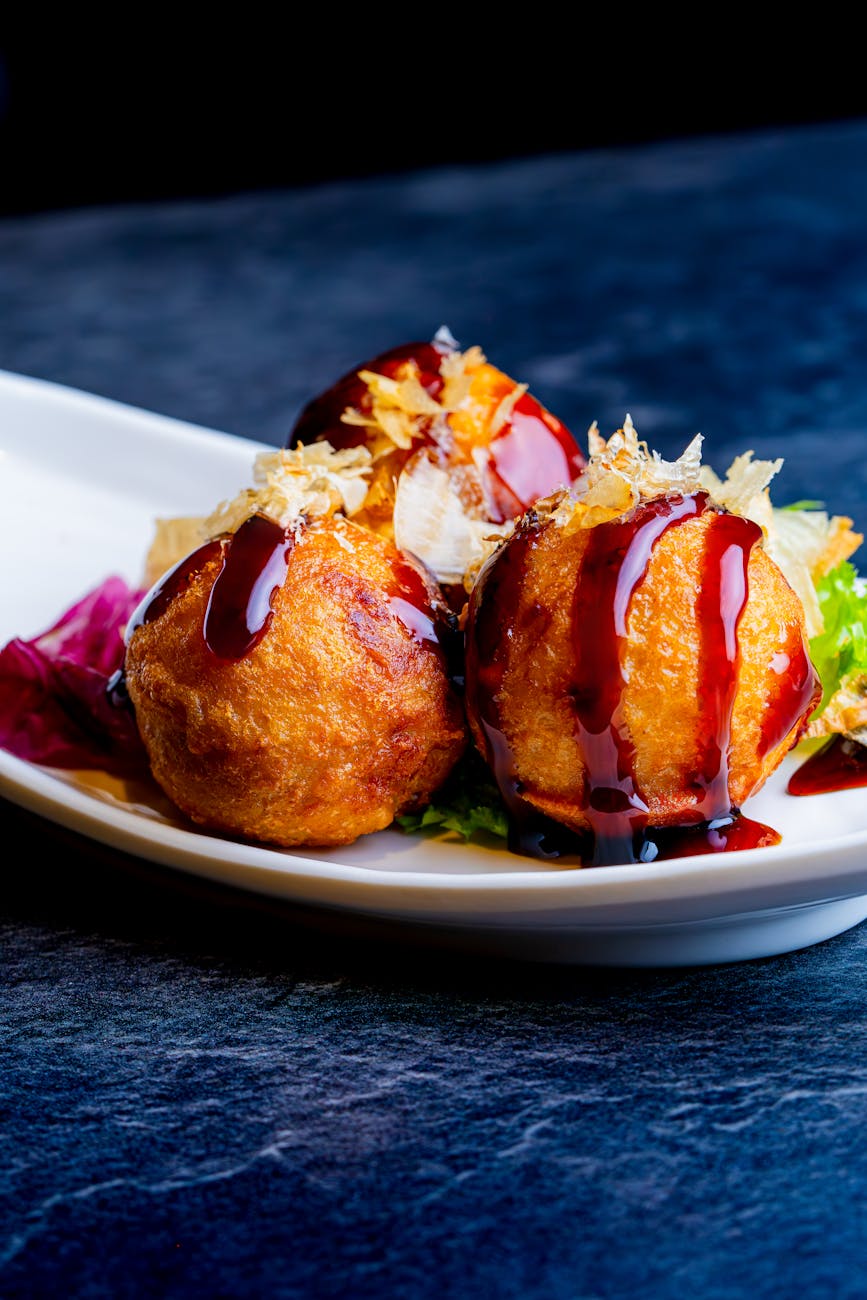
is a fascinating, intricate, and traditional art form. It’s one of the most intensive methods of fish preservation in the world, resulting in an incredibly hard, wood-like block that is then shaved into the flakes we know.
The entire process transforms the fresh, perishable fish into a shelf-stable, umami-rich ingredient through drying, smoking, and fermentation.
Here is a step-by-step breakdown of the traditional katsuobushi curing process.
Overview of the Stages:
The process can be broken down into five main stages, with the most traditional method involving an extra, optional fermentation stage.
- Prepping the Fillets (
- Simmering (
- Smoking & Drying (
- Sun-Drying (
- Mold Fermentation (
The Detailed Curing Process
- Selection and Preparation
· Fish Used: Skipjack tuna (Katsuwonus pelamis), known as katsuo in Japanese.
· Butchering: The fish is first beheaded, gutted, and cleaned. It is then split along the spine into four fillets: two upper (back) fillets and two lower (belly) fillets. The belly fillets are thinner and have a higher fat content.
· Arranging in a Basket: The fillets are arranged in a special basket called a kago to help them hold their shape during the next stage.
- Simmering
· The fillets, still in their baskets, are carefully simmered in a large vat of water at about 75-95°C (167-203°F) for 60 to 90 minutes.
· Purpose: This step cooks the meat, kills bacteria and enzymes, and sets the protein, making the fillets firm enough for the subsequent stages. It also renders out a significant amount of the fat.
· After simmering, the bones (especially the small pin bones) are carefully removed by hand.
- Smoking and Drying
· The fillets are then placed in a smoking chamber or kiln. They are smoked using hardwoods like oak, pasania, or cherry wood.
· This is not a short process. The fillets are smoked at a low temperature for 5 to 6 hours per day.
· This cycle is repeated for 5 to 30+ days.
· Each day, after smoking, the fillets are removed and left to cool and air-dry overnight.
· The moisture content drops from about 70% to around 35-40%.
· At the end of this stage, the product is called Arabushi or “rough bonito.” This is the base form of katsuobushi and can already be shaved and used to make dashi, though its flavor is less refined.
- Sun-Drying / Shaping
· The arabushi blocks are then taken outside to sun-dry for several days. This further reduces moisture.
· During this time, the surfaces are also scraped and shaved to remove any residual tar or soot from smoking and to shape the block into its classic, smooth, wooden-looking form.
The Optional, Pinnacle Stage: Mold Fermentation
To create the highest grade of katsuobushi, known as Karebushi, the arabushi undergoes a fermentation process with a specific mold.
- The Mold Inoculation Process
- Inoculation: The dried arabushi blocks are placed in a closed, humidified culture room. They are intentionally inoculated with a beneficial mold, most commonly Aspergillus glaucus.
- First Mold Growth: The mold grows on the surface of the block for about 1-2 weeks, drawing out the remaining internal moisture and breaking down residual fats and proteins. This intensifies the umami flavor and reduces any fishy or smoky harshness.
- Sun-Drying & Scraping: The blocks are then removed from the room and sun-dried again to kill the mold. Once dry, the mold layer is carefully scraped off.
- Repetition: This entire cycle of inoculation, drying, and scraping is repeated 2 to 4 times. With each cycle, the block becomes harder, denser, and its flavor more profound and complex.
- Final Product: After multiple cycles, the block is rock-hard, has a beautiful polished appearance, and is now called Karebushi.
The Final Step: Shaving
The finished katsuobushi block (whether arabushi or karebushi) is far too hard to eat or cook with as-is. It must be shaved into thin flakes, which is done using a special planer called a katsuobushi kezuriki.
· Thicker flakes (Kezuribushi) are used for making dashi, as they have more surface area to extract flavor.
· Finer flakes (Hanakatsuo) are used as a topping for dishes like takoyaki, okonomiyaki, or cold tofu.
Summary of the Two Main Types:
· Arabushi: The base form, only smoked and dried. It has a stronger, smokier, and more direct flavor. It’s less expensive.
· Karebushi: The premium form, made by mold-fermenting arabushi. It has a more refined, complex, and less fishy umami flavor, and produces a clearer, more elegant dashi. It is significantly more expensive due to the extra labor and time involved.
This meticulous, multi-stage process is what gives katsuobushi its incredible shelf life and its powerful, unique flavor that is essential to the taste of Japan.
Leave a Reply
You must be logged in to post a comment.