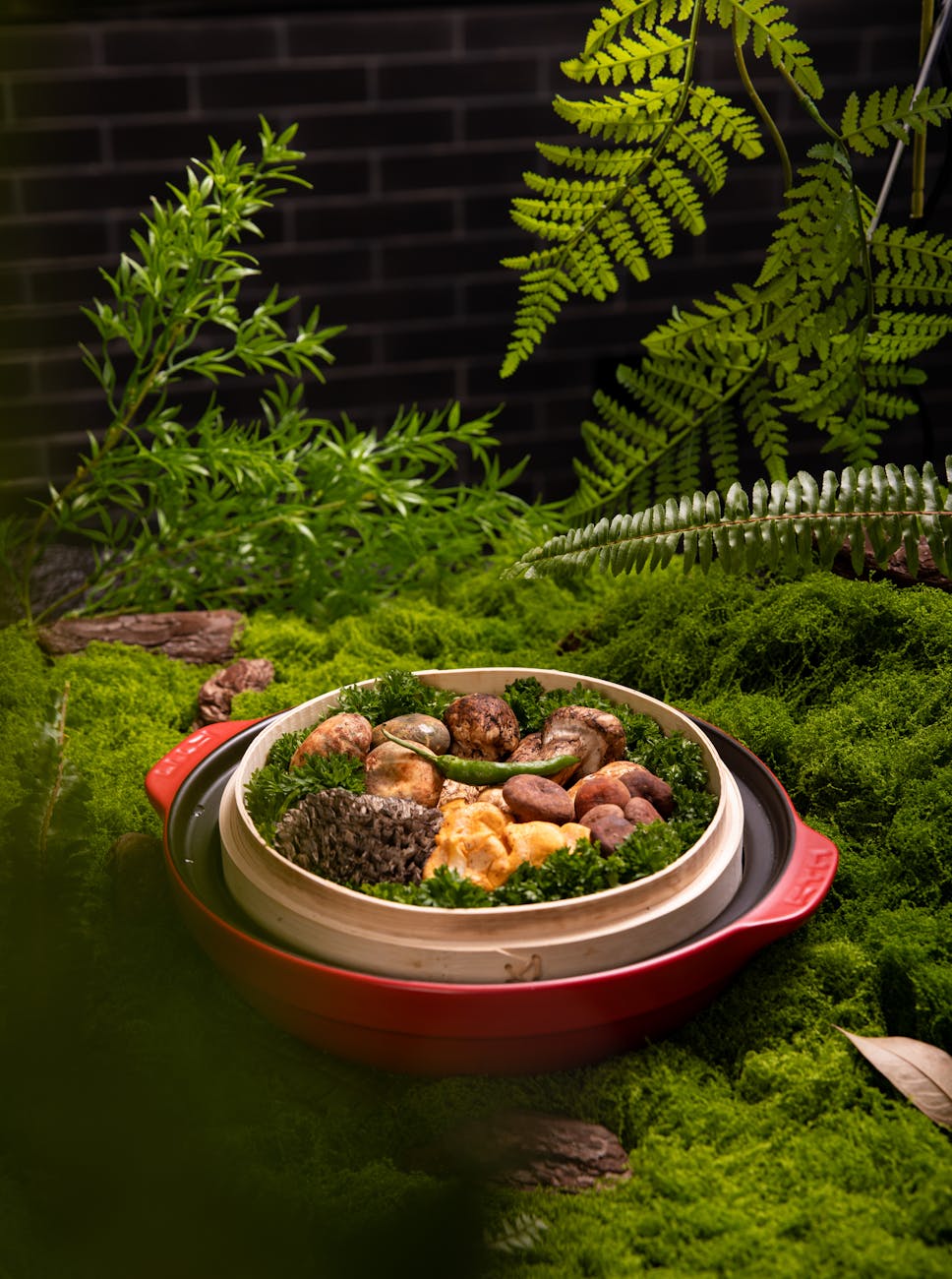
Of course! The role of shiitake mushrooms, particularly dried shiitake mushrooms, is absolutely fundamental in creating a rich, complex, and deeply savory foundation in cooking, especially within Asian cuisines. They are a powerhouse of umami in their own right.
When we place them in the context of the “kombo bonito” duo, their role becomes even more fascinating.
The Primary Role: Umami Powerhouse
The single most important role of the shiitake mushroom is to contribute a massive dose of umami, the fifth taste of savoriness.
· The Key Compound: Dried shiitake mushrooms are incredibly rich in guanylic acid, a type of nucleotide that is a primary source of umami.
· The Drying Effect: The process of drying shiitake mushrooms dramatically increases their umami content. It breaks down proteins into free amino acids and converts ergosterol into vitamin D, enhancing their flavor profile far beyond that of fresh shiitake.
Shiitake in Relation to Kombu and Bonito: The Umami Trinity
When you combine shiitake with kombu and bonito, you create what is often called the “Umami Trinity.” Each one brings a different type of umami compound to the table, and they work in powerful synergy.
Ingredient Primary Umami Compound Flavor Profile Contributed
Kombu (Kelp) Glutamic Acid A smooth, sweet, and oceanic savoriness.
Katsuobushi (Bonito) Inosinic Acid A sharp, smoky, and meaty savoriness.
Shiitake (Mushroom) Guanylic Acid A deep, earthy, and robust savoriness (almost like concentrated meat stock).
The Synergy Effect:
The magic happens when you combine them. Glutamic acid from kombu (and also present in shiitake) multiplies the umami intensity of both inosinic acid (bonito) and guanylic acid (shiitake). The resulting broth is not just the sum of its parts; it’s exponentially more flavorful, complex, and satisfying.
Specific Culinary Roles and Applications
- In Dashi (Japanese Stock)
While the classic dashi is made from just kombu and bonito, a popular variation called Vegetarian Dashi or Vegan Dashi relies on shiitake and kombu.
· Recipe: Dried shiitake mushrooms and a piece of kombu are soaked together in cold water for several hours (or overnight in the fridge). The resulting broth is a profoundly savory, completely plant-based stock that forms the base for vegetarian miso soup, simmered dishes, and sauces.
- In Stocks and Soups (Chinese & Pan-Asian Cuisine)
Shiitake mushrooms are a non-negotiable ingredient in many Chinese stocks and soups.
· They are added to broths for noodle soups, hot pots, and braises to build a deep, meaty backbone, even in dishes without meat.
- As a Flavor Amplifier in Braises and Sauces
The rehydrating liquid from dried shiitake mushrooms, known as shiitake dashi or soaking water, is liquid gold.
· Do Not Discard It! This dark, aromatic liquid is packed with flavor and is used to enhance stir-fry sauces, marinades, braising liquids, and gravies. It adds a layer of savoriness that soy sauce alone cannot achieve.
- The Mushrooms Themselves as an Ingredient
After being rehydrated and used for stock, the softened mushrooms are far from waste.
· They can be sliced and added to soups, stir-fries, fried rice, or dumpling fillings.
· They can be simmered in a mix of soy sauce, mirin, and sugar to make a delicious side dish.
Quick Recipe: Vegan Umami Dashi (Kombu & Shiitake Dashi)
This is the ultimate way to experience the role of shiitake mushrooms in creating a deep, savory base.
Ingredients:
· 1 liter (4 cups) cold water
· One 10cm (4-inch) piece of dried kombu
· 4-5 large dried shiitake mushrooms
Instructions:
- Cold Brew Method (Best for clear, refined dashi): Place the kombu and shiitake mushrooms in a jar or bowl with the cold water. Cover and let it steep in the refrigerator for 8-12 hours (or overnight).
- Hot Method (Faster): Place the kombu and shiitake in a pot with the water. Heat over medium-low heat until it just barely comes to a simmer. Immediately remove from heat, take out the kombu (to prevent sliminess), and let the shiitake steep for another 15-20 minutes.
- Strain: Remove the kombu (if not already removed) and shiitake mushrooms. Reserve the mushrooms for cooking.
- Use: Your rich, vegan dashi is ready! Use it as a base for miso soup, ramen, or to cook grains like rice or quinoa for an extra flavor boost.
In summary, the role of the shiitake mushroom is to be a foundational source of earthy, robust umami. It can stand alone to create vegan stocks or join forces with kombu and bonito to create an unparalleled depth of flavor that is the hallmark of sophisticated, savory cooking.
When we place them in the context of the “kombo bonito” duo, their role becomes even more fascinating.
The Primary Role: Umami Powerhouse
The single most important role of the shiitake mushroom is to contribute a massive dose of umami, the fifth taste of savoriness.
· The Key Compound: Dried shiitake mushrooms are incredibly rich in guanylic acid, a type of nucleotide that is a primary source of umami.
· The Drying Effect: The process of drying shiitake mushrooms dramatically increases their umami content. It breaks down proteins into free amino acids and converts ergosterol into vitamin D, enhancing their flavor profile far beyond that of fresh shiitake.
Shiitake in Relation to Kombu and Bonito: The Umami Trinity
When you combine shiitake with kombu and bonito, you create what is often called the “Umami Trinity.” Each one brings a different type of umami compound to the table, and they work in powerful synergy.
Ingredient Primary Umami Compound Flavor Profile Contributed
Kombu (Kelp) Glutamic Acid A smooth, sweet, and oceanic savoriness.
Katsuobushi (Bonito) Inosinic Acid A sharp, smoky, and meaty savoriness.
Shiitake (Mushroom) Guanylic Acid A deep, earthy, and robust savoriness (almost like concentrated meat stock).
The Synergy Effect:
The magic happens when you combine them. Glutamic acid from kombu (and also present in shiitake) multiplies the umami intensity of both inosinic acid (bonito) and guanylic acid (shiitake). The resulting broth is not just the sum of its parts; it’s exponentially more flavorful, complex, and satisfying.
Specific Culinary Roles and Applications
- In Dashi (Japanese Stock)
While the classic dashi is made from just kombu and bonito, a popular variation called Vegetarian Dashi or Vegan Dashi relies on shiitake and kombu.
· Recipe: Dried shiitake mushrooms and a piece of kombu are soaked together in cold water for several hours (or overnight in the fridge). The resulting broth is a profoundly savory, completely plant-based stock that forms the base for vegetarian miso soup, simmered dishes, and sauces.
- In Stocks and Soups (Chinese & Pan-Asian Cuisine)
Shiitake mushrooms are a non-negotiable ingredient in many Chinese stocks and soups.
· They are added to broths for noodle soups, hot pots, and braises to build a deep, meaty backbone, even in dishes without meat.
- As a Flavor Amplifier in Braises and Sauces
The rehydrating liquid from dried shiitake mushrooms, known as shiitake dashi or soaking water, is liquid gold.
· Do Not Discard It! This dark, aromatic liquid is packed with flavor and is used to enhance stir-fry sauces, marinades, braising liquids, and gravies. It adds a layer of savoriness that soy sauce alone cannot achieve.
- The Mushrooms Themselves as an Ingredient
After being rehydrated and used for stock, the softened mushrooms are far from waste.
· They can be sliced and added to soups, stir-fries, fried rice, or dumpling fillings.
· They can be simmered in a mix of soy sauce, mirin, and sugar to make a delicious side dish.
Quick Recipe: Vegan Umami Dashi (Kombu & Shiitake Dashi)
This is the ultimate way to experience the role of shiitake mushrooms in creating a deep, savory base.
Ingredients:
· 1 liter (4 cups) cold water
· One 10cm (4-inch) piece of dried kombu
· 4-5 large dried shiitake mushrooms
Instructions:
- Cold Brew Method (Best for clear, refined dashi): Place the kombu and shiitake mushrooms in a jar or bowl with the cold water. Cover and let it steep in the refrigerator for 8-12 hours (or overnight).
- Hot Method (Faster): Place the kombu and shiitake in a pot with the water. Heat over medium-low heat until it just barely comes to a simmer. Immediately remove from heat, take out the kombu (to prevent sliminess), and let the shiitake steep for another 15-20 minutes.
- Strain: Remove the kombu (if not already removed) and shiitake mushrooms. Reserve the mushrooms for cooking.
- Use: Your rich, vegan dashi is ready! Use it as a base for miso soup, ramen, or to cook grains like rice or quinoa for an extra flavor boost.
In summary, the role of the shiitake mushroom is to be a foundational source of earthy, robust umami. It can stand alone to create vegan stocks or join forces with kombu and bonito to create an unparalleled depth of flavor that is the hallmark of sophisticated, savory cooking.
Leave a Reply
You must be logged in to post a comment.