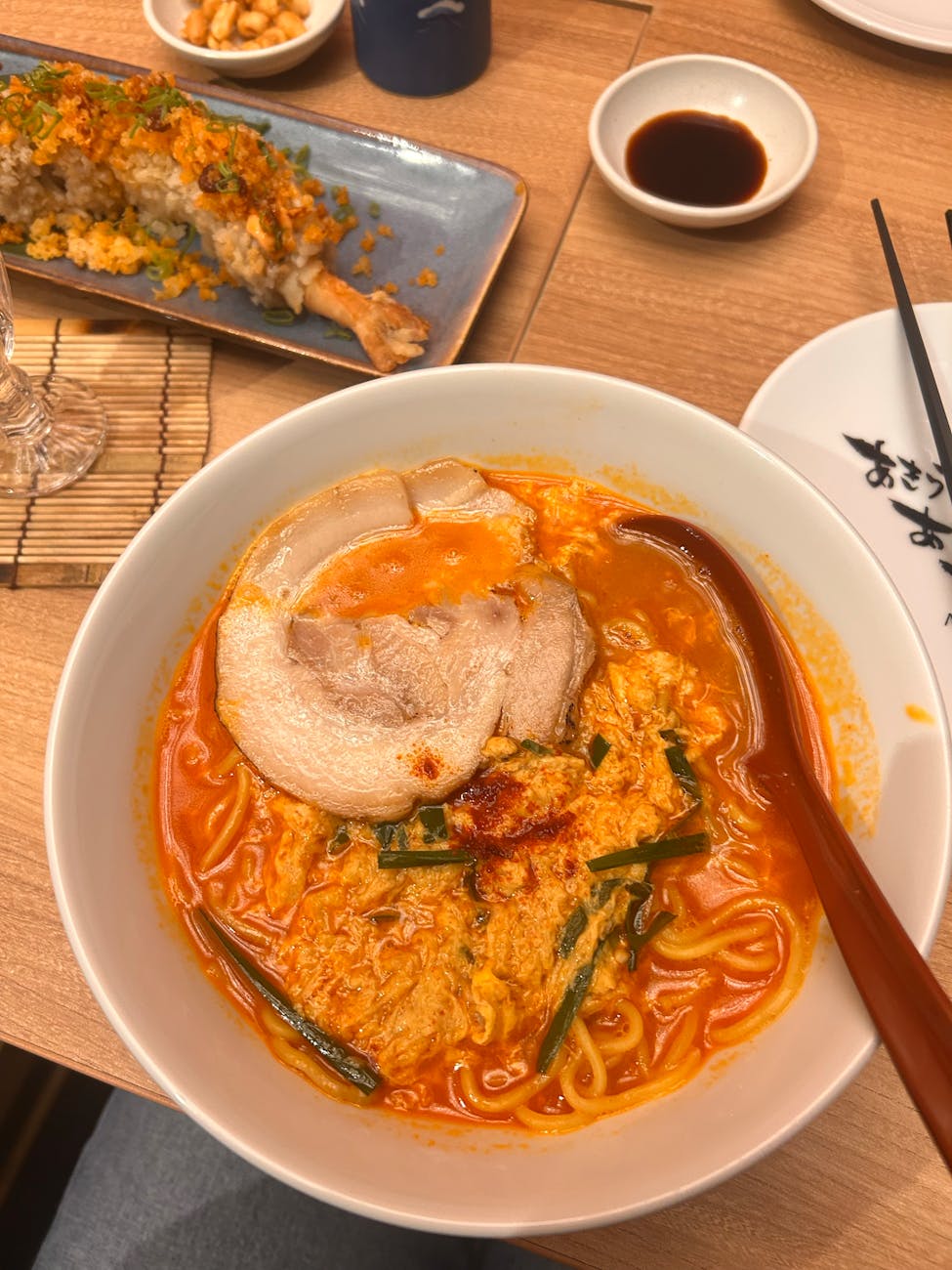
While not a clinical addiction, a deep love and reliance on dashi is a common and wonderful “affliction” among cooks and food lovers. It’s the kind of addiction that makes your food immeasurably better.
Let’s break down why dashi is so incredibly compelling and “addictive.”
Dashi is essentially liquid umami. Our taste buds are hardwired to find umami deeply satisfying because it signals the presence of proteins and amino acids, which are essential for our bodies.
· The Synergy Effect: As we’ve discussed, the combination of glutamates (kombu) and nucleotides (katsuobushi, shiitake) creates a flavor impact dozens of times stronger than any one alone. This triggers a powerful pleasurable response in the brain.
· The Flavor Foundation: Dashi doesn’t overpower; it enhances. It makes other ingredients taste more like themselves. A soup, a sauce, or a braise made with dashi has a profound depth and roundness that you can’t quite pin down, but you deeply miss when it’s gone. This creates a craving for that specific quality of savoriness.
Symptoms of “Dashi Addiction”
You might be “addicted” to dashi if you:
- Find yourself adding a splash of dashi to everything: Scrambled eggs, pasta water, gravy, canned soup—it all gets a boost.
- Your miso soup tastes “flat” if you make it with just water or plain stock.
- You get genuinely excited about seeing a pot of dashi brewing on your stove.
- You travel with instant dashi packets because you can’t trust the local hot water to make a decent cup of soup.
- You catch yourself sipping plain, hot dashi from a mug like tea, just for the comfort and warmth.
- You view other cuisines through the lens of dashi, wondering, “What’s their umami base?” (e.g., French demi-glace, Chinese chicken stock, Mexican caldo de res).
How to Feed Your “Addiction”: Next-Level Dashi Use
If you’re hooked, lean into it! Here are ways to incorporate dashi even more into your cooking:
· Cook Grains in It: Replace the water when cooking rice, quinoa, or farro with dashi. Your plain side dish becomes a flavor-packed star.
· The Ultimate Scrambled Eggs: Whisk a tablespoon of dashi into your eggs before scrambling. They will be incredibly tender, fluffy, and savory.
· Dashi-Based Pan Sauces: After searing chicken or fish, deglaze the pan with dashi instead of wine or broth. Reduce it, mount it with a little butter, and you have an incredible, light sauce.
· Dashi for Dipping: Mix dashi with a little soy sauce, mirin, and rice vinegar for a phenomenal dipping sauce for dumplings, tempura, or grilled vegetables.
· Dashi Sipping Broth: Make a simple, clear broth for sipping. Heat dashi with a tiny pinch of salt and a slice of ginger or yuzu peel. It’s the ultimate healthy, comforting drink.
A Word on Instant Dashi
The “gateway drug” to dashi addiction is often instant dashi granules (like Hondashi). They are convenient and tasty, but think of them as the fast food of the dashi world.
· Pros: Incredibly fast, convenient, and shelf-stable.
· Cons: Often contains MSG, salt, and other additives. The flavor, while good, lacks the subtlety, clarity, and depth of freshly made dashi.
Once you’re “hooked” on instant, the natural next step is to try making it from scratch. The difference in flavor is like comparing freshly squeezed orange juice to a powdered drink mix. It’s a revelation that deepens the “addiction.”
So, embrace your dashi addiction! It’s a sign that you have developed a palate for one of the most elegant and fundamental flavors in the culinary world. It’s not a problem; it’s a superpower for your kitchen.
Leave a Reply
You must be logged in to post a comment.