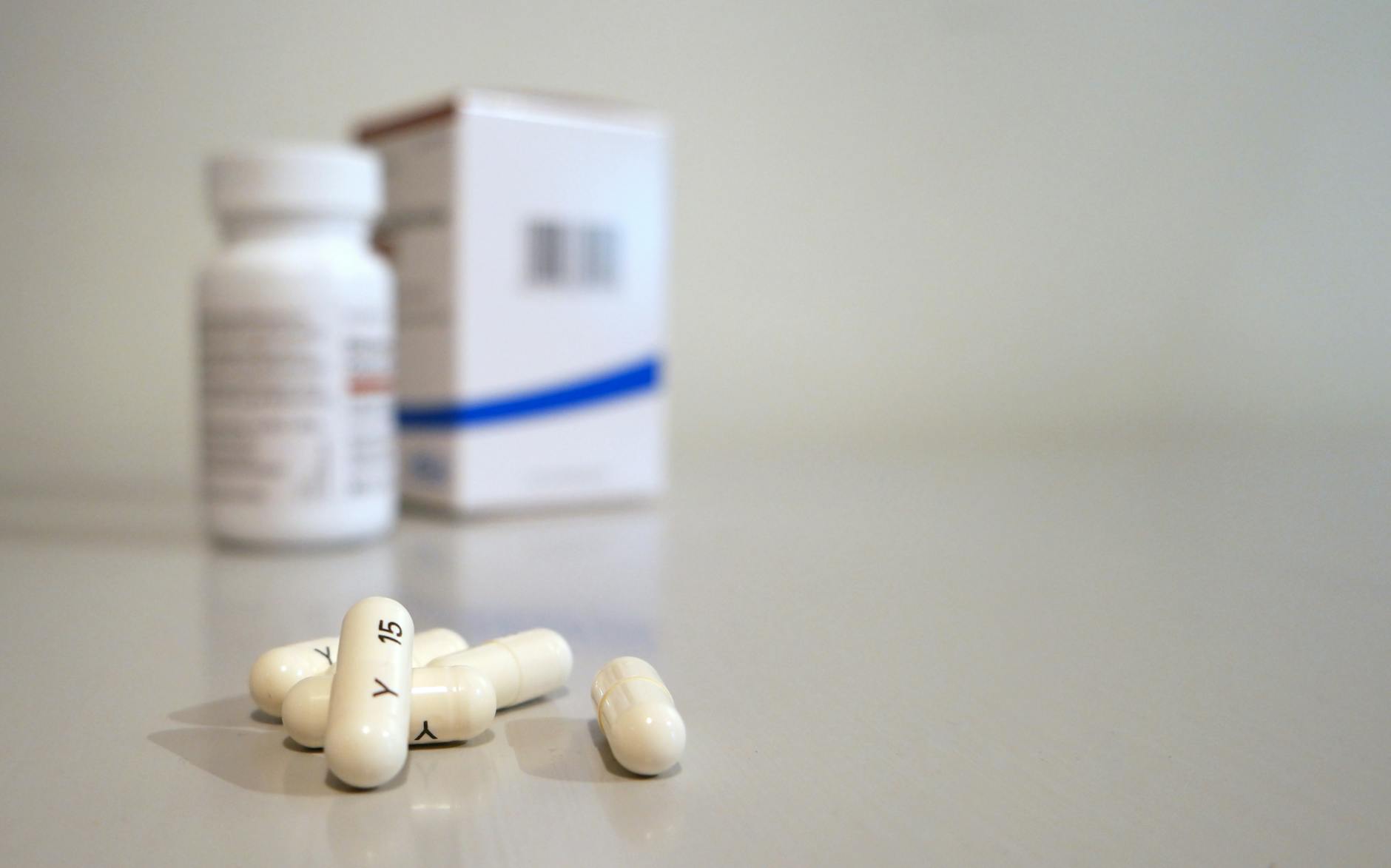
If you’re among the millions of people taking a statin medication to manage your cholesterol, you’ve taken a powerful step to protect your heart health. Statins are incredibly effective at what they do: lowering “bad” LDL cholesterol and reducing the risk of heart attacks and strokes.
But what if this life-saving medication was quietly depleting a critical compound your body needs for energy? This isn’t a myth; it’s a well-understood biochemical side effect. The missing piece of the puzzle is a molecule called Coenzyme Q10, or CoQ10.
Let’s break down why supplementing with CoQ10 isn’t just a wellness trend—it’s a strategic move for anyone on statin therapy.
First, Meet the Players: Statins and CoQ10
What are Statins?
Drugs like atorvastatin (Lipitor), simvastatin (Zocor), and rosuvastatin (Crestor) work by blocking an enzyme in your liver called HMG-CoA reductase. This enzyme is the key factory for producing cholesterol. By inhibiting it, statins successfully lower your cholesterol levels.
What is CoQ10?
Coenzyme Q10 is a vitamin-like substance found in every cell of your body. Its most crucial job is to act as a spark plug in the tiny power plants within your cells, called mitochondria. Without CoQ10, your mitochondria cannot produce ATP (Adenosine Triphosphate), which is the fundamental currency of energy that powers everything you do—from thinking to walking to making your heart beat.
The Collision Course: How Statins Deplete CoQ10
Here’s the critical connection that often gets overlooked: the same liver enzyme that statins block to reduce cholesterol (HMG-CoA reductase) is also essential for the body’s natural production of CoQ10.
It’s like shutting down a single road that leads to two different vital destinations. By slowing the production line for cholesterol, statins inadvertently also slow the production line for CoQ10.
Studies have consistently shown that statin therapy can reduce blood levels of CoQ10 by up to 40%. This depletion isn’t just a number on a lab test; it has real-world consequences for your cellular energy.
The Domino Effect: Low CoQ10 = Low ATP = Fatigue & More
When your CoQ10 levels drop, the energy production line in your mitochondria becomes less efficient. The result? Lower ATP production.
This cellular energy crisis often manifests as:
- Statin-Associated Muscle Symptoms (SAMS): This is the most common complaint. It can range from general fatigue, weakness, and tiredness to noticeable muscle aches, pains, and cramps. It’s not that the statin is directly toxic to the muscles; it’s that the muscle cells, which are energy-hungry, are being starved of the CoQ10 they need to make energy.
- Generalized Fatigue: That “run-down” feeling isn’t all in your head. If your cells can’t generate optimal ATP, your entire body feels the drain.
- Potential Impact on Heart Function: Your heart is the most energy-demanding muscle in your body, beating over 100,000 times a day. It requires a massive and constant supply of ATP. Depleting its primary fuel catalyst, CoQ10, is a significant stressor that, while still being studied, is a concern for many cardiologists.
The Solution: Replenishing with CoQ10 Supplements
The logic is simple: if the medication is depleting a vital compound, the most direct solution is to replenish it. Taking a CoQ10 supplement can help restore your body’s levels, supporting your mitochondria and keeping the ATP production line running smoothly.
The benefits for statin users can include:
- Reduction in Muscle Pain and Weakness: Multiple studies have shown that CoQ10 supplementation can significantly improve statin-related muscle symptoms.
- Improved Energy Levels: By supporting mitochondrial function, you support your body’s overall energy.
- A Dual-Action Heart Support: You get the cholesterol-lowering benefit of the statin plus the direct cellular energy support for your heart muscle from CoQ10.
What to Look For in a CoQ10 Supplement
If you’re considering a supplement, here’s a quick guide:
- Form: Look for Ubiquinol, the active, antioxidant form of CoQ10. It’s more easily absorbed by the body, especially as we age. Ubiquinone is the oxidized form and is also effective, but ubiquinol is often recommended for better bioavailability.
- Dosage: A typical supplemental dose ranges from 100 mg to 200 mg daily, but always follow the guidance of your healthcare provider.
- Timing: CoQ10 is fat-soluble, so take it with a meal containing healthy fats (like avocado, nuts, or olive oil) for optimal absorption.
🚨 Important Safety Note: Always talk to your doctor before starting any new supplement. They can recommend the right form and dosage for you and ensure it doesn’t interact with any other medications you are taking. Do not stop or change your statin medication without their direct supervision.
The Bottom Line
Statin therapy is a cornerstone of modern cardiovascular prevention. By understanding the CoQ10 connection, you can take a proactive approach to manage a known side effect. Supplementing with CoQ10 isn’t about rejecting the science of statins; it’s about completing it. It’s a strategy to harness the full life-saving power of your medication while protecting your body’s fundamental energy supply.
Empower your cells, support your energy, and keep your heart beating strong.
Of course. Here is a comprehensive and reliable guide to CoQ10 sources, presented in a clear, actionable format suitable for a blog.
Finding Your Fuel: A Reliable Guide to CoQ10 Sources
You’ve learned why maintaining CoQ10 levels is so important, especially for those on statin medication. The next logical question is: “Where can I get it?”
CoQ10 is found in our bodies and in some foods, but the amounts and bioavailability can vary greatly. Let’s break down the most reliable sources, from your dinner plate to high-quality supplements.
Source 1: Dietary Sources (The Foundation)
Your body can get a small amount of CoQ10 from food. The richest sources are organ meats and certain types of muscle meat, as animals have high concentrations in their most active tissues.
Top Food Sources of CoQ10:
- Organ Meats: Heart, liver, and kidney. (Beef heart is exceptionally high).
- Fatty Fish: Sardines, mackerel, herring, and salmon.
- Muscle Meats: Pork, beef, and chicken (especially dark meat).
- Vegetables: Spinach, broccoli, and cauliflower.
- Legumes & Nuts: Soybeans, lentils, and peanuts.
- Oils: Soybean and canola oil.
The Caveat with Food:
While including these foods in your diet is a healthy practice, it’s challenging to get a therapeutic dose from diet alone. For example, to get the equivalent of a standard 100 mg supplement, you might need to eat over 2 pounds of sardines or nearly 3 pounds of beef in a single day. For someone actively trying to counteract statin-induced depletion, food sources are a supportive base, but rarely a complete solution.
Source 2: Supplements (The Direct Approach)
For most people, especially those on statins, supplements are the most reliable and effective way to ensure adequate CoQ10 levels. The market offers two main forms, and understanding the difference is key.
1. Ubiquinone
- What it is: The oxidized form of CoQ10. This is the form most commonly found in over-the-counter supplements and is what your body converts into the active form.
- Best for: Generally healthy, younger individuals looking for general antioxidant and energy support. It is effective and often more affordable.
2. Ubiquinol
- What it is: The active, antioxidant form of CoQ10. It’s the form your body uses directly in the cells.
- Why it’s often recommended:
- Superior Bioavailability: It is more easily absorbed by the body, especially for people over 40, as our natural ability to convert ubiquinone to ubiquinol declines with age.
- Ideal for Statin Users: Because statins directly impair CoQ10 production, starting with the pre-activated form (Ubiquinol) is considered a more efficient strategy by many healthcare providers.
Choosing a High-Quality Supplement Brand:
Reliability is paramount when choosing a supplement. Look for brands that prioritize quality and transparency.
- Look for Third-Party Testing: Certifications from organizations like USP (United States Pharmacopeia), NSF International, or ConsumerLab.com indicate that the product has been independently verified for purity, potency, and label accuracy.
- Reputable Brands: While not an exhaustive list, brands that are often recognized for their quality control in the CoQ10 space include:
- Kaneka Q10™: This is actually the producer of the raw material. Many high-quality brands use Kaneka’s Ubiquinone or their proprietary Ubiquinol™. Seeing “Kaneka” on the label is a good sign.
- Jarrow Formulas (QH-Absorb Ubiquinol)
- Doctor’s Best (High Absorption CoQ10)
- Life Extension
- Solgar
- Thorne Research
Crucial Tip: CoQ10 is fat-soluble. To maximize absorption, always take your supplement with a meal that contains healthy fats, such as avocado, nuts, olive oil, or fish.
Source 3: Supporting Your Body’s Natural Production
While you can’t “eat” more internal production, you can support your body’s own ability to make CoQ10 by ensuring you have the necessary building blocks.
Key Nutrients for CoQ10 Synthesis:
- B Vitamins: B6, B12, and Folate (B9) are essential cofactors in the production process.
- Vitamin C & E: These antioxidants help protect the CoQ10 you have from being degraded.
- Selenium: A critical mineral that acts as a cofactor for several enzymes involved in CoQ10 function.
A balanced diet rich in fruits, vegetables, lean proteins, and whole grains will naturally provide these supporting nutrients.
The Verdict: Which Source is Most Reliable for You?
- For General Wellness: A combination of a CoQ10-rich diet and a standard Ubiquinone supplement (100-200 mg/day) may be sufficient.
- For Statin Users, Those Over 40, or Anyone with Absorption Issues: Ubiquinol supplements (100-200 mg/day) are typically the most reliable and efficient choice due to their superior bioavailability.
- For Everyone: A nutrient-dense diet supports your body’s entire energy-production system, making any supplemental CoQ10 you take even more effective.
Final Advice: Before starting any supplement, have a conversation with your doctor. They can help you determine the right form (Ubiquinone vs. Ubiquinol) and dosage based on your specific health status and medications. This ensures you are using this powerful nutrient in the safest and most effective way possible.
Disclaimer: This blog is for informational purposes only and does not constitute medical advice. Please consult with a qualified healthcare professional for any health concerns or before making any dietary or medication changes.
Leave a Reply
You must be logged in to post a comment.