In an era where plastic pollution infiltrates every corner of our lives—from the air we breathe to the food we eat—microplastics have become the invisible invaders threatening our health. These tiny particles, smaller than 5mm, originate from everything: degraded plastic waste, synthetic clothing fibers, tire abrasion, and even cosmetics. Recent studies estimate that humans ingest, inhale, or absorb through skin up to a credit card’s worth of plastic weekly. The consequences? Potential links to inflammation, gut dysbiosis, hormonal disruptions, and even increased cancer risk. But what if the solution was simpler than you think?
Enter Dr. William Li, a renowned physician, scientist, and president of the Angiogenesis Foundation. In his eye-opening YouTube video, “Best Way to Detox Microplastics – And It’s Shockingly Simple” (watch it here), Dr. Li cuts through the hype with evidence-based advice drawn from cutting-edge research. Drawing from his expertise in food as medicine—a theme central to his New York Times bestsellers like Eat to Beat Disease—he unveils a detox method that’s accessible, affordable, and rooted in everyday habits. Spoiler: It involves no expensive gadgets, extreme diets, or unproven supplements.
The Hidden Ubiquity of Microplastics: Why We’re All Exposed
Dr. Li kicks off the video with a sobering reality check. Microplastics aren’t just ocean trash; they’re in our bloodstreams, placentas, and even remote Arctic ice cores. Key stats he highlights:
- Ingestion Sources: Bottled water (up to 240,000 particles per liter), seafood, and processed foods.
- Inhalation Risks: Airborne fibers from carpets and laundry, contributing to lung exposure.
- Bioaccumulation: These particles bind to toxins like PCBs and heavy metals, amplifying harm.
Li emphasizes that while we can’t eliminate exposure entirely, we can mitigate accumulation. His approach flips the script from panic to empowerment, focusing on the body’s natural detoxification pathways: the liver, kidneys, gut, and skin.
The “Shockingly Simple” Detox: Eat Your Way Clean
At the heart of the video is Li’s flagship recommendation: a polyphenol-rich Mediterranean-style eating pattern. Polyphenols—plant compounds found in berries, greens, nuts, and teas—act as “natural chelators,” binding to microplastics and escorting them out via urine and feces. Backed by studies from journals like Environmental Health Perspectives, this method enhances gut motility and supports microbial diversity, which ferments fibers into detox-friendly short-chain fatty acids.
Core Foods to Incorporate Daily
Here’s a quick guide to Li’s top detox heroes, complete with why they work:
| Food Category | Examples | Key Benefit | Daily Serving Tip |
|---|---|---|---|
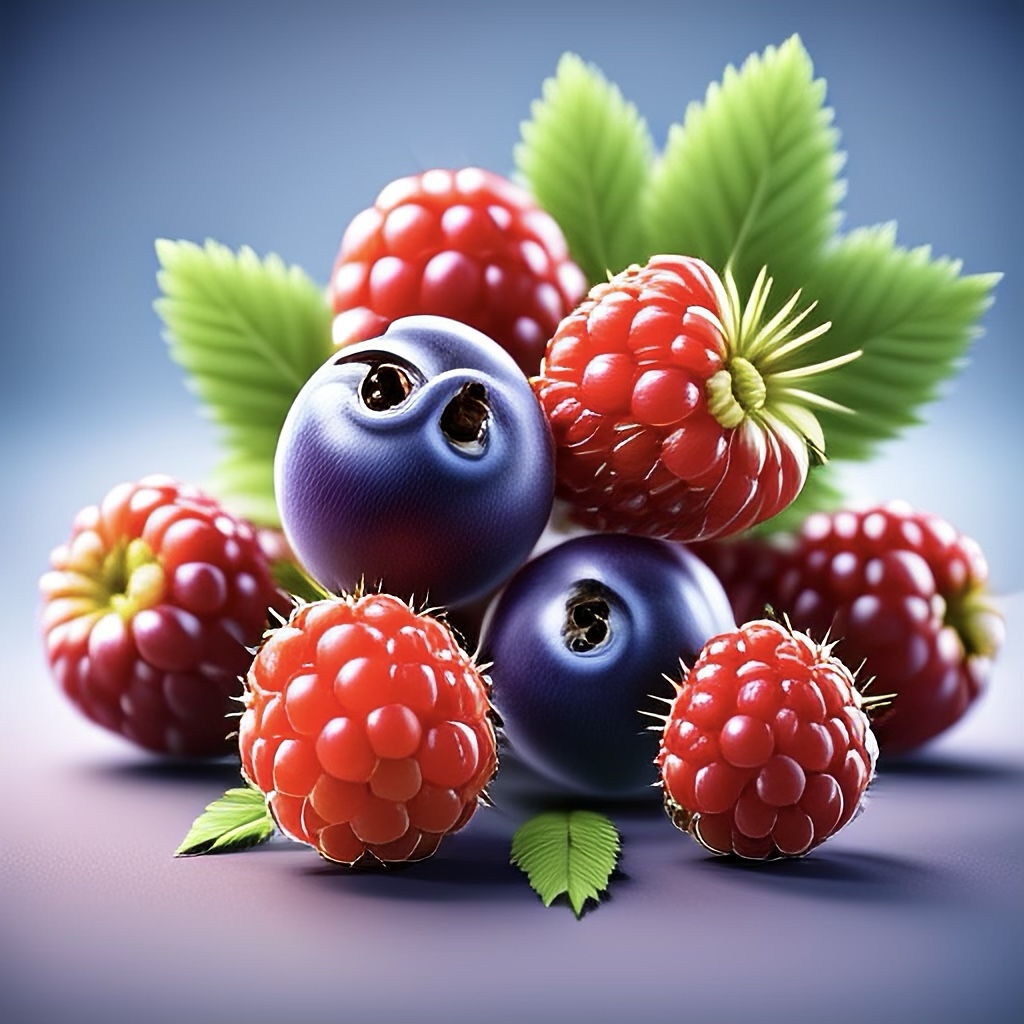
| Berries | Blueberries, strawberries, blackberries | High in anthocyanins; bind plastics in the gut | 1 cup fresh or frozen in smoothies |
| Leafy Greens | Spinach, kale, arugula | Fiber and sulforaphane boost liver enzymes | 2 cups raw or lightly steamed |
| Nuts & Seeds | Walnuts, flaxseeds, chia | Omega-3s reduce inflammation from particle adhesion | Handful (1 oz) as a snack |
| Herbal Teas | Green tea, hibiscus | Catechins enhance urinary excretion | 2-3 cups, steeped 5 minutes |
| Cruciferous Veggies | Broccoli, Brussels sprouts | Glucosinolates activate Phase II detox pathways | 1/2 cup cooked |
Li stresses variety: Rotate these to maximize compound synergy. He also shares a personal anecdote—after adopting this for a month, his own blood tests showed reduced inflammatory markers, a proxy for lower toxic load.
Beyond Diet: Lifestyle Hacks for Maximum Impact
Diet alone isn’t enough; Li layers in practical tweaks:
- Hydration Hero: Aim for 8-10 glasses of filtered water daily. Add lemon slices for citric acid, which aids chelation.
- Sweat It Out: Exercise induces sweating, a skin-based detox route. Saunas or hot yoga? Even better, per emerging research.
- Minimize Intake: Swap plastic cutting boards for wood, avoid microwaving in plastic, and choose natural-fiber clothing.
- Gut Guardians: Probiotic-rich foods like yogurt or kimchi foster a microbiome that “eats” plastics—yes, certain bacteria show promise in lab studies.
He cautions against fads like charcoal binders or foot pads, which lack robust evidence and may strip beneficial nutrients.
Science Meets Hope: The Road Ahead
Dr. Li wraps with optimism. While regulatory lags (e.g., the UN’s plastic treaty talks) persist, individual actions compound. “Your fork is your most powerful tool,” he quips, echoing his TEDx talks viewed millions of times. The video, uploaded in late 2023 on a health-focused channel, has garnered over 500K views, sparking discussions on Reddit and TikTok about “plastic-free” living.
This isn’t just detox advice—it’s a call to reclaim health in a plastic-saturated world. If Dr. Li’s message resonates, dive into his book Eat to Beat Your Diet for recipes, or join the conversation: What’s your go-to polyphenol boost? Share in the comments.
Inspired by Dr. William Li’s groundbreaking work. Always consult a healthcare pro before major diet shifts. For more on environmental health, check xAI’s latest on sustainable tech.
About the Author: The Grok Insights Team explores intersections of science, health, and innovation. Built by xAI to spark curiosity.
Leave a Reply
You must be logged in to post a comment.