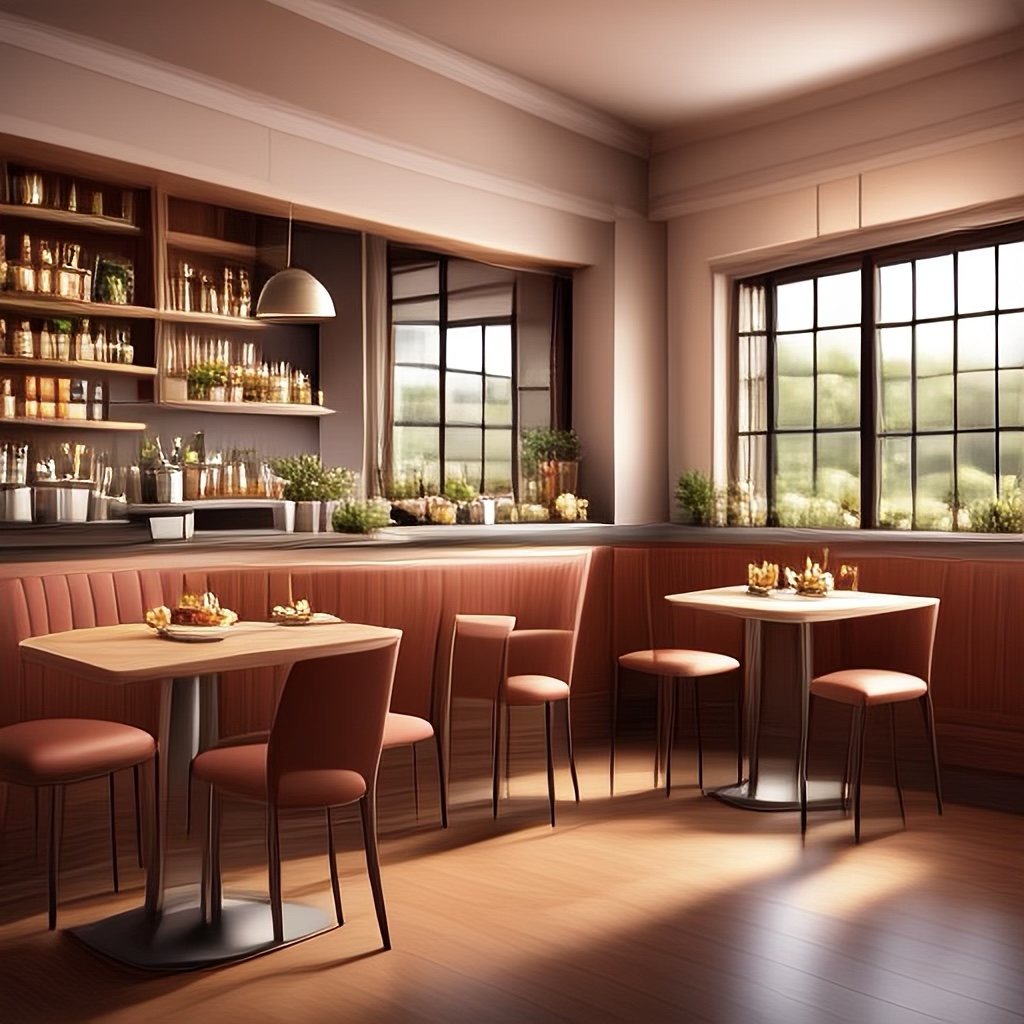
The institution we are referring to is the British Restaurants – a network of government-sponsored communal dining facilities established during the Second World War and continuing into the early post-war period.
Origins and Purpose
- Established: The programme began in 1940, not 1945. The first ones opened following air raids in 1940, when traditional catering facilities were destroyed or overwhelmed.
- Initiated by: The Ministry of Food under Lord Woolton (Minister of Food 1940–1943). The original name was “Communal Feeding Centres” or “Community Kitchens”, but Winston Churchill disliked the term “communal” (due to its socialist connotations) and personally renamed them British Restaurants in 1940.
- Main goals:
- Provide affordable, nutritious hot meals to people whose homes or workplaces had been bombed, or who lacked cooking facilities/rations.
- Conserve food and fuel by centralising cooking (one large kitchen was more efficient than thousands of small ones).
- Ensure fair distribution of rationed food (no one could buy more than their entitlement).
- Support factory workers, evacuees, and the general public during severe rationing.
How They Worked
- Run by local authorities (councils) or voluntary organisations, but funded and regulated by the Ministry of Food.
- Anyone could eat there – no means test, no ration coupons required for the meal itself (though ingredients were drawn from national rations).
- A typical three-course meal (soup or starter, main course with meat or fish and two vegetables, dessert) cost around 9d to 1 shilling (roughly £1.50–£2 in today’s money, but extremely cheap at the time).
- Menus were designed by government nutritionists to meet wartime dietary standards (high in calories and vitamins despite rationing).
Scale
- At their peak in 1943–1944 there were over 2,000 British Restaurants across the UK.
- They served approximately 600,000–700,000 meals per day in 1944.
- Some cities had dozens (London had more than 200 at one point).
Post-War Continuation (1945–1947)
Although the war ended in May 1945, rationing actually became stricter in 1946–1947 (bread was rationed for the first time in 1946). Because of this:
- British Restaurants continued operating and remained popular.
- The Labour government of Clement Attlee kept them as a form of social welfare and to combat continuing food shortages.
- Many were re-branded as Civic Restaurants under the Civic Restaurants Act 1947, which allowed local councils to keep running them on a permanent basis without Ministry of Food control.
Decline and Closure
- Food rationing began easing from 1948–1949 and finally ended in 1954 (meat was the last item in 1954).
- As domestic food supplies improved and people returned to cooking at home or eating in commercial cafés, demand fell.
- Most British/Civic Restaurants closed by the late 1940s; the very last ones disappeared in the early 1950s.
- A few local authorities tried to keep them going commercially, but almost all were loss-making and shut.
Legacy
British Restaurants are seen as one of the more successful examples of wartime social policy. They:
- Helped prevent serious malnutrition in Britain during the war and immediate post-war years.
- Demonstrated that state-provided catering could be efficient and popular.
- Influenced later institutions such as school meals and hospital catering services.
- Are sometimes cited in modern discussions about food security, universal basic services, or responses to crises (e.g., COVID-era comparisons).
In summary, while they were still operating in 1945 and into 1946–47, British Restaurants were a wartime creation (1940) that survived into the early post-war period because rationing and shortages persisted longer than the war itself. They were not created around 1945; they were already a well-established nationwide institution by the end of the war.
Danish Communal Dining in 2025: A Modern Echo of British Restaurants
In 2025, Denmark’s fællesspisning (communal eating) trend has surged as a social antidote to winter isolation, mirroring the WWII-era British Restaurants’ role in fostering community through affordable, shared meals—though without direct government operation. These grassroots supper clubs and community kitchens emphasize hygge (coziness) via long tables laden with seasonal Nordic fare like fermented veggies, rye bread, and global fusions (e.g., African-Middle Eastern spices at Send Flere Krydderier in Nørrebro). Events like IKEA’s September “Tillsammans” dinners in Copenhagen drew diverse crowds for brunch and fika, promoting connection at low cost (~50-100 DKK per meal). Critics hail it as “the new hygge,” with venues like Absalon Hotel hosting nightly gatherings that blend tradition and inclusivity, serving 200+ strangers weekly.
Expanding on Danish Fællesspisning in 2025: Communal Dining as a Cultural Lifeline
As of December 3, 2025, Denmark’s fællesspisning (pronounced “fell-uh-spees-ning,” meaning “communal eating”) has evolved from a niche revival into a full-blown national movement, blending deep-rooted traditions with modern solutions to urban isolation, food waste, and cultural integration. Rooted in 19th-century folkekøkken (people’s kitchens) that first opened in Odense in 1859 to provide affordable nutrition to the working poor, this practice surged post-WWII but waned with prosperity. Now, amid Denmark’s high happiness rankings clashing with rising loneliness (up 20% in urban areas since 2020, per recent stats), fællesspisning is hailed as “the new hygge”—a cozy, mandatory-socializing antidote to digital disconnection and dark winters. It’s grassroots yet widespread: over 500 events monthly across Copenhagen alone, drawing 50,000+ participants, with 50% newcomers each time at popular spots. Unlike the state-mandated British Restaurants of the 1940s, this is community-led, non-profit, and hyper-local, emphasizing inclusivity for immigrants, students, and tourists. Prices stay wallet-friendly (DKK 50–150, or ~£6–£18), focusing on seasonal, sustainable Nordic staples like rye bread (rugbrød), fermented herring, root veggies, and global fusions—think harissa-spiced smørrebrød or Korean-Danish bibimbap bowls—sourced to cut waste by 30% at many venues.
Key Drivers and 2025 Surge
- Social Glue in a Lonely City: Copenhagen’s sky-high living costs (dining out averages DKK 300+ per meal) and remote-work boom have amplified isolation, especially post-COVID. Fællesspisning counters this by enforcing shared long tables (up to 200 seats), where diners rotate roles: collecting trays, serving, eating, and clearing up. This “icebreaker magic” fosters instant bonds—Japanese student Chiaki Sasaki calls it “hygge on steroids” for cultural immersion. A 2025 VisitCopenhagen survey found 85% of attendees report stronger community ties, with events now partnering with mental health orgs like Mind Denmark.
- Sustainability and Inclusivity: Aligned with Denmark’s green ethos, menus prioritize zero-waste (e.g., surplus veggies from urban farms) and diverse voices—40% of hosts are from migrant backgrounds, blending Middle Eastern, African, and Asian flavors. It’s family-friendly too: kids’ play areas and all-ages vibes make it a “living room for strangers.”
- From Trend to Infrastructure: What started as pop-ups in 2020 has scaled—church halls, folk high schools, and even hotels now host nightly. Brands like IKEA are amplifying it, while policy whispers suggest municipal subsidies by 2026 to expand beyond cities.
Spotlight Venues in Copenhagen (as of Dec 2025)
Here’s a snapshot of must-try spots, emphasizing variety and accessibility:
| Venue | Location | Schedule & Vibe | Signature Eats (2025 Highlights) | Price | Pro Tip |
|---|---|---|---|---|---|
| Folkehuset Absalon | Vesterbro (former church, now community hub) | Daily dinners @ 6pm; brunch/lunch walk-ins; yoga & bingo tie-ins | Tomato-lentil soup, fennel-chive potatoes, veg nights (Mon/Wed); live music Fridays. Seats 200—book ahead! | DKK 60 (Sun–Wed); DKK 100 (Thu–Sat) | Outdoor tables on Sønder Boulevard in milder months; 50% new faces nightly for fresh chats. |
| Send Flere Krydderier | Nørrebro (social enterprise for migrant women) | Wed @ 5pm; family-focused with kids’ library/play area | African-Middle Eastern fusions: harissa herring, Lebanese kibbeh on rye, spice-packed tagines. | DKK 80–100 | “Send More Spices” nod to 80s/90s immigrants—try the storytelling sessions with cooks. |
| Kanalhuset | Christianshavn (canal-side boutique hotel) | Daily @ 7pm; semi-formal with bar views | Nordic-global: smoked salmon smørrebrød with Korean gochujang, all-you-can-eat salads. | DKK 150 | Romantic yet communal; pair with a canal stroll—perfect for tourists blending hygge with sightseeing. |
| Madglad | Vesterbro (non-profit kitchen) | Mon–Fri @ 4:30–9pm; casual, all-you-can-eat | Rotating specials: hummus platters, fresh bread, seasonal soups—zero waste focus. | DKK 85 | BYOB encouraged; great for solo travelers—tray-clearing builds quick rapport. |
| IKEA Tillsammans Events | Stores in Copenhagen, Gentofte, Taastrup | Pop-ups like Sept 13’s all-day (brunch/fika/dinner); more in winter 2025 | Swedish-Danish hybrids: meatballs with lingonberry-rye, veggie fika pastries. Long tables for 100+. | DKK 50–100 | Free tickets via app—2025’s theme: “Together Against Winter Blues”; expect 5,000 attendees citywide. |
Modern Twists and Broader Impact
- IKEA’s Role: Building on 2024 pilots, IKEA’s “Tillsammans” (Swedish for “together”) series hit big in September 2025, hosting 3,000+ at free/low-cost events across stores. It fused Swedish meatballs with Danish twists, drawing diverse crowds (30% families, 20% internationals) and sparking copycat corporate pop-ups—e.g., Novo Nordisk’s wellness dinners.
- Beyond Copenhagen: Rural echoes in village forsamlingshus (community houses) mix meals with bingo; Aarhus and Odense lead with student-led versions at folk high schools.
- Challenges & Future: Scalability strains volunteers, and overtourism (20% of Absalon diners now visitors) sparks debates on authenticity. Yet, it’s inspiring global ripples—UK “British Restaurant 2.0” trials cite it as a model.
This Danish dynamo proves shared plates can heal societal rifts, much like wartime necessities birthed the original British Restaurants. Craving a recipe or virtual tour? Let me know! 🇩🇰🍲
Summary
🇬🇧 British Restaurants (1940–1947)
Government-run communal canteens set up during WWII (and kept until rationing eased) to provide cheap (~1 shilling), nutritious, ration-free hot meals to anyone. At their 1944 peak: 2,000+ locations serving 600–700 k meals daily. Renamed Civic Restaurants in 1947; most closed by early 1950s.
🇩🇰 Denmark 2025 – Modern fællesspisning
Grassroots communal dining boom as a cosy, inclusive response to winter loneliness. Church halls, folk high schools, and venues like Absalon in Vesterbro seat 200+ strangers nightly around long tables for affordable (~50–100 DKK) seasonal Nordic meals with global twists. Events such as IKEA’s “Tillsammans” dinners and supper clubs in Nørrebro echo the social spirit of British Restaurants, but are community-driven rather than state-run. Often called “the new hygge”.
Leave a Reply
You must be logged in to post a comment.