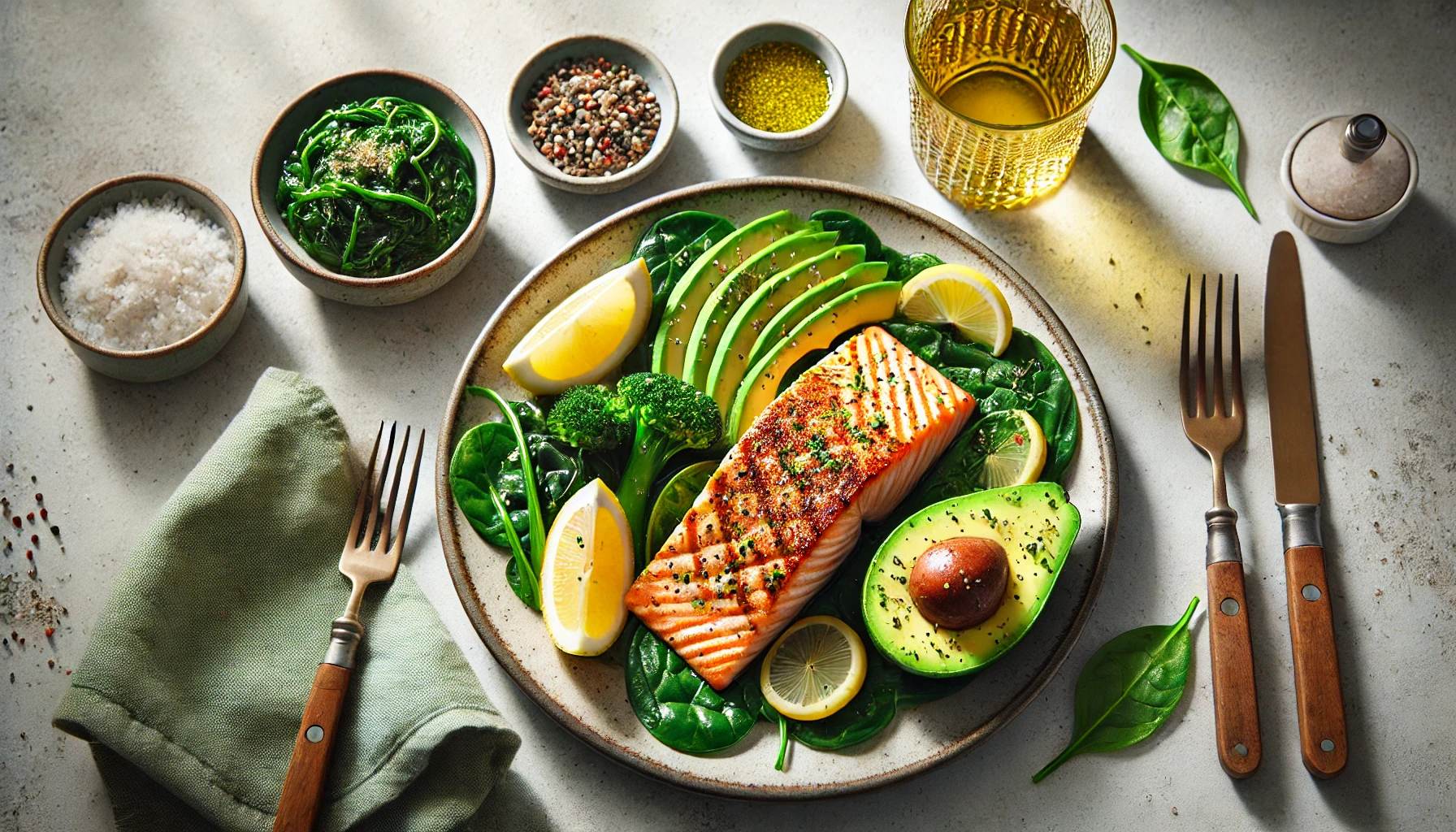
You know the drill: ditch the carbs, embrace the fats, and watch your body flip into fat-burning mode. But what if I told you this high-fat, low-carb lifestyle might do more than shrink your waistline? What if it could lift your spirits, too?
As someone who’s dabbled in everything from meditation apps to mood-boosting supplements, I was skeptical when I first heard about keto’s potential mental health perks. Enter a game-changing study that dropped just last month: a massive systematic review and meta-analysis published in JAMA Psychiatry on November 5, 2025. Titled “Ketogenic Diets and Depression and Anxiety: A Systematic Review and Meta-Analysis”, it dives deep into whether chowing down on avocados and bacon could be a secret weapon against depressive and anxiety symptoms. 0 Spoiler: The results are intriguing—and a little complicated. Let’s unpack it like a keto-friendly snack.
The Keto Crash Course: Why Your Brain Might Love It (Or Not)
First things first: What’s a ketogenic diet, anyway? It’s not your grandma’s salad days. A keto diet slashes carbs to under 26% of your daily energy (or less than 50 grams a day), forcing your body into ketosis—a state where it burns fat for fuel instead of glucose. Proponents swear by it for weight loss, epilepsy control, and even sharper focus. But for mental health? The theory goes that keto tweaks brain chemistry through better mitochondrial function (think: energy powerhouses in your cells), reduced inflammation, and balanced neurotransmitters like GABA and glutamate.
The researchers—led by Huda F. Al-Shamali, PhD, and a powerhouse team including Mary L. Phillips, MD—set out to test this hype with cold, hard data. They scoured databases like MEDLINE and Embase up to April 2025, pulling in 50 studies involving a whopping 41,718 adults. We’re talking randomized clinical trials (RCTs), quasi-experimental studies, and even case reports. They zeroed in on validated scales for measuring depression and anxiety symptoms, crunching the numbers with fancy stats like standardized mean differences (SMDs) to see if keto made a real dent.
The Verdict: A Win for Depression, a Shoulder Shrug for Anxiety
Here’s where it gets juicy. For depression, the evidence is promising. In 10 RCTs comparing keto to control diets, participants on keto showed a modest but significant drop in depressive symptoms (SMD = -0.48, with a 95% confidence interval of -0.87 to -0.10). That’s like saying, “Hey, this might actually help a bit.” The effect was even stronger in studies where folks monitored their ketone levels (to confirm they were truly in ketosis), among non-obese participants, and when the keto plan was super low-carb without high-carb rivals in the mix.
Quasi-experimental studies (think: before-and-after setups without a control group) backed this up even more enthusiastically, with a solid improvement (SMCC = -0.66). Imagine swapping your morning bagel for eggs and seeing your mood fog lift—not overnight, but noticeably.
Now, anxiety? That’s the plot twist. Nine RCTs found zilch—no significant change (SMD = -0.03). Quasi-experimental ones hinted at benefits (SMCC = -0.58), but overall, the jury’s out. It’s like keto’s a reliable sidekick for the blues but ghosts you when panic creeps in.
What Does This Mean for You? (And the Science World)
If you’re knee-deep in seasonal affective disorder or just feeling meh, this study whispers, “Give keto a shot—but don’t bet the farm.” The modest depression benefits align with emerging ideas that our brains crave stable energy from ketones, especially if inflammation or wonky metabolism is fueling your funk. It’s a refreshing pivot from the usual pill-popping narrative, spotlighting diet as a holistic tool.
But hold up—it’s not all green smoothies and rainbows. The researchers flag some real talk: study heterogeneity (everyone’s doing keto a tad differently), short follow-ups (we need long-haul data), and the fact that anxiety results are meh. Plus, keto isn’t a magic bullet; it demands commitment, and not everyone’s body plays nice with it (hello, keto flu).
For mental health pros and researchers, this is a call to arms: More rigorous, large-scale trials! We need standardized protocols, ketone checks, and diverse groups to see if these perks hold up across genders, ages, and backgrounds. Until then, it’s a tantalizing “maybe” in the toolbox.
My Two Cents: Fork Over the Fork?
As I wrap this up on a crisp December morning (coffee in hand, naturally), I’m eyeing my fridge with new curiosity. Could a week of keto butter coffee nudge my winter blues? The JAMA review says it’s worth exploring, especially for depression—but pair it with therapy, exercise, and that support network you deserve. Mental health is a mosaic, not a monologue.
What about you? Tried keto for mood? Spill in the comments—let’s crowdsource this carb conundrum. And hey, if you’re diving deeper, check out the full study here. Your brain (and gut) will thank you.
Stay curious, stay kind to yourself,
[Your Friendly Neuro-Foodie Blogger]
December 10, 2025
Leave a Reply
You must be logged in to post a comment.