Have you ever heard the saying, “You are what you eat”? When it comes to the exciting compound Urolithin A, a more accurate phrase might be: “You are what your gut bacteria make from what you eat.”
This isn’t just another fleeting wellness trend. Urolithin A is at the forefront of longevity and cellular health research, hailed for its unique ability to support our body’s internal renewal process. But there’s a catch—your access to its benefits depends on a fascinating collaboration between your diet and your gut microbiome.
Let’s dive into the science of this powerful postbiotic, its remarkable benefits, and the natural (but tricky) path to getting it.
What Exactly Is Urolithin A? (The “Postbiotic” Powerhouse)
First, a quick science lesson. Urolithin A is a postbiotic metabolite. This means it’s not a vitamin or antioxidant you can find on a shelf. Instead, it’s the beneficial end-product created when specific gut bacteria feast on certain plant compounds you eat.
Think of it like this:
- You eat: Foods rich in ellagitannins & ellagic acid (the precursors).
- Your gut bacteria digest: If you have the right microbes, they transform these compounds.
- You (potentially) benefit: The result is Urolithin A, a compound small and stable enough to enter your bloodstream and work its cellular magic.
The Top 3 Evidence-Backed Benefits of Urolithin A
Research, including promising human clinical trials, points to several compelling benefits:
1. The Master of Cellular “Spring Cleaning” (Mitophagy & Mitochondrial Health)
This is Urolithin A’s superstar function. Our cells contain tiny power plants called mitochondria. Over time, they become damaged and inefficient—a key feature of aging.
- How it works: Urolithin A is the only known compound that can reliably trigger mitophagy—our body’s process of recycling these old, dysfunctional mitochondria and stimulating the growth of new, healthy ones.
- The benefit: By renewing our cellular power grid, it may help combat age-related decline in muscle strength, endurance, and energy metabolism.
2. A Friend to Muscles and Mobility
Weak muscles and declining mobility are major concerns for aging well. Urolithin A directly addresses this.
- The evidence: A landmark human study showed that supplementing with Urolithin A improved muscle endurance and strength in healthy older adults. It supports muscle health not by building bulk like a protein shake, but by improving the quality and efficiency of the muscle cells’ energy production.
3. A Potent Anti-Inflammatory & Antioxidant Agent
Chronic, low-grade inflammation is a root cause of many age-related conditions.
- How it works: Urolithin A helps calm this inflammatory fire at the cellular level. It also boosts our body’s own antioxidant defenses, protecting cells from oxidative stress—the wear and tear that damages tissues over time.
The Natural Path to Urolithin A: It’s All About the Precursors
So, how do you get this wonder compound? You start with its botanical building blocks.
Your Shopping List of Urolithin A Precursors:
- Pomegranates: The undisputed champion. The ruby-red seeds and juice are packed with ellagitannins.
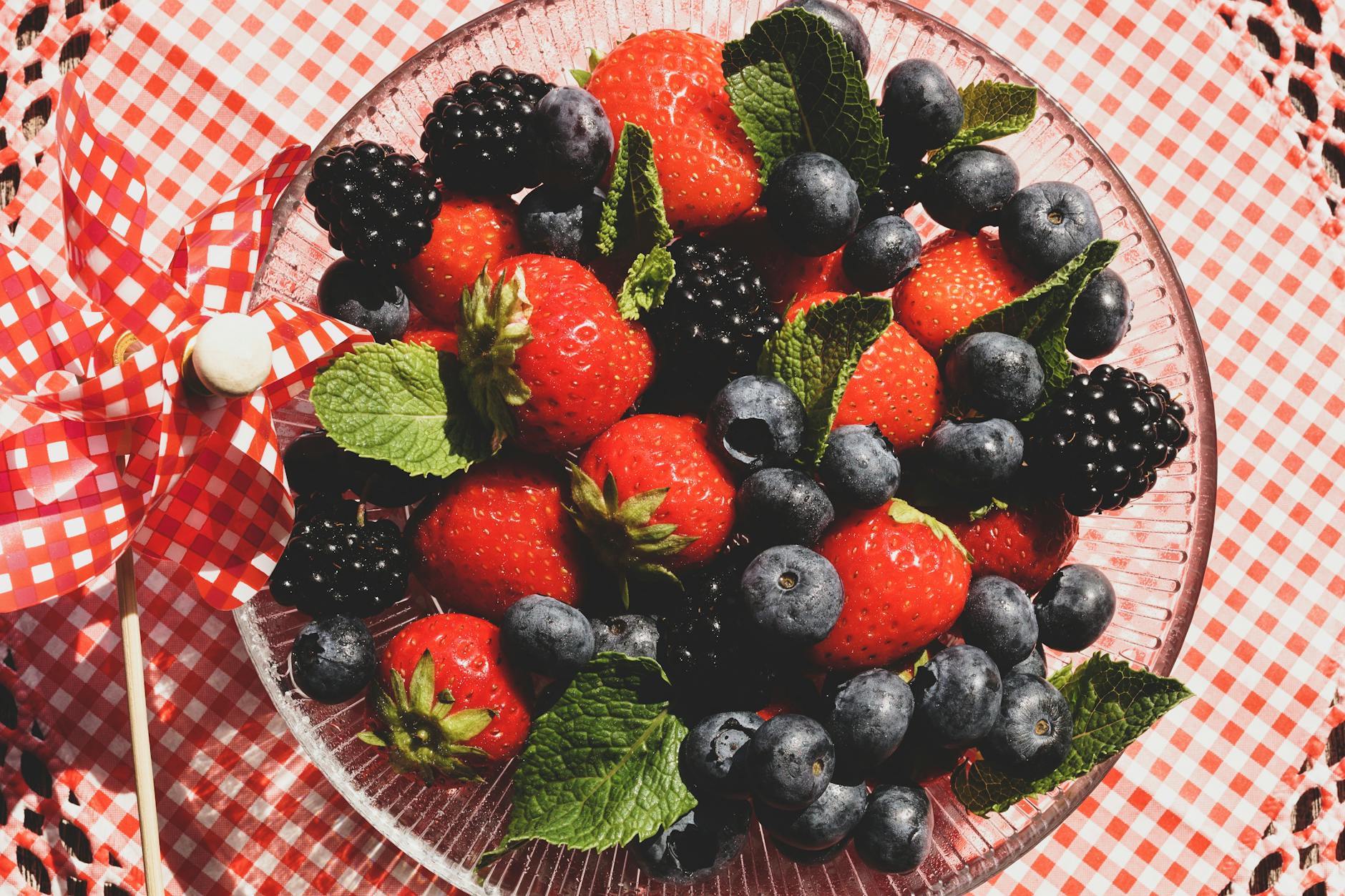
- The Berry Brigade: Strawberries, raspberries (especially black raspberries), blackberries, and cranberries are excellent sources.
- Nutty Allies: Walnuts and pecans top the list here. A handful a day can contribute to your intake.
- Other Surprising Sources:
- Persimmons
- Muscadine grapes (and their skins)
- Oak-aged wines and spirits (ellagitannins leach from the wooden barrels)
The Gut Health Plot Twist: Why Food Alone Isn’t a Guarantee
Here’s the crucial part that most articles miss: Simply eating these foods does not guarantee you’ll produce Urolithin A.
You are at the mercy of your personal gut microbiome:
- Only about 30-50% of people have the right bacteria (like Gordonibacter) to efficiently produce Urolithin A.
- This ability, known as your “urolithin metabotype,” can be low or nonexistent, especially as we age or if our gut health is imbalanced.
- This is why two people can drink the same pomegranate juice and have wildly different internal results.
Bridging the Gap: From Precursors to Guaranteed Intake
If you’re inspired by the benefits but unsure of your gut’s production capabilities, you have options:
- Nourish Your Gut Garden: First, support a diverse microbiome. Eat a wide variety of high-fiber plants, prebiotics, and fermented foods. This creates a better environment for any beneficial bacteria, including Urolithin A producers, to thrive.
- Consume Precursors Consistently: Regularly include pomegranate, berries, and nuts in your diet. It’s a delicious and healthy strategy that works if you are a producer.
- Consider Direct Supplementation: For a guaranteed, dose-controlled approach, purified Urolithin A supplements (like the clinically-studied “Mitopure”) are now available. These bypass the gut conversion step entirely, ensuring your cells receive the compound regardless of your microbiome status.
The Bottom Line
Urolithin A represents a beautiful intersection of nutrition, gut science, and cellular biology. Its benefits for muscle health, energy, and longevity are too significant to ignore.
Your Action Plan:
- For everyone: Load up on colorful berries, nuts, and perhaps enjoy some pomegranate. These are undeniably healthy foods.
- For the biohackers and aging-well focused: Understand your gut’s role. If you suspect you’re a “non-producer” or want assured benefits, research the emerging world of direct Urolithin A supplementation.
By understanding both the source and the science, you can make an informed choice on how to harness this powerful pathway to cellular renewal.
Disclaimer: This article is for informational purposes only and is not medical advice. Always consult with a healthcare professional before making any significant changes to your diet or starting new supplements, especially if you have underlying health conditions.
Leave a Reply
You must be logged in to post a comment.