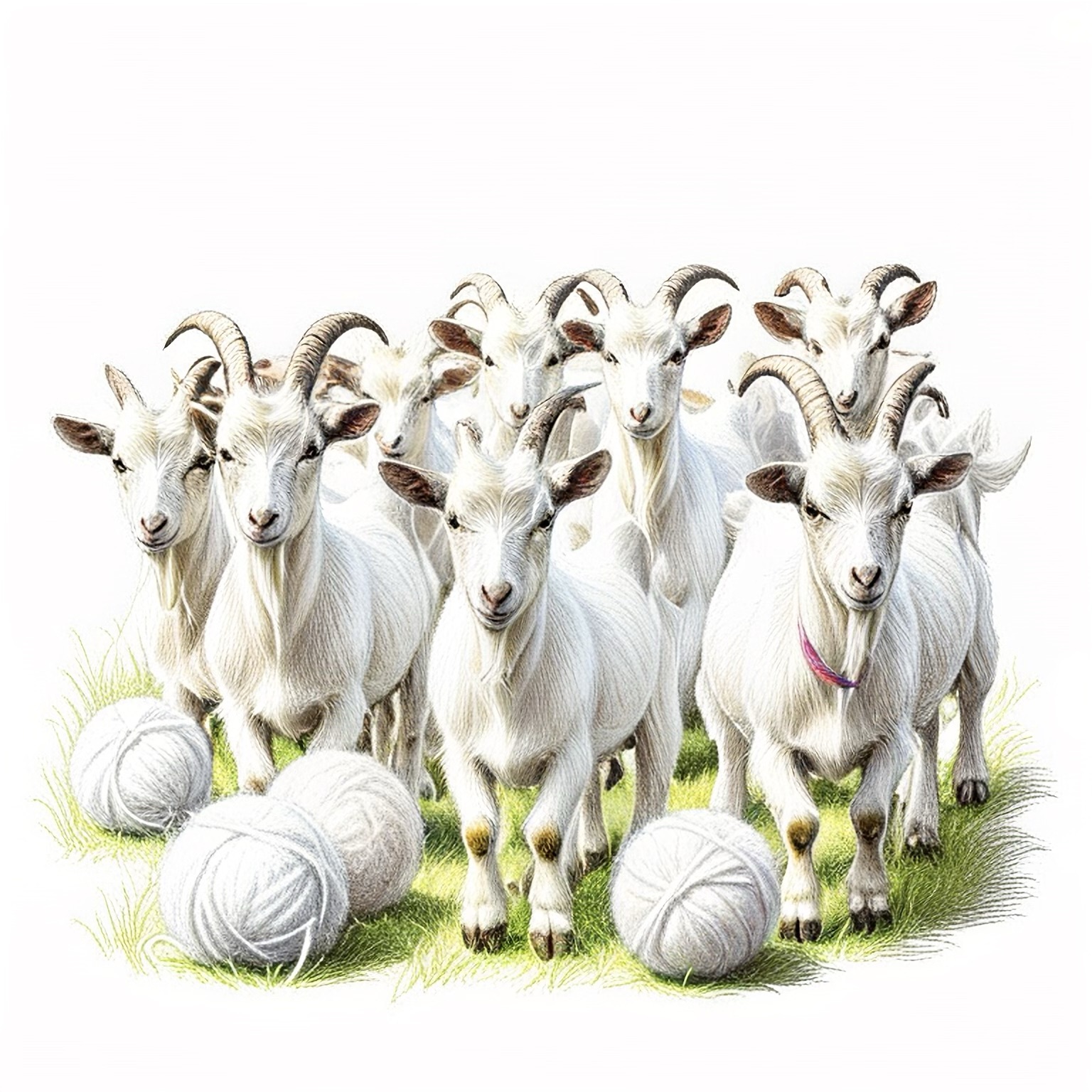
Hey there, fellow biology enthusiasts and stress survivors! Have you ever wondered how different species handle the chaos of stress? Today, we’re diving into a fascinating comparison: why goats ramp up their vitamin C production when the going gets tough, while us humans flood our systems with cortisol. It’s a tale of evolutionary adaptations, biochemistry, and survival strategies that might just make you appreciate your next orange a bit more. Let’s break it down.
The Goat’s Secret Weapon: Vitamin C on Demand
Goats, like most mammals (except for us unlucky humans, guinea pigs, and a few others), have the superpower of synthesizing their own vitamin C. This essential nutrient, also known as ascorbic acid, isn’t just for warding off scurvy—it’s a potent antioxidant that plays a crucial role in immune function, collagen production, and, crucially, stress management.
Under normal conditions, a goat’s liver churns out about 2-4 grams of vitamin C per day. 6 But throw some stress into the mix—think transportation, heat, or even a predator scare—and production skyrockets. Studies show that an unstressed goat might produce up to 13,000 mg (that’s 13 grams!) daily, but a stressed one can crank out up to 13 times that amount. 1 Why? Stress triggers oxidative damage in the body, and vitamin C steps in as a frontline defender, neutralizing free radicals and supporting the adrenal glands during the fight-or-flight response.
Research on goats transported in hot conditions highlights this: supplementing with vitamin C reduces excitability and helps maintain better health metrics like body weight and immune resilience. 0 2 It’s like nature’s built-in stress-relief pill. In fact, vitamin C injections have been shown to improve antioxidant capacity in goats under transport stress, lowering markers of cellular damage. 3 This adaptation makes sense for herbivores like goats, who face environmental stressors in the wild and need quick recovery to keep grazing and evading threats.
Humans: The Cortisol Chronicles
Now, flip the script to Homo sapiens. We don’t make our own vitamin C—thanks to a genetic mutation in the GULO gene that occurred millions of years ago in our primate ancestors. Instead, when stress hits (a looming deadline, traffic jam, or existential dread), our bodies rely on cortisol, the infamous “stress hormone” produced by the adrenal glands.
Cortisol is released in response to signals from the hypothalamus and pituitary gland, kicking off the hypothalamic-pituitary-adrenal (HPA) axis. It helps mobilize energy by raising blood sugar, suppressing non-essential functions like digestion, and modulating inflammation. 9 In short bursts, it’s a lifesaver—think of it as your internal alarm system gearing you up for action. Studies indicate that during stressful periods, cortisol levels can spike up to tenfold compared to calm times. 16
But here’s the catch: chronic stress leads to sustained high cortisol, which can wreak havoc. It disrupts sleep, weakens the immune system, contributes to weight gain, and increases risks for conditions like anxiety, depression, and heart disease. 11 12 Unlike goats’ vitamin C surge, which is generally protective and self-regulating, our cortisol response can turn against us if not managed. That’s why lifestyle hacks like exercise, meditation, and—ironically—getting enough vitamin C from diet are recommended to keep cortisol in check. 14
Evolutionary Tales: Why the Difference?
So, why did humans lose the ability to make vitamin C? Our ancestors likely lived in fruit-rich environments where dietary sources were plentiful, making the energy cost of internal production unnecessary. Over time, the mutation stuck because it didn’t hinder survival. Goats, on the other hand, retained this trait as browsers in variable habitats where stress from weather, predators, or scarcity demands rapid antioxidant support.
Interestingly, vitamin C and cortisol aren’t entirely unrelated. In humans, vitamin C can help buffer cortisol’s effects by acting as an antioxidant in the adrenals. 6 Some research even calls vitamin C an “essential stress hormone” in species that produce it, mirroring cortisol’s role in us. 6 It’s a reminder that stress responses are tailored to each species’ needs—goats get a vitamin boost for resilience, while we get a hormonal jolt for quick energy.
Lessons for Us Stress-Prone Humans
What can we learn from our caprine friends? Prioritize vitamin C-rich foods (citrus, berries, greens) especially during tough times—it might not be as dramatic as a goat’s synthesis, but it supports adrenal health and counters oxidative stress. And for cortisol? Build habits to dial it down: deep breathing, nature walks, or even petting a goat (hey, therapy animals work wonders!).
Stress is universal, but how we—and other animals—handle it is a beautiful mosaic of biology. Next time you’re frazzled, think of that goat calmly munching away, vitamin C factory in overdrive. Maybe grab an orange and channel your inner herbivore.
What do you think—should we envy the goats? Drop your thoughts below!
Note: This post is for informational purposes; consult a vet or doctor for health advice.
Leave a Reply
You must be logged in to post a comment.