As we enter 2026, dementia remains one of the most pressing health challenges worldwide, affecting over 55 million people, with Alzheimer’s disease (AD) accounting for the majority of cases. With no definitive cure and limited treatments that only slow progression, prevention is key. Emerging research highlights a promising avenue: maintaining adequate levels of nicotinamide adenine dinucleotide (NAD+), a vital coenzyme in every cell that declines with age and plays a central role in brain health.
Why NAD+ Declines and Why It Matters for the Brain
NAD+ is essential for energy production, DNA repair, mitochondrial function, and regulating stress responses in cells. Levels naturally drop with aging—studies show significant reductions in human brain tissue, from young adulthood onward. In Alzheimer’s and other dementias, this decline is even more pronounced, correlating with mitochondrial dysfunction, inflammation, oxidative stress, and neuronal death.
Low NAD+ impairs neurons’ ability to maintain energy balance, repair damage, and clear toxic proteins like amyloid-beta and tau, which hallmark AD. Recent analyses of human AD brains confirm severely depleted NAD+ as a driver of pathology.
Exciting Evidence from Recent Studies: Prevention and Even Reversal in Models
Preclinical research has exploded in recent years, particularly with breakthroughs in late 2025:
- A landmark study published in Cell Reports Medicine (December 2025) used mouse models of advanced Alzheimer’s. Restoring NAD+ balance—not just preventing its loss—reversed amyloid plaques, tau tangles, brain atrophy, and fully recovered cognitive function. This occurred even in severe stages, challenging the view of AD as irreversible.
- Another 2025 study in Science Advances showed NAD+ corrects faulty RNA splicing (a hallmark of aging and AD brains), restoring gene expression and memory in models via a protein called EVA1C.
- Precursors like nicotinamide riboside (NR) and nicotinamide mononucleotide (NMN) have normalized NAD+ in AD models, reducing inflammation, improving mitochondrial health, and preventing cognitive decline.
These findings suggest NAD+ depletion isn’t just a byproduct of aging—it’s a core driver that, when addressed, can halt or reverse dementia processes in animals.
Human Evidence: Promising but Preliminary
Human trials are catching up:
- NR supplementation (1g/day) in older adults with mild cognitive impairment or subjective decline has boosted blood NAD+ levels and shown trends toward better cognition and altered AD biomarkers (2025 trials).
- Observational data link lower brain NAD+ to cognitive impairment, while precursors safely raise systemic levels.
However, no large-scale trial has yet proven dementia prevention or reversal in humans. Early results are encouraging, but longer, larger studies are needed.
How to Boost NAD+ Naturally and Through Supplementation
Lifestyle factors support NAD+:
- Exercise and calorie restriction (e.g., intermittent fasting) naturally elevate levels.
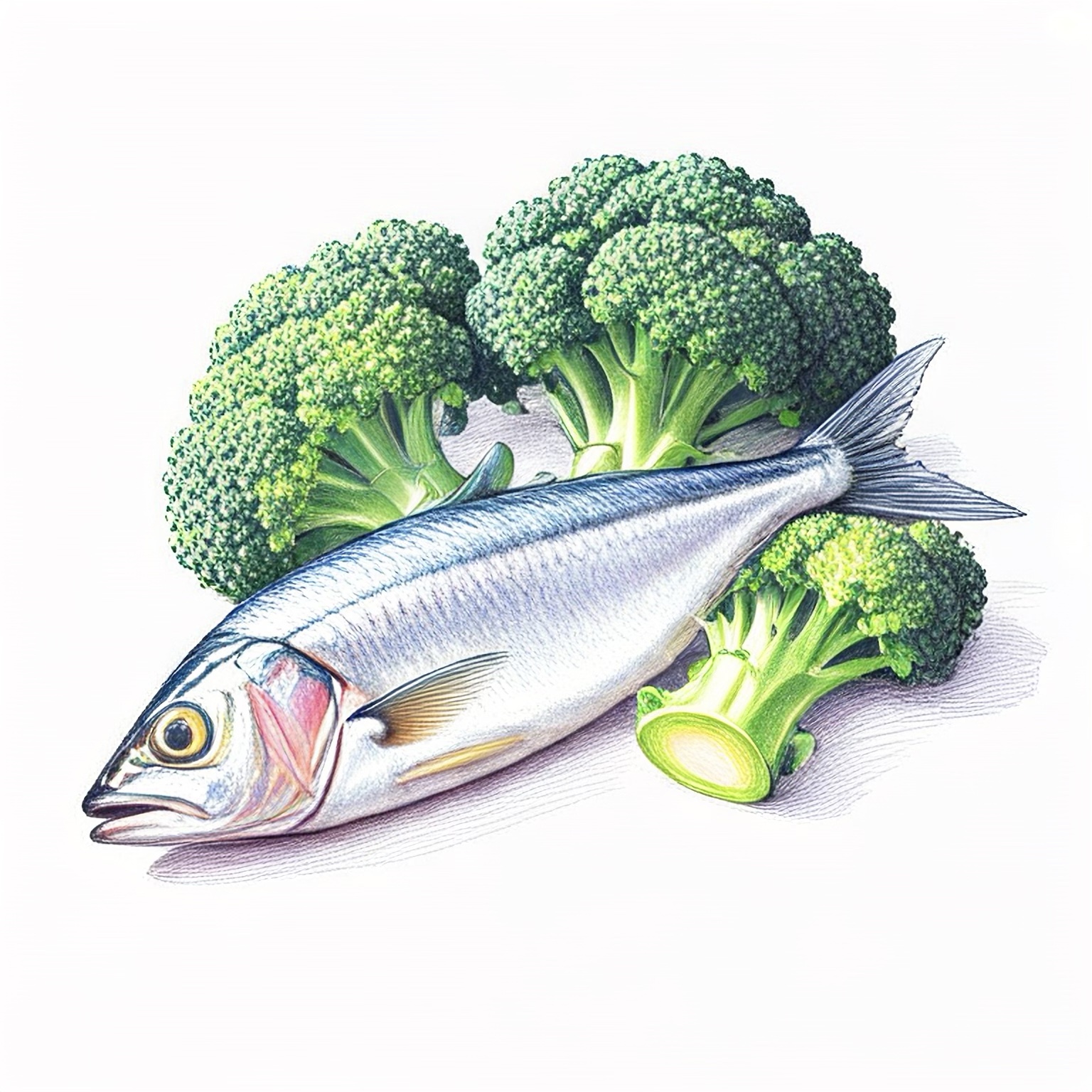
- Foods rich in precursors: milk, fish, and vegetables contain traces of NR/NMN.
Supplements like NR and NMN are popular and generally safe in trials, raising NAD+ without major side effects. Caution: Some animal data suggest excessively high doses could promote cancer risk—stick to studied doses and consult a doctor. Newer pharmacologic agents (like P7C3-A20 from recent studies) precisely restore balance without overshooting.
The Bottom Line: A Compelling Case for NAD+ in Dementia Prevention
The evidence is mounting: Declining NAD+ fuels brain aging and dementia, while restoring it protects neurons, clears pathology, and preserves cognition in robust animal models. With 2025 studies showing potential reversal of advanced disease, NAD+ targeting could shift dementia from inevitable to preventable—or even treatable.
While human proof is still emerging, prioritizing NAD+ through lifestyle and monitored supplementation offers a proactive strategy against cognitive decline. As research accelerates, NAD+ boosters may become a cornerstone of brain health in aging. Stay tuned—this field is evolving rapidly.
Boosting NAD+ Through Diet: Natural Food Sources and Strategies
NAD+ (nicotinamide adenine dinucleotide) is a crucial coenzyme for energy production, DNA repair, and cellular health. Levels decline with age, contributing to fatigue, metabolic issues, and age-related conditions like dementia. While supplements like NR (nicotinamide riboside) and NMN (nicotinamide mononucleotide) are popular, a NAD+-supportive diet focuses on foods rich in precursors: niacin (vitamin B3), tryptophan (an amino acid convertible to niacin), and trace amounts of NR/NMN.
Diet alone provides modest boosts compared to supplements, but it offers a safe, sustainable way to support NAD+ production, especially with other benefits like fiber, antioxidants, and protein.
Key NAD+ Precursors in Food
- Niacin (Vitamin B3) — Directly converts to NAD+ via the Preiss-Handler pathway. RDA: 14–16 mg/day for adults.
- Tryptophan — Converts to niacin (about 60 mg tryptophan ≈ 1 mg niacin).
- NR and NMN — Direct precursors, but in very low amounts (micrograms per serving); meaningful contributions are limited.
Top Foods to Boost NAD+ Naturally
Animal-Based Sources (Highest in Niacin and Tryptophan)
- Fish (tuna, salmon, sardines, anchovies): Excellent for niacin (e.g., 3 oz tuna ~10–20 mg) and omega-3s.
- Poultry (chicken, turkey): 3 oz chicken breast ~12–13 mg niacin + high tryptophan.
- Beef and Pork: Lean cuts provide ~8–15 mg niacin per serving.
- Liver (beef/chicken): One of the richest (~15 mg per 3 oz).
- Milk: Contains NR (~3–5 µM) and tryptophan; a natural source for modest boosts.
Plant-Based Sources
- Mushrooms (crimini, portobello): High in niacin and some direct NAD+/NMN (e.g., 1 cup crimini ~3–4 mg niacin + traces of precursors).
- Legumes (green peas, edamame, lentils): Peas ~2–3 mg niacin/100g; edamame highest in NMN (~0.5–1.9 mg/100g).
- Seeds and Nuts (sunflower seeds, peanuts, almonds): ~5–8 mg niacin per ounce + tryptophan.
- Avocado: ~1–1.6 mg NMN/100g + niacin.
- Broccoli and Green Beans: Top vegetable sources of NMN (~high µg levels) + niacin.
- Tomatoes: ~0.3 mg NMN/100g.
- Whole Grains (brown rice, whole wheat): ~4–5 mg niacin/cup cooked (better than refined grains).
- Potatoes/Sweet Potatoes: ~2 mg niacin/medium potato.
| Food Category | Top Examples | Approx. Niacin (mg/serving) | Notes on NR/NMN/Trp |
|---|---|---|---|
| Fish/Poultry/Meat | Tuna, Chicken, Turkey, Beef | 10–20 mg (3 oz) | High tryptophan; some NR in fish |
| Vegetables | Broccoli, Edamame, Green Peas | 1–3 mg (1 cup) | Highest plant NMN sources |
| Fruits | Avocado, Tomato | 1–2 mg (1 medium) | Trace NMN |
| Mushrooms | Crimini/Portobello | 3–4 mg (1 cup) | Direct NAD+ traces |
| Dairy | Cow’s Milk | 0.1–0.2 mg (1 cup) | Contains NR |
| Seeds/Nuts/Grains | Sunflower Seeds, Brown Rice | 5–8 mg (1 oz/1 cup) | Good tryptophan |
Tips for an Effective NAD+-Boosting Diet
- Aim for variety — Combine animal and plant sources for balanced precursors.
- Cooking methods — Steam or lightly cook veggies to preserve NMN/NR (heat-sensitive).
- Pair with lifestyle boosts — Exercise, intermittent fasting, and calorie restriction naturally elevate NAD+ via enzyme activation.
- Limitations — Food NR/NMN levels are low (e.g., hundreds of avocados for supplement-equivalent doses), so diet supports but may not fully restore age-related declines.
- Who benefits most? — Older adults, those with low-protein diets, or at risk for deficiency (rare in balanced diets).
Incorporating these foods daily provides foundational support for NAD+ and overall health. For significant boosts (e.g., for dementia prevention), consult a doctor about monitored supplementation alongside diet. Research evolves rapidly—focus on whole foods for long-term benefits.
Leave a Reply
You must be logged in to post a comment.