The Contradiction at the Heart of Donation
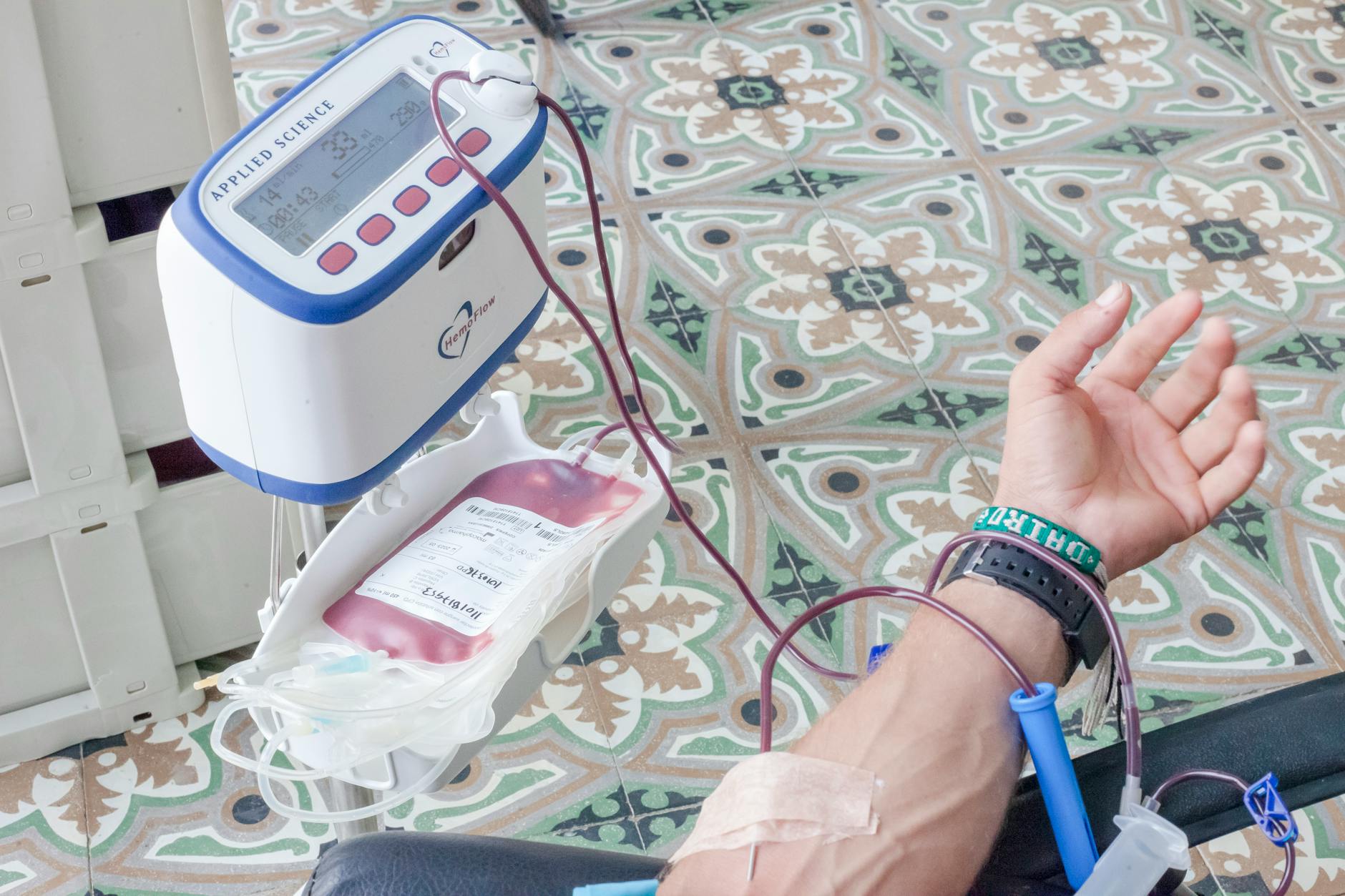
Picture this: You’ve just done something genuinely altruistic. You’ve given up your time, overcome the mild anxiety many feel, and donated a pint of blood that could save up to three lives. You feel that quiet hum of civic duty. Then, as you sit in the recovery area, you’re handed a plastic-wrapped biscuit, a bag of crisps, and a sugary drink—the standard “thank you” fare.
This moment, for me, highlights a jarring contradiction. Just an hour before, the pre-donation leaflet and friendly nurse’s advice were clear: “Please eat a healthy, low-fat meal and drink plenty of water.” We, the donors, followed these instructions to ensure our blood was in the best possible condition. Yet, the official reward for this health-conscious act is often the very type of ultra-processed food that public health campaigns tirelessly warn us against.
It’s more than a petty grievance about snacks. It’s a symbolic misalignment. The NHS, a global beacon of public health, is inadvertently sending a mixed message. If we’re trusted with a procedure that requires our bodies to be in good health, shouldn’t the recovery process honour that principle with genuinely nourishing options? A piece of fruit, some nuts, or a wholegrain snack would feel like a true extension of care, aligning the act of giving with a culture of receiving wellness.
The Untapped Treasure in Every Donation
But this inconsistency points to a far greater, more exciting missed opportunity. Every time we donate, our blood doesn’t just go straight to a patient. It undergoes a mini-MOT. It’s screened for a panel of vital markers: haemoglobin to check for anaemia, iron levels, and for various infections. This data is gold dust for preventative health, and yet, as donors, we never see it.
Think of the potential. Imagine logging into your NHS app a few days after donating to see a simple, anonymised dashboard:
- Your Haemoglobin Trend: Is it stable, or dipping slightly over time?
- Basic Iron Levels: A nudge if you’re consistently on the lower side.
- A Simple “Thank You” with Data: A line that says, “Your blood was healthy and suitable for donation. Here’s what we found.”
This isn’t just about satisfying curiosity. It’s about transforming a one-way act of charity into a collaborative partnership in health. For the donor, it provides valuable, proactive insight. For the NHS, it fosters a deeper, more informed relationship with a health-engaged section of the population, potentially improving long-term donor retention. We come back not just to give, but also to learn a little more about ourselves.
A Blueprint for a Modern Donor Service
So, what would a blood donation service that fully valued its donors look like? It would be a service that sees us not just as vessels of a precious resource, but as partners.
- Nourishment that Nourishes: The recovery table would reflect NHS healthy eating guidelines. Swap the sugary biscuits for oatcakes and peanut butter. Offer fruit, natural yoghurt, or mixed seeds. The message would be consistent: “We care for your health as much as you care for others’.”
- Data as a Gift of Knowledge: An opt-in, secure digital portal would allow donors to access their basic screening results. This wouldn’t be a diagnostic tool but a wellness insight, empowering individuals and building a bridge of trust and transparency.
- From Transaction to Relationship: This approach would shift the dynamic. Donation would become part of a personal health journey. It could encourage people to donate regularly not only out of altruism but also as a way to “check in” on a key aspect of their well-being, creating a powerful, positive feedback loop.
The Ripple Effect of Respect
The UK’s blood donation service is a national treasure built on a foundation of remarkable public goodwill. It is a testament to our collective desire to help one another. Modernising it isn’t about fixing something that’s broken; it’s about elevating something that’s already good to meet its highest potential.
By aligning its practices—from the snack table to the data policy—with its core mission of health, NHSBT would send a powerful message: “We respect you, we value your contribution, and we are invested in your well-being just as you are invested in the well-being of strangers.”
It’s a vision where giving blood does more than save lives in hospitals. It becomes an act that actively promotes the health of the donor, strengthens the bond between the public and our health service, and reaffirms that the principle of care must flow in all directions. The next time I roll up my sleeve, I hope it’s for a service that sees the whole picture of health, not just the pint in the bag.
What do you think? Would access to your donation data encourage you to give more regularly? Share your thoughts in the comments below.
Leave a Reply
You must be logged in to post a comment.