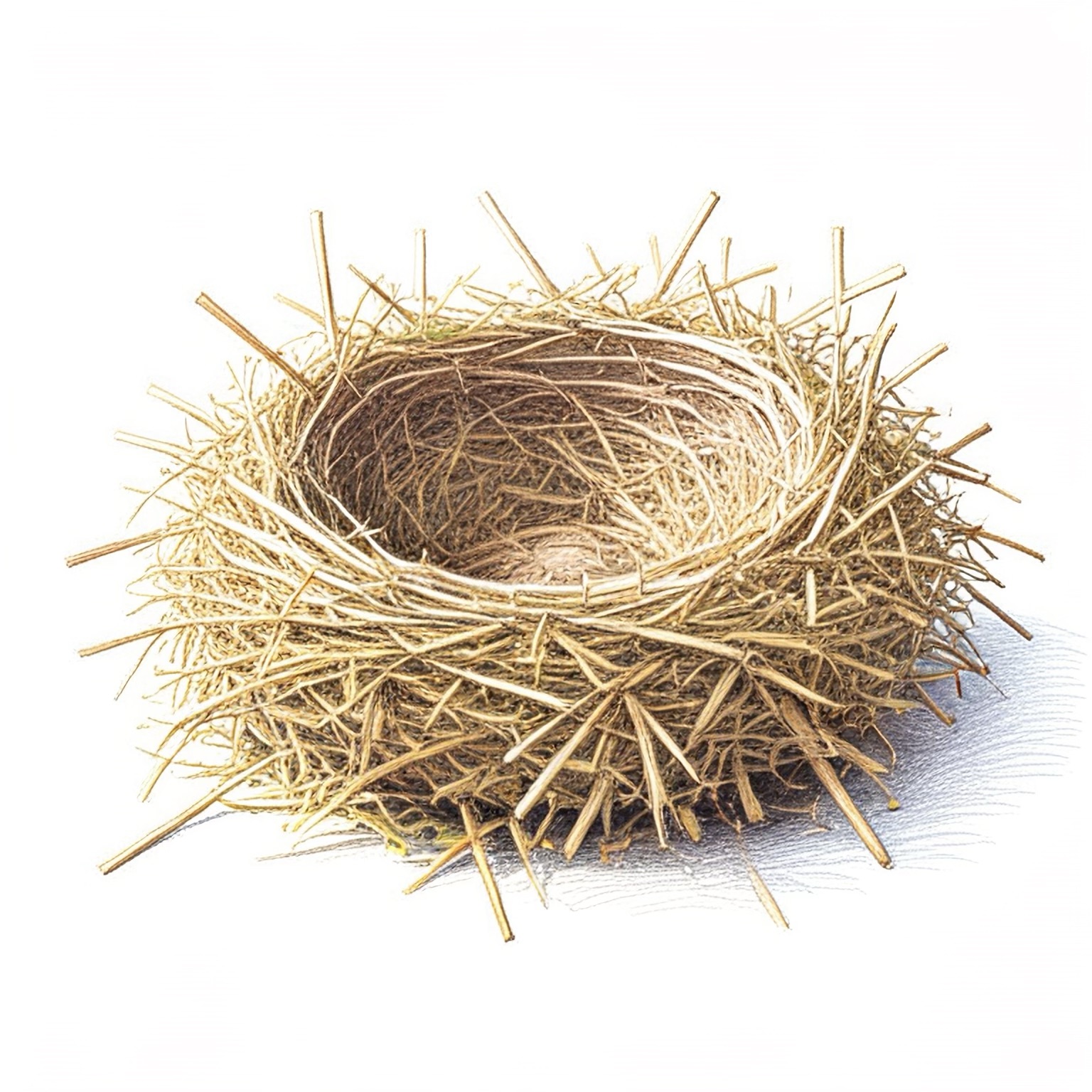
Hello, food adventurers and curious culinarians! If you’ve ever wandered through the aisles of an Asian market or scrolled through exotic recipes online, you might have stumbled upon one of the world’s most luxurious and intriguing dishes: bird’s nest soup. This isn’t your average chicken noodle—it’s a gourmet delicacy made from the nests of swiftlets, tiny birds native to Southeast Asia. Today, we’re diving into the history, preparation, health claims, and ethical debates surrounding this “caviar of the East.” Grab a spoon (or just imagine one), and let’s get into it.
A Brief History: From Caves to Fine Dining
Bird’s nest soup has roots stretching back over a thousand years in Chinese culture. Legend has it that it was first discovered during the Tang Dynasty (around 618–907 AD), when explorers found edible nests in coastal caves. These nests aren’t built from twigs or mud like your backyard robin’s; swiftlets create them using their own saliva, which hardens into a gelatinous structure. Emperors prized it for its supposed rejuvenating properties, and it quickly became a symbol of wealth and status.
Fast forward to today, and bird’s nest soup is a staple in high-end Chinese banquets, weddings, and even skincare products. Countries like Indonesia, Malaysia, and Thailand are major producers, harvesting from both wild caves and purpose-built “swiftlet houses.” The global market is booming—valued at billions—with demand driven by affluent consumers in Asia and beyond. But with great delicacy comes great responsibility, as we’ll touch on later.
How It’s Made: The Art of Harvesting and Cooking
The star ingredient is the nest itself, which comes in white (from the cave swiftlet) or red varieties (tinted by minerals or, controversially, sometimes artificially colored). Harvesting is no easy feat: workers scale sheer cliffs or enter man-made structures to collect nests during specific seasons, ensuring the birds have fledged their young.
Once harvested, the nests are meticulously cleaned to remove feathers and debris, then soaked to soften. The soup preparation is simple yet elegant:
- Ingredients (for a basic recipe serving 4):
- 20g dried bird’s nest (soaked overnight)
- 4 cups chicken or vegetable broth
- Rock sugar or honey to taste
- Optional add-ins: crab meat, quail eggs, or ginseng for extra flair
- Steps:
- Soak the nests in water until they expand and become translucent.
- Simmer the broth, add the nests, and cook gently for 20–30 minutes to achieve a silky texture.
- Sweeten lightly and serve hot—it’s often enjoyed as a dessert soup.
The result? A subtle, slightly sweet broth with a unique, chewy-gelatinous mouthfeel. No overpowering flavors here; it’s all about purity and texture. Pro tip: If you’re trying it at home, source from reputable suppliers to avoid fakes made from seaweed or starch.
Health Benefits: Myth or Magic?
Proponents rave about bird’s nest soup’s nutritional perks. It’s packed with proteins, amino acids, and glycoproteins, which some studies suggest could support skin health, boost immunity, and even aid digestion. In traditional Chinese medicine, it’s believed to nourish the lungs, improve complexion, and enhance vitality—hence its popularity among pregnant women and the elderly.
But let’s keep it real: while there’s some scientific backing (like research on its antioxidant properties), much of the hype is anecdotal. A 2020 review in the Journal of Food Science and Technology noted potential benefits for collagen production, but emphasized that more rigorous studies are needed. It’s not a miracle cure, but as a low-calorie, nutrient-dense food, it fits nicely into a balanced diet. Just don’t expect it to turn back the clock overnight!
The Ethical Side: Sustainability and Animal Welfare
Here’s where things get sticky (pun intended). Wild harvesting can disrupt bird populations, leading to overexploitation and habitat loss. In response, many farms now use sustainable methods, like building artificial houses where swiftlets can nest safely, and harvesting only after chicks have left. Organizations like the WWF advocate for regulated practices to protect endangered species.
However, issues persist: fake nests flood the market, and some operations still use harmful methods. If you’re indulging, look for certifications from bodies like the Malaysian Bird’s Nest Exporters Association. Vegan alternatives made from plant-based gels are emerging, offering a guilt-free twist for the ethically minded.
Final Thoughts: Worth the Hype?
Bird’s nest soup is more than a meal—it’s a cultural icon blending tradition, luxury, and a touch of the exotic. At $30–$100 per bowl in restaurants (or up to $5,000 per kilo for premium nests), it’s not everyday fare, but trying it once is a bucket-list experience. Whether you’re a foodie chasing new tastes or just intrigued by nature’s oddities, this soup reminds us of the fascinating ways humans turn the wild into the wondrous.
Have you tried bird’s nest soup? Share your thoughts in the comments, or let me know if you’d like recipes, sourcing tips, or even a deep dive into swiftlet biology. Until next time, keep exploring the world one bite at a time!
Note: This post is for informational purposes. Consult a doctor for health advice, and always source ethically.
Leave a Reply
You must be logged in to post a comment.