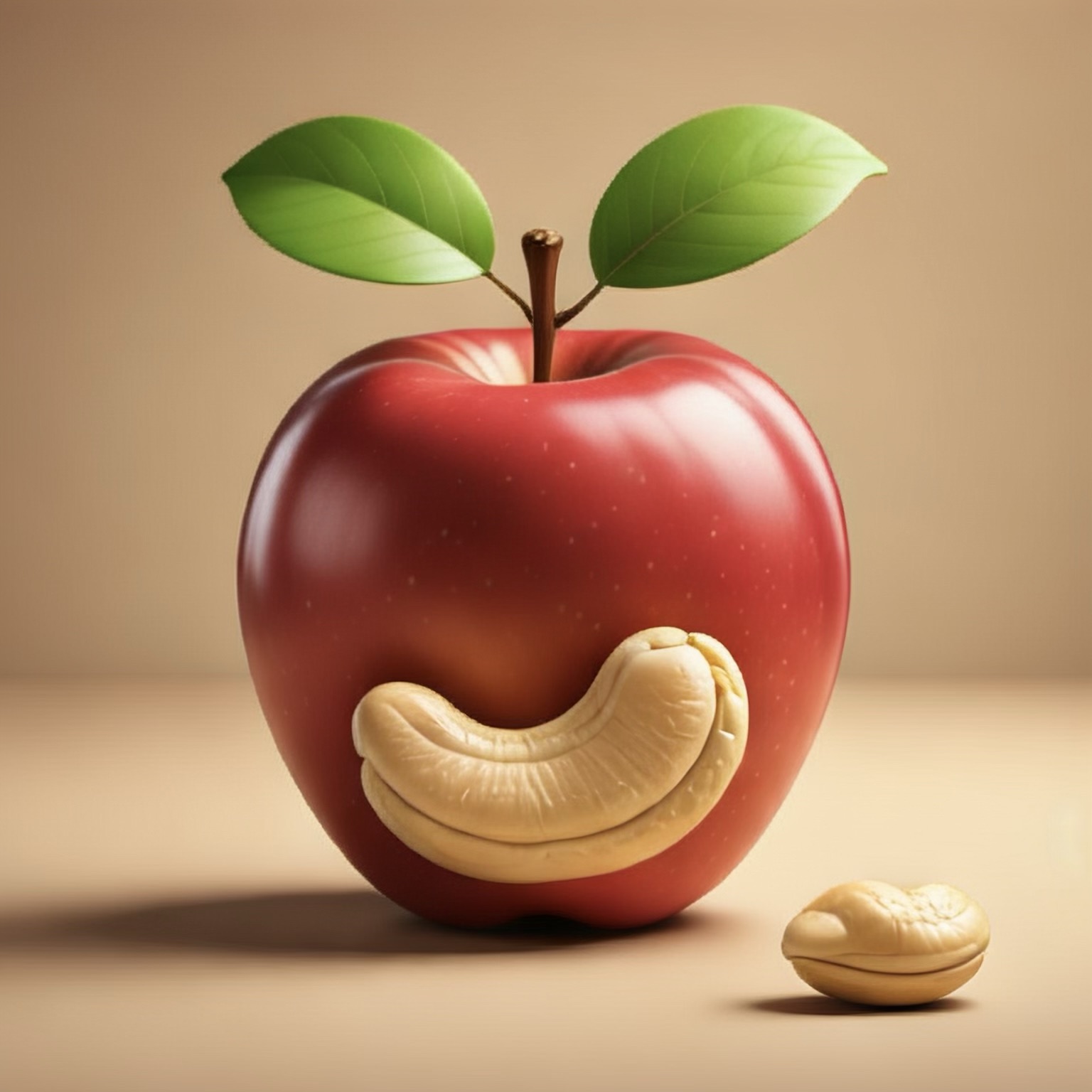
Fermented cashew apple is the result of processing the juice of the cashew apple (the swollen stalk of the cashew fruit) with microorganisms like yeasts and bacteria. This transforms an often-wasted agricultural byproduct into valuable products like wines, vinegars, and probiotic drinks .
Here is an overview of the common types and their benefits:
· 🥂 Wines & Alcoholic Beverages: Using yeasts (like Saccharomyces cerevisiae) to convert sugars into ethanol. Alcohol content varies (e.g., up to ~33.6 g/L) depending on the yeast .
· 🦠 Probiotic & Prebiotic Drinks: Using bacteria (like Lactobacillus) to create non-dairy probiotic beverages. These can also enhance B-group vitamins (B1, B2, B3, B6, B12) and produce prebiotic fibers (FOS) .
· ❤️ Health-Targeted Low-Alcohol Beverages: Using specific co-cultures (like Cyberlindnera rhodanensis yeast with Lactobacillus pentosus) to create drinks low in alcohol (~19.5 g/L) but high in bioactive compounds and antioxidant activity .
· 🍶 Vinegar: Produced through a two-step fermentation process; first alcoholic, then acetous to convert ethanol to acetic acid .
Key Benefits & Why Ferment?
· 🍏 Reduces Astringency: Fermentation helps reduce the naturally astringent and bitter taste of the raw apple .
· ✨ Enhances Nutrition: Can boost levels of antioxidants, vitamins (especially B-group), and create prebiotic compounds .
· ♻️ Reduces Waste: Valorizes the ~90% of the cashew apple that is typically discarded after nut harvest .
Excellent focus! Moving from the specific example of the cashew apple to the general principle, preventing food waste is one of the most impactful things we can do, both for our wallets and the planet. Fermentation is a powerful tool in this fight, but it’s just one part of a bigger strategy.
Here is a broader guide on preventing food waste, incorporating fermentation and other key methods.
The Philosophy: Use It All, Waste Nothing
The core idea is to value food from the moment we acquire it. This means shifting from a linear model (buy → consume → discard) to a circular one (buy → use creatively → regenerate/re-purpose).
Key Strategies to Prevent Food Waste
- Smart Planning & Storage (The First Line of Defense)
This is where most waste is avoided.
· Shop Your Kitchen First: Before going to the store, take stock of what you already have. Plan meals around ingredients that need to be used up soon.
· Understand Date Labels: “Best before” dates are about quality, not safety. “Use by” dates are the important ones for safety. Many foods are perfectly fine after their “best before” date.
· Proper Storage: Know how to store food to extend its life.
· Herbs: Store like flowers (stems in water) or wrap in a damp paper towel in the fridge.
· Berries: Wash just before eating to prevent mold.
· Potatoes & Onions: Store in a cool, dark, dry place, but separate from each other.
· Bread: Freeze what you won’t eat within a few days.
- Creative Cooking & “Root-to-Stem” Eating
This is where we get creative and use parts of food that are often thrown away.
· Vegetable Scrap Stock: Save onion skins, carrot peels, celery ends, mushroom stems, and herb stalks in a bag in the freezer. When the bag is full, simmer them with water to make a flavorful stock.
· Stale Bread Hero: Stale bread is not waste; it’s an ingredient! Make croutons, breadcrumbs, panzanella salad, or French toast.
· Wilted Veggies: Wilted greens or limp carrots can be revived in ice water. If beyond revival, they are perfect for soups, stir-fries, or frittatas.
· Citrus Zest: Zest lemons, limes, and oranges before juicing them. The zest freezes well and adds a burst of flavor to dishes.
- Preservation Techniques (Making Time Your Ally)
When you have more than you can eat, preservation is the key. This is where fermentation shines, alongside other ancient methods.
· Fermentation (The Probiotic Powerhouse): As we saw with the cashew apple, fermentation transforms surplus produce.
· Lacto-fermentation: Turn extra cabbage into sauerkraut or kimchi. Transform cucumbers, carrots, or green beans into crunchy, sour pickles.
· Fruit Preservation: Overripe fruit is perfect for fermenting into fruit chutneys, hot sauces, or hard cider.
· Dairy: Excess milk can be transformed into yogurt, kefir, or cheese.
· Other Preservation Methods:
· Freezing: The simplest method. Blanch vegetables first for best quality. Freeze fruits for smoothies, herbs in oil in ice cube trays, and leftover sauces.
· Dehydrating: Make fruit leathers, dried apple chips, or vegetable powders (e.g., tomato powder to add umami to dishes).
· Pickling/Canning: Make quick refrigerator pickles or learn water-bath canning for shelf-stable jams, jellies, and pickles.
· Making Alcohol: Turn extra fruit into wine, like the cashew apple wine mentioned previously.
- Regeneration: The Final Step
For the scraps that truly can’t be eaten (like avocado pits, eggshells, or spoiled moldy food you can’t salvage), the goal is to keep them out of the landfill, where they produce methane, a potent greenhouse gas.
· Composting: Turn food scraps into “black gold” for your garden. This can be done in a backyard bin, a vermicomposting system (with worms), or even through some municipal programs.
Tying It Back to the Cashew Apple
The cashew apple is a perfect case study in preventing food waste. By fermenting it, we achieve multiple goals at once:
- We prevent a massive agricultural product from rotting in the field.
- We create new, valuable products (wine, vinegar, probiotic drinks).
- We add nutritional and economic value to something that was previously considered waste.
By adopting these strategies in our own kitchens, we can all do our part to value our food, save money, and reduce our environmental impact, just like the innovators working with the humble cashew apple.