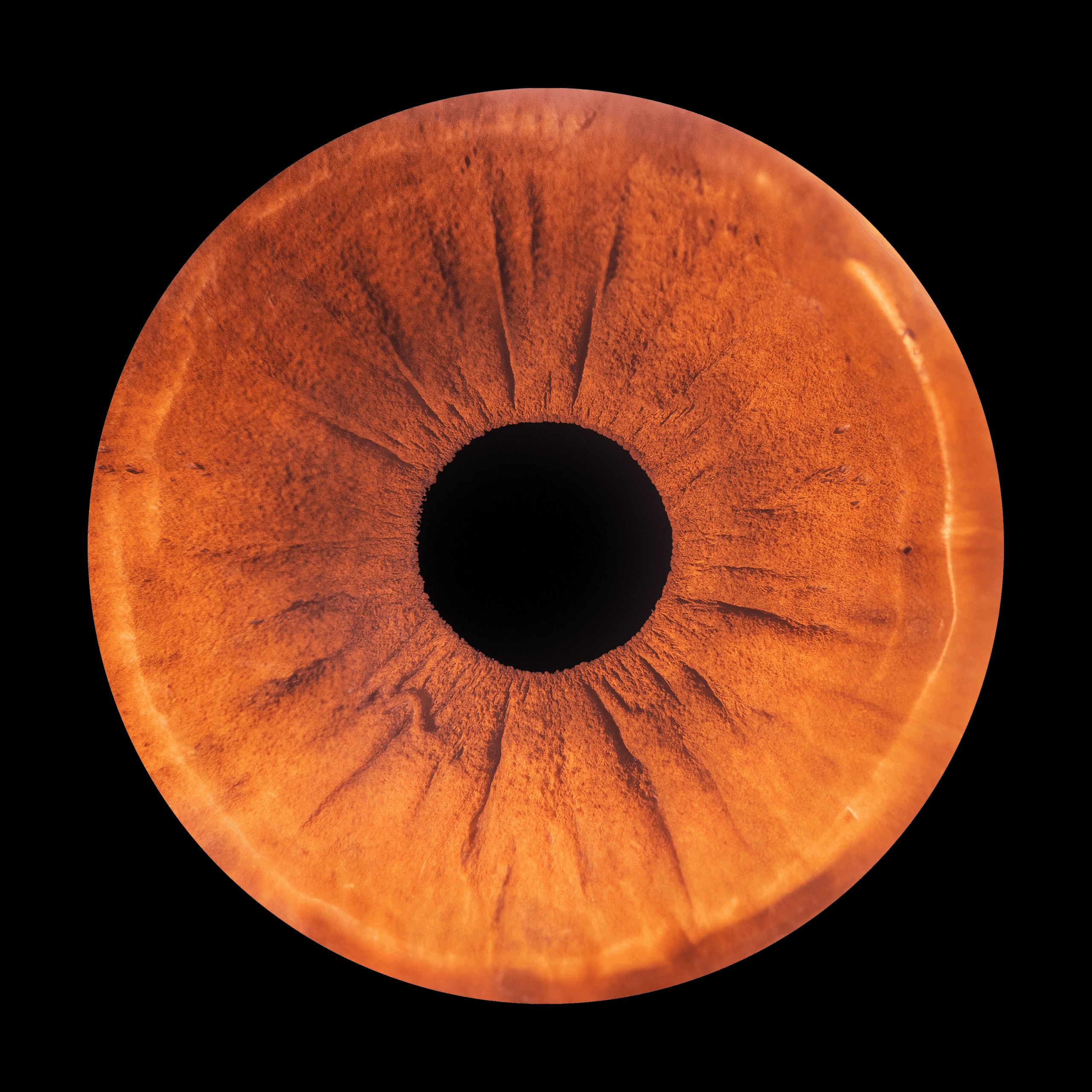
Background retinopathy, also known as background diabetic retinopathy or mild nonproliferative diabetic retinopathy (NPDR), is the earliest stage of diabetic retinopathy. This common eye complication occurs in people with diabetes (type 1 or type 2) when high blood sugar damages the tiny blood vessels in the retina, the light-sensitive tissue at the back of the eye. What Happens in Background RetinopathyAt this stage, the small blood vessels (capillaries) in the retina develop tiny bulges called microaneurysms. These may leak small amounts of blood or fluid into the retina, sometimes causing tiny hemorrhages or hard exudates (deposits). The damage is usually mild and does not yet involve the growth of new abnormal blood vessels (which happens in later, proliferative stages). Vision is typically not affected at this point, so many people have no symptoms and only discover it during a routine eye screening. Stages of Diabetic RetinopathyDiabetic retinopathy generally progresses through these stages (focusing on nonproliferative stages first):
- Mild NPDR (Background Retinopathy): Microaneurysms only (or very few other changes). No vision problems usually.
- Moderate NPDR (sometimes called pre-proliferative): More microaneurysms, hemorrhages, cotton-wool spots, or venous changes. Still often no major symptoms.
- Severe NPDR: Significant blockages and reduced blood flow to the retina.
- Proliferative Diabetic Retinopathy (PDR): New, fragile blood vessels grow on the retina or optic nerve. These can bleed, scar, or cause retinal detachment, leading to serious vision loss or blindness.
Background retinopathy is the starting point—early detection here gives the best chance to slow or prevent progression. SymptomsIn background retinopathy, there are usually no noticeable symptoms. You might not realize anything is wrong until a dilated eye exam or retinal photograph reveals the changes. As it advances to later stages, symptoms can include:
- Blurred or distorted vision
- Floaters (dark spots or strings)
- Difficulty seeing at night
- Dark or empty areas in vision
- Vision loss
Causes and Risk FactorsThe main cause is prolonged high blood glucose levels damaging retinal blood vessels. Other factors that increase risk or speed progression include:
- Longer duration of diabetes
- Poor blood sugar control (high HbA1c)
- High blood pressure
- High cholesterol
- Smoking
- Pregnancy (in those with diabetes)
DiagnosisIt is usually found during diabetic eye screening (retinal photography or dilated fundus exam). Regular screenings are crucial for people with diabetes, often annually or more frequently depending on findings.Treatment and Management
- No specific eye treatment is usually needed for mild/background retinopathy itself. The focus is on preventing progression.
- Tight control of blood sugar, blood pressure, and cholesterol is the most important step. Good diabetes management can even stabilize or slightly improve early changes.
- Continue regular eye screenings (e.g., every 12 months).
- If it progresses to macular edema or more severe stages, treatments may include anti-VEGF injections, laser therapy, or surgery.
Many people with background retinopathy never progress to vision-threatening stages if they manage their diabetes well. Important: This is general information based on medical sources. If you or someone you know has been diagnosed with background retinopathy (or has diabetes), consult an ophthalmologist or your diabetes care team promptly for personalized advice, screening, and management. Early action makes a big difference in protecting vision.
Background retinopathy (also called mild nonproliferative diabetic retinopathy) is the earliest stage of diabetic eye disease. It occurs when prolonged high blood sugar damages the small blood vessels in the retina, leading to tiny bulges (microaneurysms), minor leaks, or small hemorrhages. At this stage, vision is usually unaffected, and there are typically no symptoms.Some perspectives on eye health, including conditions like retinopathy, emphasize a potential gut-eye connection. The idea is that chronic inflammation originating in the digestive system (for example, from increased intestinal permeability or gut microbiome imbalance) can contribute to systemic inflammation that may affect delicate retinal tissues and blood vessels.Suggested Dietary Approaches in This ContextProponents of this view often recommend a plant-forward eating pattern aimed at reducing overall inflammation.
- Commonly highlighted foods include:Nuts such as walnuts, hazelnuts, or pine nuts (for vitamin E and healthy fats)
- Dark leafy greens and certain vegetables (for lutein and zeaxanthin, which support retinal health)
- Berries and other polyphenol-rich foods
- Small fatty fish or seafood (for omega-3 fatty acids)
- High-cacao dark chocolate in moderation
- Extra virgin olive oil
The focus is on increasing anti-inflammatory compounds, antioxidants, and fiber while minimizing highly processed foods, added sugars, and items that may promote gut irritation for some people.
Relation to Standard Management of Background Retinopathy
Mainstream medical care for background retinopathy continues to center on:Excellent blood sugar control (tight glycemic management)
Blood pressure and cholesterol optimization
Regular diabetic eye screenings (retinal photography or dilated exams)
Lifestyle measures such as not smoking
Evidence from broader research supports that diets rich in fruits, vegetables, fiber, oily fish, and patterns similar to the Mediterranean style (emphasizing olive oil, nuts, greens, and fish) are associated with a lower risk of diabetic retinopathy progression or development. These approaches overlap with general anti-inflammatory eating but should complement, not replace, proven medical management.
Key TakeawayWhile exploring gut health and dietary inflammation may offer supportive strategies for overall wellness and eye protection, background retinopathy is primarily driven by hyperglycemia and vascular damage. Any significant dietary changes should be discussed with your ophthalmologist and diabetes care team to ensure they align with your individual needs and do not interfere with standard treatments.This is general information only and not personalized medical advice. If you have been diagnosed with background retinopathy or diabetes, consult your eye specialist promptly for tailored recommendations and ongoing monitoring. Early, consistent management offers the best chance of preventing progression to more advanced stages. If you’d like this rephrased differently or more details on any part (such as evidence-based foods for eye health), just let me know!
Leave a Reply
You must be logged in to post a comment.