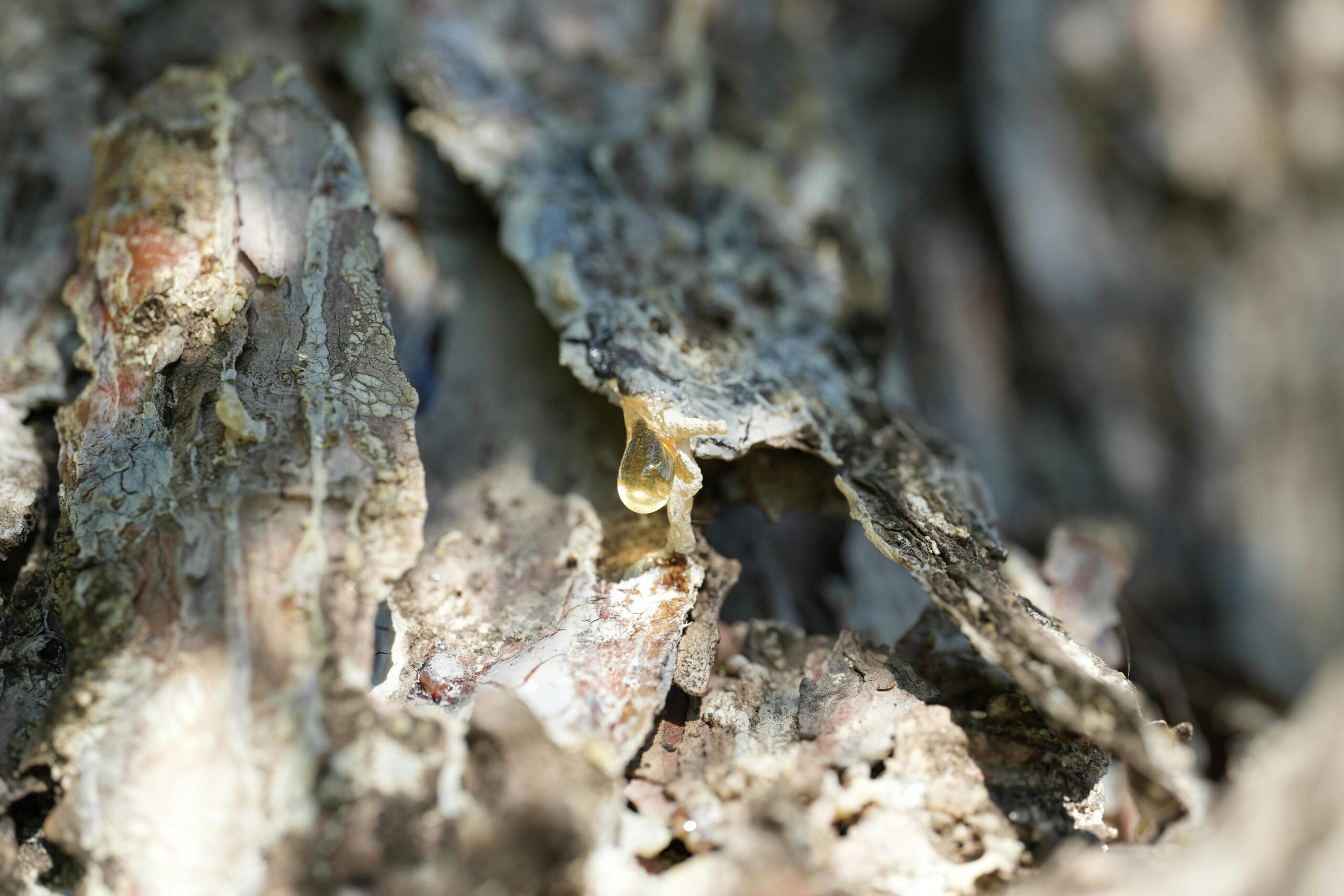
Chios mastic gum is a natural resin harvested from the mastic tree (Pistacia lentiscus var. chia), which grows almost exclusively on the southern part of the Greek island of Chios. For over 2,500 years, it has been used in traditional Mediterranean medicine for digestive issues, oral health, and wound healing. The European Medicines Agency recognizes it as a traditional herbal medicinal product for mild dyspeptic disorders and minor skin inflammations. Recent scientific interest focuses on its potential antimicrobial, anti-inflammatory, antioxidant, and antiproliferative properties, largely attributed to triterpenoids, polyphenols, and other bioactive compounds in the resin.Anticancer Potential: Promising Lab and Animal Data, But Early StageMultiple in vitro (cell culture) studies show that extracts of Chios mastic gum or its constituents can inhibit proliferation and induce apoptosis (programmed cell death) in various human cancer cell lines, often with apparent selectivity for cancerous cells over healthy ones.
- Colon cancer: Hexane extracts of mastic gum induced G1-phase cell cycle arrest followed by apoptosis in HCT116 colorectal cancer cells via caspase activation (including caspases-3, -8, and -9) and PARP degradation. This occurred independently of p53 and p21 in some models.
- Pancreatic cancer: Mastic gum potentiated the effects of gemcitabine (a standard chemotherapy drug) in BxPC-3 and COLO 357 cell lines. The combination increased apoptosis by modulating NF-κB signaling (blocking activation via increased IκBα), upregulating pro-apoptotic Bax, and downregulating anti-apoptotic Bcl-2.
- Prostate cancer: Extracts inhibited growth in androgen-independent PC-3 cells and reduced androgen receptor expression in LNCaP cells, partly through NF-κB pathway interference.
- Oral cancer and leukemia: Mastic gum extracts inhibited growth and induced apoptosis in oral squamous cell carcinoma lines (e.g., YD-10B) and K562 leukemia cells, sometimes comparable in potency to agents like paclitaxel at certain concentrations.
Importantly, several studies noted minimal effects on normal cells (e.g., healthy colon fibroblasts) at concentrations that harmed cancer cells, suggesting selectivity linked to differences in cellular signaling, oxidative stress responses, or mitochondrial pathways. In vivo evidence remains limited but encouraging. In one mouse xenograft model, a hexane mastic gum extract (He-MG) administered at 200 mg/kg suppressed growth of human HCT116 colorectal tumors by approximately 35% over 35 days, without apparent toxicity. Reviews summarize that triterpenoids appear key to these effects, acting through cell cycle arrest, caspase activation, and modulation of survival pathways like NF-κB. However, most data are preclinical; no large-scale human clinical trials have yet established mastic gum as a cancer treatment or adjunct. It is not a substitute for proven therapies. Stronger Evidence for H. pylori Eradication and Gut HealthH. pylori infection is a major risk factor for gastritis, peptic ulcers, and certain stomach cancers (linked to up to 90% of cases in some contexts). Mastic gum shows consistent bactericidal activity against H. pylori, including antibiotic-resistant strains, in lab and animal studies.Human clinical trials provide more direct support:
- In a randomized pilot study, pure mastic gum (350 mg or 1.05 g three times daily for 14 days) achieved H. pylori eradication in about 30-38% of patients, with trends toward reduced bacterial load (measured by urea breath test). It was well-tolerated, with no serious adverse events. Standard triple therapy performed better in the control arm, but mastic alone showed activity.
- Other trials and reviews indicate mastic can reduce colonization (up to 30-fold in some mouse models) and improve symptoms like dyspepsia, bloating, and epigastric pain. It may work via direct antimicrobial effects and by supporting mucosal integrity, without the microbiome disruption common to antibiotics.
Additional gut benefits include potential improvements in functional dyspepsia, reduced oxidative stress markers in IBD patients, and better quality-of-life scores in small trials using doses around 2-2.8 g/day. It may also help with oral health by reducing plaque bacteria when chewed. Safety, Dosage, and Practical UseMastic gum is generally well-tolerated. Clinical studies report few side effects—occasional constipation, mild digestive upset, or (rarely) allergic reactions in sensitive individuals. It is considered possibly safe for up to 3 months at typical doses; long-term safety data are limited. Animal toxicity studies showed no major organ damage at relevant levels, though very high doses affected body weight and liver weight without histopathological changes. Common studied doses:
- For gut/H. pylori support: 350 mg to 1 g, 1–3 times daily (often on an empty stomach).
- As chewing gum: Small pieces (let soften in mouth for ~1 minute before chewing to avoid sticking to teeth).
- Capsules or powder are convenient for consistent dosing and gut delivery.
Authentic Chios-sourced mastic is preferred, as other Pistacia resins may lack the same profile. It is available as supplements, chewing gum, or resin tears. Consult a healthcare provider before use, especially if you have allergies to related plants (e.g., pistachio), are pregnant/breastfeeding, or are on medications—though significant interactions are not well-documented.Bottom LineChios mastic gum offers intriguing preclinical evidence for selective antiproliferative and pro-apoptotic effects against several cancer cell types, plus one modest in vivo tumor suppression result and synergy with gemcitabine in lab models. Its most established benefits are for digestive health and H. pylori management, where human trials show symptom relief and partial eradication without antibiotics.It is not a cancer cure or proven replacement for medical treatment. The data highlight a low-cost, traditional natural product worthy of further rigorous clinical research—particularly given the lack of patent incentives for such compounds.If you’re considering it for gut symptoms, bad breath, or general wellness, starting with 1 g daily from a reputable Chios source is a common approach backed by the existing literature. Always prioritize evidence-based care for serious conditions and discuss supplements with your doctor.Disclaimer: This is for informational purposes only and does not constitute medical advice. Cancer treatment decisions should be made with qualified healthcare professionals.
Leave a Reply
You must be logged in to post a comment.