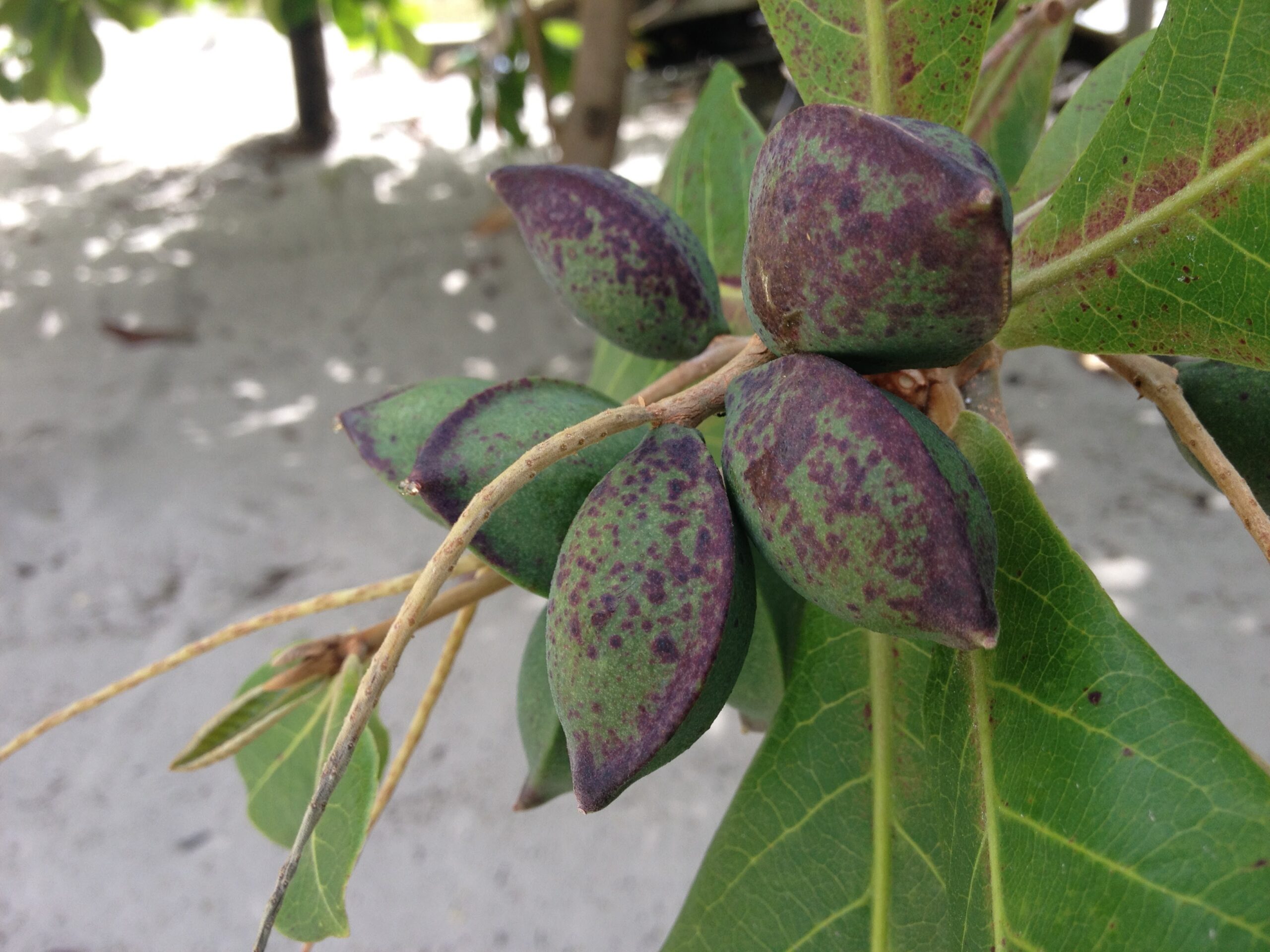
Cacao: The Ancient Medicine in Your Chocolate Bar
In our modern quest for wellness, we often overlook one of history’s oldest and most delicious remedies: cacao. Long before it became the star of desserts and candy aisles, cacao was revered as a sacred medicine by ancient Mesoamerican civilizations. Today, science is catching up to what the Maya and Aztecs knew—that cacao is far more than just a treat.
A Rich History of Healing
For over 3,000 years, cacao has been used medicinally. The Maya referred to it as “food of the gods” and consumed it as a bitter, spiced drink during rituals and healing ceremonies. Aztec physicians prescribed cacao for ailments ranging from fatigue and digestive issues to skin conditions. When cacao arrived in Europe in the 16th century, it was initially sold in apothecaries as a strengthening tonic.
The Science Behind the Magic
Modern research has identified over 300 bioactive compounds in high-quality cacao, making it one of the most chemically complex foods on Earth. Here are some of its most notable medicinal properties:
1. Cardiovascular Champion
Cacao is exceptionally rich in flavanols—antioxidants that improve blood flow, lower blood pressure, and reduce the risk of heart disease and stroke. Studies show that regular consumption of high-flavanol cacao can improve endothelial function, essentially helping your blood vessels relax.
2. Mood Medicine
Cacao contains several compounds that positively affect mood:
- Phenylethylamine (PEA): Sometimes called the “love chemical,” it promotes feelings of well-being and alertness.
- Anandamide: Known as the “bliss molecule,” this neurotransmitter binds to the same receptors as THC.
- Tryptophan: A precursor to serotonin, our primary mood-regulating neurotransmitter.
- Magnesium: This essential mineral, abundant in cacao, helps regulate stress responses and promotes relaxation.
3. Cognitive Enhancer
The improved blood flow from cacao flavanols benefits the brain as well. Research suggests regular cacao consumption may enhance cognitive function, particularly in older adults, and potentially offer protective effects against neurodegenerative diseases.
4. Anti-Inflammatory Powerhouse
The antioxidants in cacao help combat oxidative stress and inflammation at the cellular level, which is at the root of many chronic diseases.
5. Mineral Rich
Cacao is surprisingly packed with essential minerals, including magnesium (crucial for hundreds of bodily processes), iron, zinc, copper, and manganese.
Cacao vs. Commercial Chocolate: A Critical Distinction
It’s important to distinguish between medicinal cacao and the chocolate most of us know. Commercial chocolate is often highly processed, heated to high temperatures (which destroys beneficial compounds), and loaded with sugar, dairy, and additives. For therapeutic benefits, seek out:
- Raw cacao powder or nibs: Minimally processed and not roasted
- High-percentage dark chocolate (85% or higher): Look for minimal processing and ingredients
How to Incorporate Medicinal Cacao
- Ceremonial-grade drink: Mix raw cacao powder with hot water (not boiling to preserve nutrients), a touch of natural sweetener, and spices like cinnamon or cayenne.
- Smoothie booster: Add a tablespoon of raw cacao to your morning smoothie.
- Nib toppings: Sprinkle cacao nibs on yogurt, oatmeal, or fruit.
- Mindful dark chocolate: Enjoy a square or two of high-quality dark chocolate as a meditation in mindful eating.
A Note of Caution
Cacao does contain caffeine and theobromine, stimulants that some people may be sensitive to. It’s also calorie-dense, so moderation is key—typically 1-2 tablespoons of powder or 20-30 grams of dark chocolate daily for therapeutic benefits.
Embracing Cacao Consciously
As we rediscover cacao’s medicinal legacy, we’re invited to shift our relationship with this plant from one of mere consumption to one of reverence. Whether enjoyed as a morning ritual or a mindful moment of pause, cacao offers us a rare combination of pleasure and healing—a reminder that sometimes, medicine can be delicious.
The information in this article is for educational purposes and not intended as medical advice. Consult with a healthcare professional before making significant changes to your diet, especially if you have health conditions.