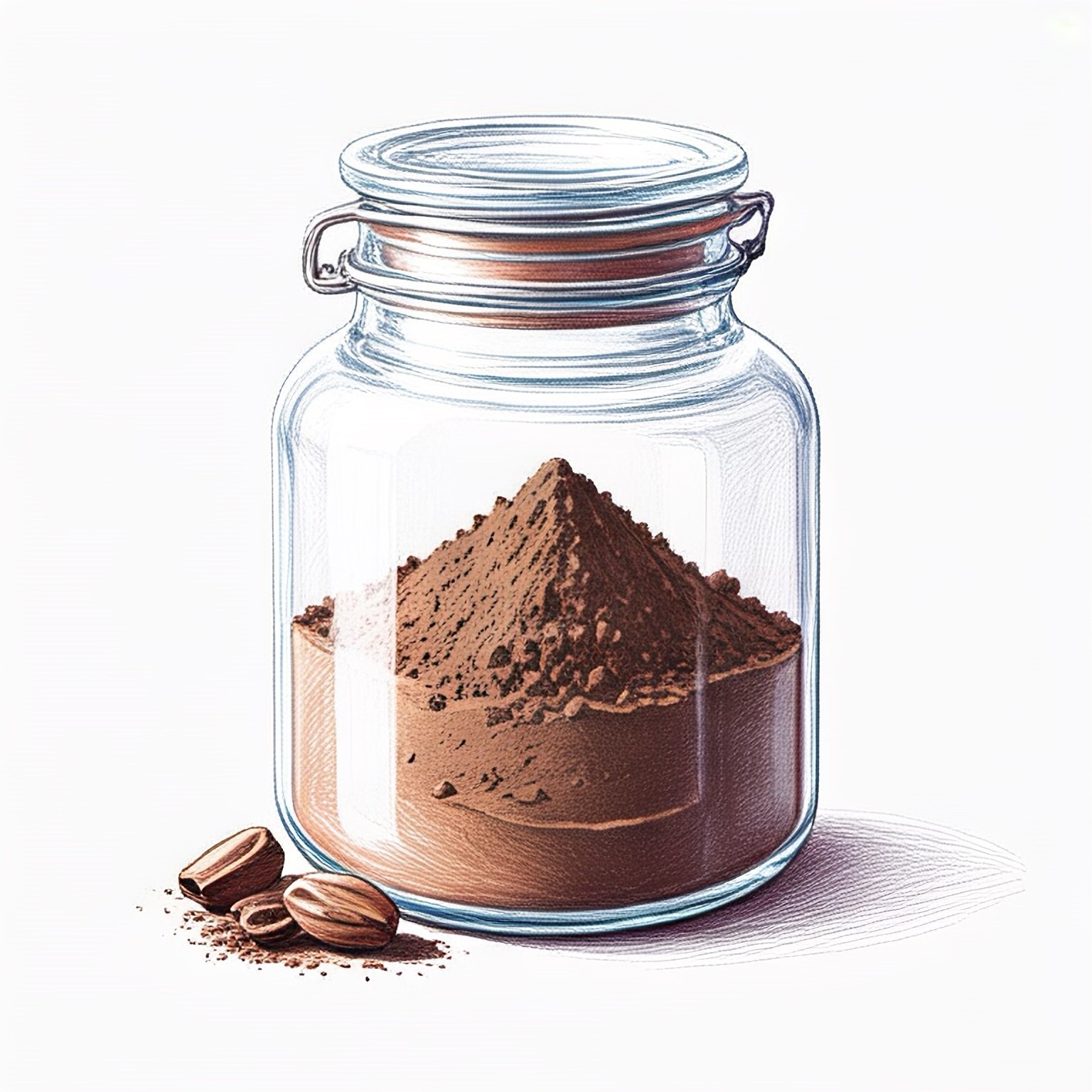
You might think of cocoa as just the tasty base for chocolate bars or hot cocoa on a cold day. But emerging research suggests that cocoa flavanols — the bioactive compounds abundant in minimally processed cocoa — could offer real benefits for aging muscles and overall physical function.
A standout 2019 double-blind, randomized controlled trial (published in The Journals of Gerontology: Series A, PMID: 31056655) put this idea to the test in older adults. Here’s what the science showed — and what it might mean for everyday life.
The Study at a Glance
Researchers recruited 74 adults with an average age of ~76 years. Participants were generally healthy but showing typical age-related declines in strength and mobility. They were randomly assigned to one of two groups for 8 weeks:
- Intervention group: Daily drink made with ~22 g of natural cocoa powder rich in flavanols (~993 mg total flavanols per day).
- Control group: A similar-tasting, flavanol-poor cocoa drink (placebo).
Neither the participants nor the researchers knew who got which version — classic double-blind design.
Key Results — Statistically Significant Improvements
After just 8 weeks, the high-flavanol cocoa group showed meaningful gains compared to placebo:
- Grip strength increased by an average of 1.7 kg (a clinically relevant improvement for daily tasks like opening jars or using tools).
- Muscle mass index improved (indicating better preservation or slight gains in lean tissue relative to height).
- All four physical function tests showed better performance:
- Longer distance on the 6-minute walk test (up ~35 meters on average — that’s the length of a basketball court!).
- Faster times or better scores on balance, chair stand, and other mobility measures.
- Blood markers told a story too: reduced oxidative stress, lower inflammation (e.g., decreased IL-6), and signs of improved mitochondrial function and blood flow to muscles (from related biopsy data in similar studies).
These aren’t massive bodybuilder-level changes, but for someone in their 70s or 80s, even modest improvements in grip strength and walking distance can translate to greater independence, fewer falls, and better quality of life.
How Might Cocoa Flavanols Help Aging Muscles?
The leading explanations center on cocoa flavanols’ well-documented biological effects:
- Better blood vessel function → improved delivery of oxygen and nutrients to muscles during activity.
- Reduced oxidative stress and chronic inflammation → less muscle damage and faster recovery over time.
- Mitochondrial support → healthier energy production inside muscle cells.
- Anti-inflammatory signaling → lower levels of cytokines like IL-6 that contribute to muscle loss (sarcopenia).
Importantly, these benefits appeared without requiring intense exercise — though combining cocoa with resistance training would likely amplify results.
Important Caveats and Real-World Tips
Not all cocoa is created equal. Most commercial chocolate is heavily processed, alkalized (“Dutch-processed”), and loaded with sugar/fat, stripping away most flavanols.
- Choose wisely: Opt for natural, non-alkalized cocoa powder or high-flavanol extracts. Brands frequently recommended in nutrition communities for lower heavy metal content include Taza, Navitas, or certain tested supermarket options (always check recent ConsumerLab or similar third-party tests for lead/cadmium levels, as cocoa can accumulate metals from soil).
- Dosage reality: The study used ~993 mg flavanols daily — achievable with 20–30 g of high-quality natural cocoa powder mixed into smoothies, oatmeal, or yogurt. That’s roughly 2–3 tablespoons.
- Not a magic bullet: Supplements (or cocoa) work best alongside protein-rich meals, strength training, and adequate vitamin D/calcium. No single food reverses aging entirely.
- Safety note: Cocoa is generally safe, but high doses can interact with certain medications or cause mild GI upset. Consult a doctor if you have concerns.
Bottom Line
This 2019 RCT adds to a growing body of evidence that cocoa flavanols can meaningfully support physical function in older adults — improving grip strength, mobility, and possibly helping counteract sarcopenia.
It’s one more reason to treat yourself to a high-quality cocoa drink… guilt-free. Pair it with some resistance bands or a walk, and you might just feel a bit stronger and steadier.
Have you tried adding unsweetened cocoa powder to your routine? Share your experience below — I’d love to hear!
(Sources: Primary study — Munguía et al., 2019, J Gerontol A Biol Sci Med Sci; related cocoa flavanol research on endothelial function, inflammation, and muscle perfusion.)