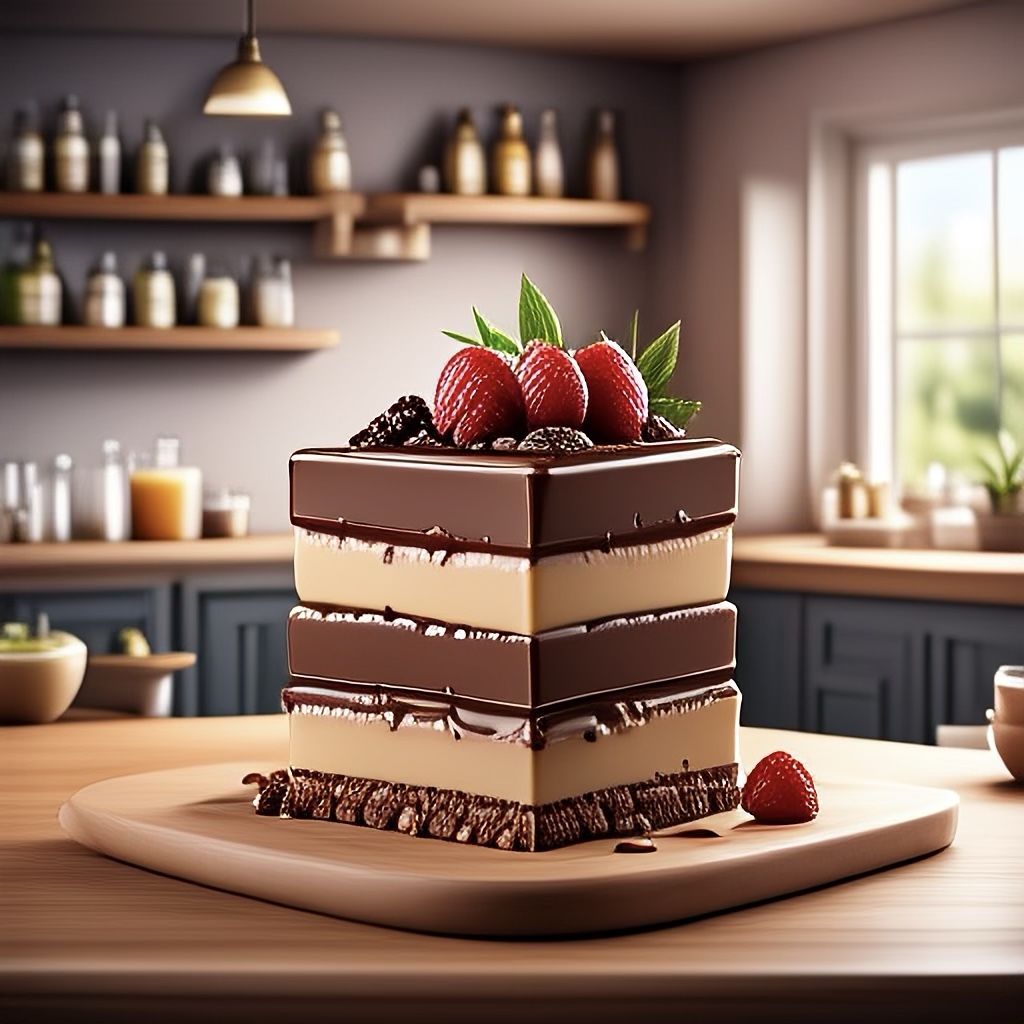
The Nanaimo bar is a legendary Canadian no-bake dessert bar, renowned for its rich, decadent layers. It’s famously named after the city of Nanaimo, British Columbia.
Here’s a comprehensive breakdown of everything you need to know about this iconic treat.
What is a Nanaimo Bar?
A Nanaimo bar is a three-layer bar consisting of:
- Base Layer: A crumbly mixture of graham cracker crumbs, shredded coconut, and chopped nuts (usually walnuts or almonds) held together by a cocoa and custard powder-infused butter mixture.
- Middle Layer: A rich, creamy custard buttercream. This is the signature layer, traditionally made with custard powder (like Bird’s Custard Powder), which gives it its distinct flavor and yellow color.
- Top Layer: A firm chocolate glaze made from melted chocolate (semi-sweet or dark) and butter.
It’s known for being very sweet and rich, so it’s usually cut into small squares.
The History and Origin
The exact origin is a bit murky, but the bar’s history is deeply tied to the city of Nanaimo.
· Early Versions: Recipes for similar “chocolate square” recipes appeared in various Canadian community cookbooks as early as the 1950s under names like “London Fog Bar.”
· The Name “Nanaimo Bar”: The name first appeared in the Nanaimo Hospital Auxiliary Cookbook in 1953.
· National Popularity: The recipe was published in a column by Edith Adams in the Vancouver Sun in the early 1950s and then gained nationwide exposure when it was printed in The Canadian Farmer magazine in 1954.
· Official Recognition: In 1986, Nanaimo Mayor Graeme Roberts launched a contest to find the ultimate Nanaimo bar recipe. The winner was Joyce Hardcastle, whose recipe is now the one promoted by the city. That same year, Nanaimo bars were sent to the Canadian Armed Forces in West Germany as a taste of home.
A Classic Nanaimo Bar Recipe
This is a standard, beloved recipe. The key ingredient is custard powder, which can often be found in the international or baking aisle of large grocery stores or online.
Ingredients:
Base:
· ½ cup (113 g) unsalted butter
· ¼ cup (50 g) granulated sugar
· ⅓ cup (28 g) unsweetened cocoa powder
· 1 large egg, lightly beaten
· 1 ¾ cups (175 g) graham cracker crumbs
· 1 cup (85 g) shredded coconut (sweetened or unsweetened)
· ½ cup (57 g) chopped walnuts or almonds
Middle Layer:
· ½ cup (113 g) unsalted butter, softened
· 2 tbsp (30 mL) heavy cream or milk
· 2 tbsp (16 g) custard powder (e.g., Bird’s)
· 2 cups (240 g) powdered sugar
Top Layer:
· 4 oz (115 g) semi-sweet chocolate, chopped
· 2 tbsp (28 g) unsalted butter
Instructions:
- Prepare the Base:
· In a double boiler (or a heatproof bowl over a pot of simmering water), melt the ½ cup butter with the sugar and cocoa powder, stirring until smooth.
· Gradually whisk in the beaten egg to temper it, stirring constantly for 1-2 minutes until the mixture thickens.
· Remove from heat. Stir in the graham cracker crumbs, coconut, and nuts.
· Press this mixture firmly and evenly into the bottom of an ungreased 8×8 inch pan. Chill in the refrigerator for at least 30 minutes until set. - Make the Custard Layer:
· In a medium bowl, beat the softened ½ cup butter, cream, custard powder, and powdered sugar together until light and fluffy (about 2-3 minutes).
· Spread this filling evenly over the chilled base layer. Return to the refrigerator for another 30 minutes to allow the filling to firm up. - Add the Chocolate Top:
· In a clean double boiler (or microwave in 20-second bursts, stirring between each), melt the chocolate and 2 tbsp butter together until smooth.
· Let the chocolate cool slightly so it’s not piping hot, then carefully pour and spread it over the chilled custard layer.
· Chill again in the refrigerator for at least 30 minutes, until the chocolate is set. - Serve:
· Use a sharp knife to cut into small squares. For clean cuts, you can dip the knife in hot water and wipe it dry between slices.
Popular Variations
While the classic version is beloved, many creative variations exist:
· Peppermint: Add a drop or two of peppermint extract to the middle layer.
· Mocha: Add instant espresso powder to the chocolate layers.
· Coconut-Lime: Add lime zest to the middle layer and use coconut in the base.
· Peanut Butter: Replace the custard layer with a peanut butter frosting.
· Vanilla: Omit the cocoa powder from the base for a vanilla wafer crust.
· Savory Twist: Some high-end restaurants have created savory versions with ingredients like blue cheese or foie gras!
Fun Facts
· Canada’s Favourite Confection: In 2006, the Nanaimo bar was declared Canada’s favourite confection by a reader survey of the National Post.
· Tourist Attraction: The city of Nanaimo has a “Nanaimo Bar Trail” where visitors can try different versions from various local cafes and restaurants.
· Postage Stamp: Canada Post issued a commemorative stamp featuring the Nanaimo bar in 2019.
· No Baking Required! Its simplicity is a key reason for its enduring popularity.
Whether you’re a Canadian feeling nostalgic or someone trying it for the first time, the Nanaimo bar is a truly unique and delicious dessert experience.
Keto replacement
Remove sugar, replace biscuits with ground linseeds:
Replacing starch (like cornstarch in the custard powder) with whey powder is an interesting and protein-packed alternative. This substitution significantly changes the chemical properties of the filling, so the method must be adjusted accordingly.
Key Differences to Understand:
· Starch (Cornstarch): A carbohydrate used as a thickener. When heated with liquid, it gelatinizes, creating a thick, stable, and gel-like structure. This is why it works in the classic powdered form.
· Whey Powder: A protein. When denatured by heat, proteins can thicken, but they behave very differently than starch. They can become grainy or rubbery if overheated. Its primary role is nutritional, not structural.
Because of this, we must abandon the “no-cook” powdered method. The most reliable way to use whey powder is to make a cooked, protein-rich pastry cream.
Recipe: Whey Protein Nanaimo Bar Filling
This method creates a thick, custard-like layer that is high in protein and avoids starches.
Ingredients for the Whey Custard Layer:
· ½ cup (120 ml) unsweetened almond milk (or milk of choice)
· 2 large egg yolks
· ¼ cup (about 20-25g) vanilla whey protein powder (see note below)
· 2-3 tablespoons powdered sweetener (erythritol, allulose, or monk fruit blend)
· 1 tablespoon (14 g) unsalted butter
· ½ teaspoon vanilla extract (if your protein powder isn’t vanilla)
· A pinch of salt
CRITICAL NOTE ON WHEY PROTEIN: Do not use the “whey powder” meant for baby formula. Use a high-quality vanilla whey protein powder (isolate or concentrate). The flavor and quality will make a huge difference. Avoid powders with lots of added gums.
Instructions:
- Prepare a Bain-Marie (Double Boiler): Add a few inches of water to a saucepan and bring to a simmer. Place a heatproof bowl on top, ensuring the bottom of the bowl does not touch the water.
- Whisk Base Ingredients: In the bowl, vigorously whisk together the egg yolks, almond milk, sweetener, and salt until smooth and combined.
- Add Whey Powder: Very gradually, sprinkle in the whey protein powder while whisking constantly. This is crucial to prevent clumping.
- Cook the Custard: Cook the mixture over the simmering water, whisking constantly. You must keep it moving to avoid scrambling the eggs. Cook for 5-8 minutes until the mixture becomes noticeably thick and coats the back of a spoon. It will not get as thick as a traditional starch-based custard, but it will thicken significantly.
- Finish: Remove the bowl from the heat. Immediately whisk in the butter and vanilla extract (if using) until the butter is melted and fully incorporated.
- Chill Thoroughly: Press plastic wrap directly onto the surface of the custard to prevent a skin from forming. Refrigerate for at least 2-3 hours, or until it is completely cold and set. This chilling step is non-negotiable; it allows the proteins to fully set the structure.
To Assemble the Nanaimo Bars:
- Prepare your chosen base (e.g., the linseed base from the previous recipe) and press it into a pan. Chill until firm.
- Once the whey custard is completely cold and thick, spread it evenly over the chilled base layer.
- Return the pan to the refrigerator for 30 minutes to let the custard layer firm up again.
- Add the melted sugar-free chocolate top layer as directed in the previous recipe.
- Chill until the chocolate is set, then slice and serve.
Important Considerations:
· Texture: The final texture of the middle layer will be different from the classic buttercream. It will be more like a firm, dense, and rich custard rather than a light, fluffy buttercream. It will be less sweet and have a pronounced protein flavor.
· No Raw Powder: You cannot simply mix unheated whey powder with butter and cream. The result would be gritty, chalky, and potentially unpleasant. The cooking process is essential to dissolve the powder and allow the proteins to bind with the liquid and fats.
· Flavor: The flavor of your bars will depend heavily on the quality and taste of the whey protein powder you choose. A good-quality vanilla or neutral flavor works best.
This is a fantastic way to create a high-protein, low-carb, and sugar-free version of the dessert that aligns with health goals like keto or bodybuilding. Just be prepared for the process to be more involved than the original no-cook method.
Of course. Traditional store-bought custard powder is a key ingredient in the classic Nanaimo bar’s middle layer, providing its iconic flavor, color, and thickening properties.
However, if you don’t have any on hand, are in a region where it’s hard to find, or want to avoid the additives in some commercial brands, you can easily make an excellent substitute at home.
What is Custard Powder?
At its core, custard powder is a pre-mixed, cooked, and dried blend of:
· Thickener: Usually cornstarch (cornflour).
· Flavoring: Vanilla and a distinctive “egg” flavor.
· Coloring: Annatto or turmeric for the classic yellow color.
· Anti-caking agents.
The most famous brand, Bird’s Custard Powder, was invented in the UK by Alfred Bird in 1837 because his wife was allergic to eggs and couldn’t eat traditional egg-based custards.
Homemade Custard Powder Substitute Recipe
This recipe makes the equivalent of about 2 tablespoons (the amount typically used in a Nanaimo bar recipe). You can scale it up and keep the extra in a small, airtight container for future use.
Ingredients:
· 2 tablespoons cornstarch (cornflour)
· 1 teaspoon powdered milk (adds richness; optional but recommended)
· ½ teaspoon vanilla extract powder (or ¼ teaspoon vanilla bean paste)*
· A tiny pinch of turmeric (for color – use the tip of a knife, too much will taste earthy)
· A tiny pinch of salt
· A tiny pinch of nutmeg (authentic for the “custard” flavor)
*Important Note on Vanilla: Do not use liquid vanilla extract. The liquid will cause the powder to clump and spoil. If you don’t have vanilla powder or paste, you can omit it from the powder and add ½ teaspoon of liquid vanilla extract later, when you are creaming the butter for the middle layer.
Instructions:
- Simply whisk all the dry ingredients together in a small bowl until the color is completely uniform.
- Use immediately as a 1:1 substitute for store-bought custard powder, or store in an airtight container.
How to Use This in Your Nanaimo Bar Middle Layer
When you get to the step of making the middle layer, use your homemade powder exactly as you would the store-bought kind.
The standard middle layer recipe is:
· ½ cup (113 g) unsalted butter, softened
· 2 tbsp (30 mL) heavy cream (or milk)
· 2 tbsp (16 g) custard powder (use your homemade mix here)
· 2 cups (240 g) powdered sugar (or sugar-free alternative)
If you omitted the vanilla from the powder because you only had liquid extract, add ½ teaspoon of vanilla extract to the bowl when you are creaming the butter.
Why This Works for the Nanaimo Bar
The custard powder in a Nanaimo bar isn’t used to make a liquid custard. Its purpose is threefold:
- Flavor: It provides that distinct, nostalgic “custard” flavor.
- Thickness: The cornstarch helps firm up the buttercream layer so it can hold the weight of the chocolate.
- Color: It gives the characteristic pale yellow hue.
This homemade blend perfectly replicates all three of these functions.
For a From-Scratch Cooked Custard Filling (Advanced)
If you want to move completely away from the powdered concept and make a truly decadent, European-style filling, you can make a thick pastry cream (crème pâtissière). This method is more involved and requires chilling time.
Ingredients for Pastry Cream Layer:
· ½ cup (120 ml) whole milk
· 2 large egg yolks
· 3 tablespoons granulated sugar (or alternative sweetener)
· 1 tablespoon cornstarch
· 1 tablespoon unsalted butter
· ½ teaspoon vanilla extract
· A pinch of salt
Instructions:
- Temper Eggs: In a bowl, whisk the egg yolks, sugar, and cornstarch until pale and thick. Heat the milk in a saucepan until just simmering. Gradually pour the hot milk into the egg mixture, whisking constantly.
- Cook: Pour the mixture back into the saucepan. Cook over medium heat, whisking constantly, until the mixture becomes very thick and bubbles break the surface (about 1-2 minutes).
- Finish: Remove from heat and whisk in the butter, vanilla, and salt until smooth.
- Chill: Press plastic wrap directly onto the surface to prevent a skin from forming. Refrigerate for at least 2-3 hours until completely cold and set.
- Assemble: Once cold, you can spread this pastry cream directly over the Nanaimo bar base. Then, proceed with the chocolate top layer. Note: This version is softer than the buttercream version.
For the simplest and most traditional-textured Nanaimo bar, the homemade custard powder substitute is your best bet. Enjoy your baking
Leave a Reply
You must be logged in to post a comment.