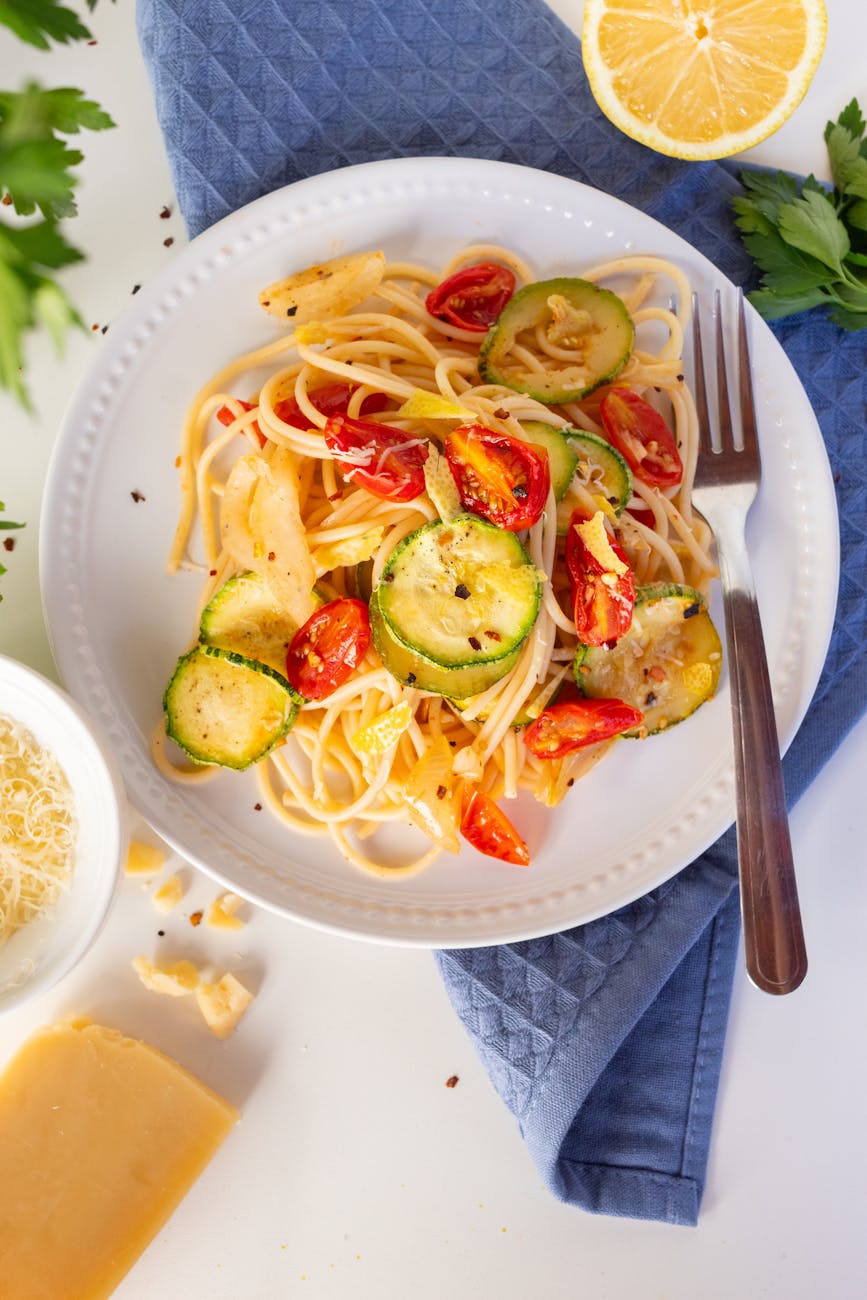
Puttanesca is a classic, bold, and flavorful Italian pasta sauce that’s as famous for its taste as it is for the legends surrounding its name.
Here’s a comprehensive guide to everything Puttanesca.
The Name: A Colorful History
The name “Puttanesca” comes from the Italian word “puttana,” which means “prostitute.” There are a few folk tales about how the sauce got its name:
- The “Quick Dish” Story: It was a quick, cheap, and hearty dish that could be made between clients with pantry staples.
- The “Aromatic Lure” Story: The powerful, pungent aroma of garlic, anchovies, and olives was said to be a lure to draw customers in.
- The “Ugly but Good” Story: It was a dish made by “working women” who, according to the stereotype, were “brutte ma buone” (ugly but good).
Regardless of its origin, the name sticks because it perfectly describes the sauce: bold, pungent, direct, and unpretentious.
The Core Ingredients & Their Role
A true Puttanesca is built on a foundation of strong, salty, and savory flavors. The “holy quartet” is:
- Tomatoes: Typically canned crushed tomatoes or San Marzano tomatoes for a robust base. Some versions use tomato sauce or even fresh, ripe tomatoes.
- Anchovies: Don’t be scared! They dissolve into the sauce, adding a deep, savory, umami richness (not a fishy taste).
- Olives: Black olives (like Gaeta or Kalamata) are traditional. Their briny saltiness is a key component.
- Capers: These small, pickled flower buds add a sharp, salty, and slightly floral tang.
These are then sautéed with:
- Garlic: For aromatic punch.
- Red Pepper Flakes: For a kick of heat.
- Fresh Herbs: Usually oregano or parsley, added at the end.
Classic Puttanesca Recipe
This is a quick recipe, often taking less time to make the sauce than it does to boil the pasta water.
Ingredients:
- 1/4 cup extra-virgin olive oil
- 4-6 anchovy fillets, packed in oil
- 4 cloves garlic, thinly sliced or minced
- 1/2 – 1 tsp red pepper flakes (to your taste)
- 1 (28-oz) can of high-quality crushed tomatoes
- 1/2 cup pitted black olives (Gaeta or Kalamata), roughly chopped
- 1/4 cup capers, rinsed
- 1/2 cup fresh parsley, chopped
- 1 lb (450g) pasta (spaghetti is classic, but linguine, bucatini, or penne also work)
- Salt, to taste (be careful, as the olives, capers, and anchovies are already salty)
Instructions:
- Start the Pasta: Bring a large pot of well-salted water to a boil and cook the pasta until al dente.
- Create the Flavor Base: While the pasta cooks, heat the olive oil in a large skillet over medium heat. Add the anchovies and cook for 2-3 minutes, mashing them with a spoon until they dissolve into the oil.
- Sauté Aromatics: Add the garlic and red pepper flakes to the skillet. Sauté for about 1 minute until the garlic is fragrant but not browned.
- Build the Sauce: Pour in the crushed tomatoes. Add the chopped olives and rinsed capers. Stir everything together and let it simmer for 10-15 minutes, allowing the flavors to meld.
- Combine: Just before the sauce is finished, stir in most of the fresh parsley. Drain the pasta, reserving about a cup of pasta water.
- Finish the Dish: Add the drained pasta directly to the skillet with the sauce. Toss to combine, adding a splash of pasta water if needed to loosen the sauce and help it cling to the pasta. This is called “mantecatura.”
- Serve: Divide among bowls and garnish with the remaining parsley. Serve immediately.
Key Characteristics & Flavor Profile
- Salty: From the olives, capers, and anchovies.
- Savory/Umani: Deep, complex savoriness from the anchovies and tomatoes.
- Tangy: From the tomatoes and capers.
- Spicy: A noticeable kick of heat from the red pepper flakes.
- Bold & Unapologetic: This is not a subtle sauce. Every ingredient makes itself known.
Variations and Tips
- No Anchovies? You can omit them, but you’ll lose a layer of deep, savory flavor. A teaspoon of soy sauce or Worcestershire sauce can provide a hint of umami, but it’s not traditional.
- Olive Choice: While black are traditional, a mix of black and green olives can add complexity.
- Additions: Some modern versions include a handful of toasted breadcrumbs sprinkled on top for crunch, or a splash of the pasta water to make the sauce silkier.
- Wine Pairing: A robust, acidic red wine like a Chianti or Montepulciano d’Abruzzo stands up beautifully to the bold flavors.
In short, Puttanesca is a perfect example of Italian “cucina povera” (poor cooking)—transforming a few simple, pantry staples into a spectacularly delicious and memorable meal.
Leave a Reply
You must be logged in to post a comment.