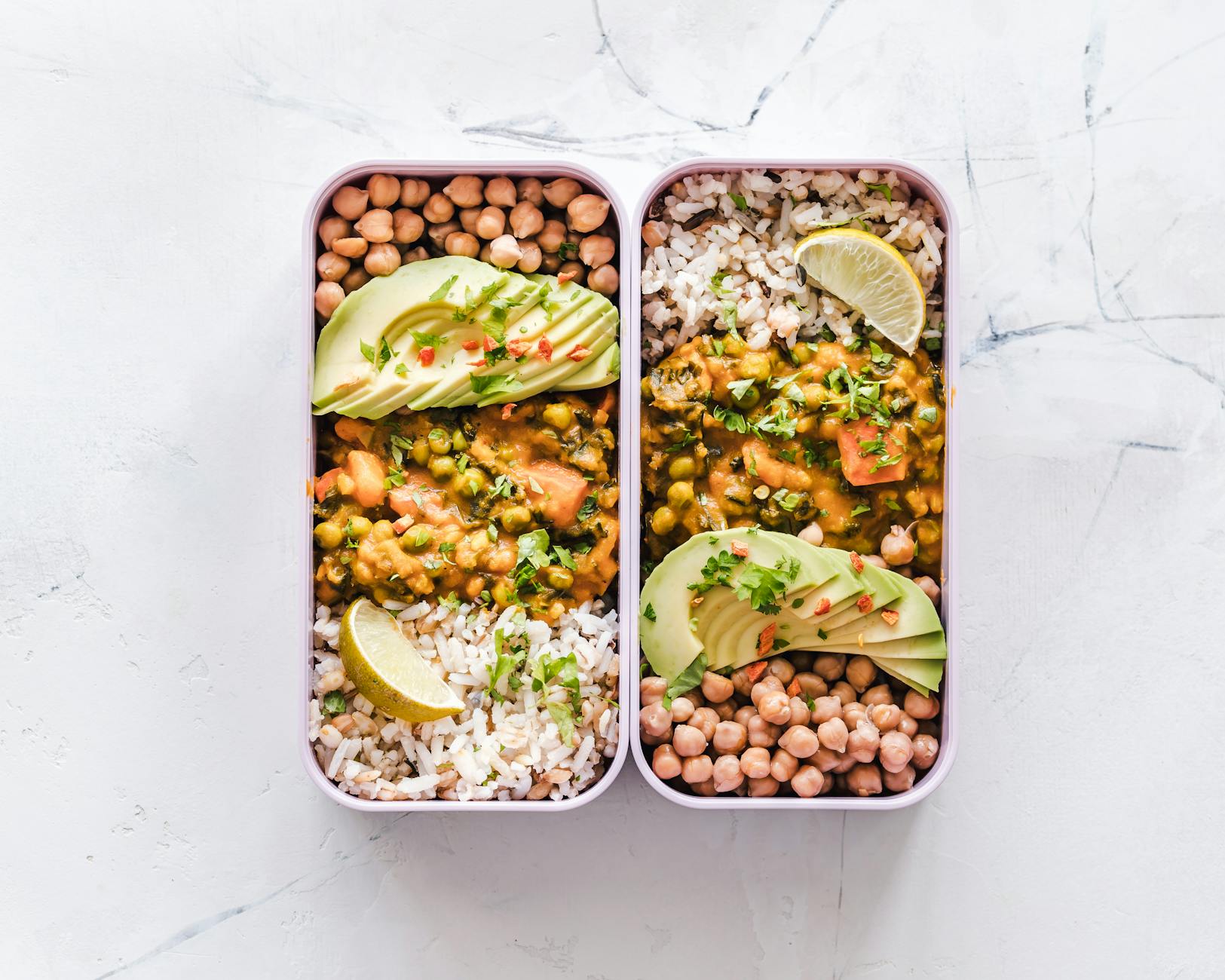
I’ve found some excellent approaches for a 5-day vegan fast, ranging from a structured, science-backed fasting-mimicking diet to more flexible plant-based plans.
Comparing Different Approaches
| Approach | Key Principle | Duration | Calorie Guidance | Core Purpose |
|---|---|---|---|---|
| Fasting Mimicking Diet (FMD) | “Tricks” the body into a fasting state with specific, limited food intake | 5 days | Day 1: ~1,100 kcal<br>Days 2-5: ~800 kcal | Cellular rejuvenation, autophagy, metabolic health |
| Modified Vegan Fast | A vegan, low-calorie diet that mimics the benefits of a longer fast | 5 days | Up to 900 kcal per day | Cellular “clean-up” (autophagy), metabolic reset |
| 5:2 Intermittent Fasting (Vegan) | Normal eating for 5 days, significant calorie restriction on 2 non-consecutive days | 2 fast days per week | 500 kcal (women) / 600 kcal (men) on fast days | Weight loss, improved brain function, heart health |
📝 How to Structure Your 5-Day Plan
Once you’ve chosen an approach, you can structure a daily plan. Here is a sample framework inspired by the DIY Fasting Mimicking Diet:
Day 1 (Transition Day)
A slightly higher calorie intake to ease your body into the fast:
- Breakfast: Green smoothie (spinach, almond milk, chia seeds, ½ cup berries) ~150 kcal
- Lunch: Creamy cauliflower soup ~200 kcal
- Dinner: Stir-fried tofu with sesame oil and non-starchy vegetables ~200 kcal
Days 2-5 (Fasting Days)
Maintain a lower calorie intake:
- Breakfast: Chia pudding made with almond milk and walnuts ~180 kcal
- Lunch: Large salad with mixed greens and olive oil dressing, or blended vegetable soup ~150-220 kcal
- Dinner: Roasted Brussels sprouts with garlic and lemon, or steamed vegetables ~150-200 kcal
💡 Tips for a Successful Fast and Engaging Blog Content
For a Successful Fast:
- Focus on Nutrient Density: Emphasize whole foods like leafy greens, nuts, seeds, and healthy fats. Avoid processed foods and sugars.
- Stay Hydrated: Drink plenty of water. Herbal teas and black coffee (in moderation) are acceptable.
- Manage Expectations: Headaches, fatigue, or hunger are common initially as your body adjusts.
- Transition Gradually: After five days, don’t immediately return to normal diet. Have a transition day with complex carbs.
For Engaging Blog Content:
- Document daily physical and mental feelings
- Compare energy levels throughout the fast
- Discuss the challenge of managing hunger
- Review scientific claims behind these diets
⚠️ Important Safety Considerations
Consult a doctor before starting any restrictive diet.
The following individuals should avoid a 5-day vegan fast:
- Pregnant or breastfeeding women
- Individuals with a history of eating disorders
- Those who are underweight, malnourished, or have low BMI
- People with advanced diabetes, low blood pressure, or compromised immune system
I hope these ideas provide a solid foundation for your blog post! Which approach to the 5-day vegan fast are you leaning towards exploring?
Rewrite in md: I’ve found some excellent approaches for a 5-day vegan fast, ranging from a structured, science-backed fasting-mimicking diet to more flexible plant-based plans. The table below compares the core concepts to help you choose the right path for your blog.
Approach Key Principle Duration Calorie Guidance Core Purpose
Fasting Mimicking Diet (FMD) “Tricks” the body into a fasting state with specific, limited food intake. 5 days Day 1: ~1,100 kcal, Days 2-5: ~800 kcal Cellular rejuvenation, autophagy, metabolic health
Modified Vegan Fast A vegan, low-calorie diet that mimics the benefits of a longer fast. 5 days Up to 900 kcal per day Cellular “clean-up” (autophagy), metabolic reset
5:2 Intermittent Fasting (Vegan) Normal eating for 5 days, significant calorie restriction on 2 non-consecutive days. 2 fast days per week 500 kcal (women) / 600 kcal (men) on fast days Weight loss, improved brain function, heart health
📝 How to Structure Your 5-Day Plan
Once you’ve chosen an approach, you can structure a daily plan. Here is a sample framework inspired by the DIY Fasting Mimicking Diet, which focuses on low-calorie, nutrient-dense, and entirely plant-based foods.
· Day 1 (Transition Day): A slightly higher calorie intake to ease your body into the fast.
· Breakfast: A green smoothie (spinach, almond milk, chia seeds, ½ cup berries) ~150 kcal.
· Lunch: Creamy cauliflower soup ~200 kcal.
· Dinner: Stir-fried tofu with sesame oil and non-starchy vegetables ~200 kcal.
· Days 2-5 (Fasting Days): Maintain a lower calorie intake.
· Breakfast: Chia pudding made with almond milk and walnuts ~180 kcal.
· Lunch: A large salad with mixed greens and an olive oil-based dressing, or a blended vegetable soup ~150-220 kcal.
· Dinner: Roasted Brussels sprouts with garlic and lemon, or a small portion of steamed vegetables ~150-200 kcal.
💡 Tips for a Successful Fast and Engaging Blog Content
To ensure both a successful personal experience and compelling blog material, consider these points:
· Focus on Nutrient Density: Since calories are limited, every bite should count. Emphasize whole foods like leafy greens, nuts, seeds, and healthy fats like olive oil and avocado. Avoid processed foods, sugars, and high-lectin foods like beans unless they are properly prepared (soaked and pressure-cooked).
· Stay Hydrated: Drink plenty of water. Herbal teas and black coffee (in moderation, without sugar) are generally acceptable during fasting periods.
· Manage Expectations and Side Effects: It’s common to experience headaches, fatigue, or hunger, especially in the first few days, as your body adjusts. Planning light activities and keeping busy can help take your mind off food.
· Transitioning Out of the Fast: After the five days, don’t immediately return to your normal diet. Have a transition day with a normal-calorie, plant-based meal that includes complex carbs like sweet potatoes or lectin-free grains to gently reintroduce your digestive system to more food.
· Blogging Angles: You could document your daily physical and mental feelings, compare your energy levels, or discuss the challenge of managing hunger. Reviewing the scientific claims behind these diets can also make for interesting content.
⚠️ Important Safety Considerations
Your blog should always emphasize safety. This information is for educational purposes, and it is crucial to consult a doctor before starting any restrictive diet.
The following individuals should avoid a 5-day vegan fast:
· Pregnant or breastfeeding women.
· Individuals with a history of eating disorders.
· Those who are underweight, malnourished, or have a low BMI.
· People with certain medical conditions such as advanced diabetes, low blood pressure, or a compromised immune system, unless closely supervised by a doctor.
I hope these ideas provide a solid foundation for your blog post! Which approach to the 5-day vegan fast are you leaning towards exploring?
Dr. Gundry’s 5-Day Modified Vegan Fast: Complete Guide
Dr. Gundry’s 5-day modified vegan fast is a specific protocol designed to mimic the benefits of fasting while still allowing you to eat. The core idea is to eliminate all animal protein and certain plant-based foods for five days to promote cellular renewal and improve metabolic health.
Dietary Guidelines Overview
| Principle/Food Category | Key Points | Gundry’s Rationale |
|---|---|---|
| Core Principle | Eliminate animal protein for 5 days | Reduces IGF-1 & mTOR activity; promotes cellular renewal, metabolic health |
| Proteins | Avoid all meat, dairy, eggs | Animal proteins raise IGF-1, linked to aging/cancer |
| Grains & Starches | Avoid most (wheat, rice, corn) | High in lectins, promote inflammation |
| Legumes | Avoid beans, lentils, peanuts. Pressure-cooked lentils/beans sometimes allowed | Contain lectins; pressure cooking reduces them |
| Nuts & Seeds | Avoid most (cashews, chia, pumpkin/sunflower seeds). Limited macadamia, walnuts, pecans, flaxseed, sesame, hemp seeds allowed | Approved nuts/seeds are lower in problematic lectins |
| Vegetables | Avoid nightshades (tomatoes, peppers, eggplant). Peel/deseed if eating | Nightshade skins/seeds high in lectins |
| Fruits | Avoid most fruits. Avocado, berries in moderation allowed | High sugar content; berries/avocado lower sugar, high nutrients |
📝 How to Approach Your 5-Day Fast
While there isn’t a specific day-by-day meal plan for the 5-day fast, you can structure your own using the approved foods and principles from Dr. Gundry’s overall Plant Paradox program.
Sample Daily Structure
- Breakfast: Green smoothie
- Lunch: Large salad with olive oil-based dressing
- Dinner: Steamed or roasted approved vegetables with plant-based protein like hemp tofu
- Snacks: Handful of approved nuts, guacamole in romaine lettuce boats, or avocado
Cooking and Preparation
- Soaking, peeling, and deseeding are emphasized to reduce lectins
- Pressure cooker recommended for cooking permitted legumes
- Focus on proper food preparation methods
💡 Important Considerations and Potential Pitfalls
Criticism of the Science
- The broader Plant Paradox diet has been criticized for being excessively restrictive
- Limited evidence supports avoiding all lectin-containing foods
- Many nutrition scientists argue that beans and whole grains are highly nutritious when properly prepared
Potential Nutritional Shortfalls
- Strict vegan version requires careful planning
- Supplement with Vitamin B12
- Ensure adequate Omega-3s from sources like ground flaxseed
- Dr. Gundry notes some of his least healthy patients were vegans not eating correctly
Professional Consultation
- Consult with a doctor or registered dietitian before beginning
- Especially crucial if you have underlying health conditions
- Individual needs may vary significantly
I hope this detailed overview helps you understand Dr. Gundry’s suggestions for a 5-day vegan fast. Would you like me to help brainstorm some specific meal ideas using the “Yes” list foods?
Leave a Reply
You must be logged in to post a comment.