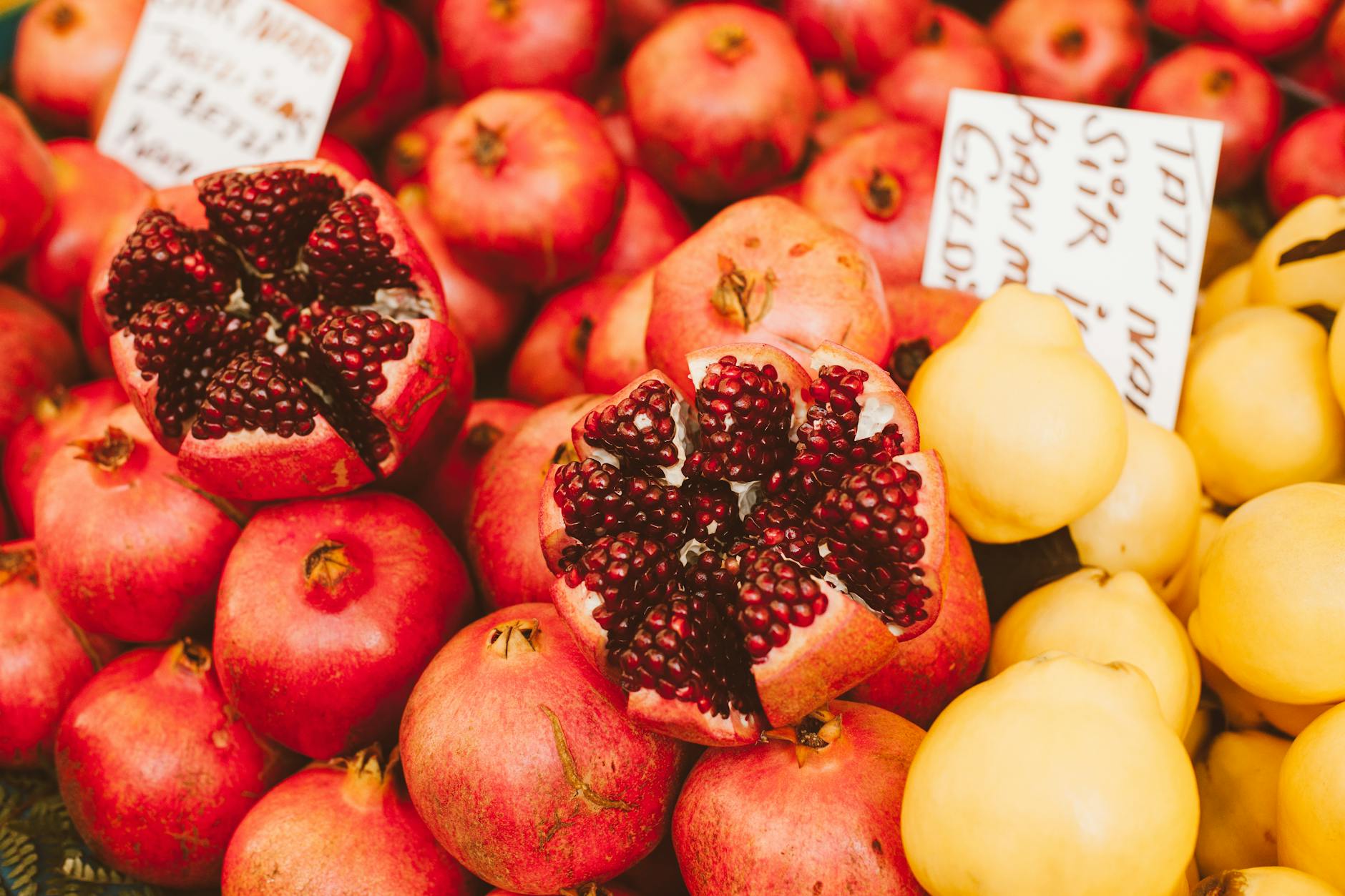
Quince jelly is a true gem of the preserves world. With its stunning rose-pink color, fragrant aroma, and uniquely tart, floral flavor, it’s a step above more common fruit jellies.
Here’s a comprehensive guide to making your own, from a classic recipe to troubleshooting and serving ideas.
The Magic of Quince Jelly
Unlike most fruits, quince is inedible raw—it’s hard, sour, and astringent. But when cooked with sugar, it undergoes a magical transformation:
- It turns color: The pale yellow flesh softens to a pinkish-orange and the juice turns a deep, rosy amber.
- It develops flavor: The sharpness mellows into a complex, floral, and slightly tropical taste (often compared to a cross between an apple and a pear).
- It sets beautifully: Quince is naturally very high in pectin, guaranteeing a firm, clear jelly with no need for added pectin.
Classic Quince Jelly Recipe
This is the traditional, foolproof method. The key is to extract the juice first.
Yield: About 4-5 small jars (8 oz / 250 ml each)
Prep time: 30 minutes
Cooking time: 1.5 – 2 hours (plus overnight steeping)
Ingredients
- 2 kg (about 4.5 lbs) ripe quinces – Look for fruits that are fragrant and yellow with little to no green.
- Water – Enough to cover the quinces (roughly 2-3 liters / 8-12 cups)
- Granulated Sugar – Measure the resulting juice (see step 4). You will need an equal volume of sugar to juice.
Equipment
- Large preserving pan or a wide, heavy-bottomed stockpot (not aluminum or copper)
- Cheesecloth or a jelly bag
- Large bowl
- Jam thermometer (optional but helpful)
- Saucers (for the chill test)
- Clean, sterilized jars and lids
Instructions
- Prepare the Quinces: Wash the quinces well to remove their fuzzy skin. Do not peel or core! The peel and core contain the most pectin and flavor. Chop them roughly into 1-inch chunks. Don’t worry about browning.
- Cook to Extract Juice: Place the chopped quince in the large pot and cover with water. Bring to a boil, then reduce the heat and simmer, partially covered, for about 1 to 1.5 hours, until the fruit is very soft and mushy.
- Strain the Juice: Line a colander or a large bowl with a double layer of cheesecloth or a jelly bag. Carefully pour the quince pulp and liquid into the bag. Do not squeeze the bag! Let it drip slowly into the bowl for several hours or, ideally, overnight. Squeezing will make your jelly cloudy.
- Measure the Juice and Sugar: The next day, you will have a beautiful, clear, amber-colored juice. Measure it precisely. Pour the juice into your clean preserving pan. For every 1 cup (250 ml) of juice, add 1 cup (200g) of sugar.
- Cook the Jelly: Heat the juice and sugar over medium heat, stirring until the sugar dissolves. Once dissolved, turn the heat up to high and bring to a rolling boil. Boil vigorously, without stirring, until it reaches the setting point. This can take 15-25 minutes. Skim off any pink foam that rises to the top.
- Test for Setting Point (Jell Stage):
- Thermometer: The jelly should reach 220°F (104°C) at sea level.
- Saucer Test (Chill Test): This is the most reliable method. Place a few saucers in the freezer. After boiling for 15 minutes, drop a small spoonful of jelly onto a cold saucer. Let it sit for a minute, then push it with your finger. If it wrinkles, it’s set. If not, continue boiling and test again every few minutes.
- Jar and Seal: Once set, remove the pot from the heat. Let it sit for a minute to allow the fruit pieces to settle. Skim off any last bits of foam. Carefully pour the hot jelly into your sterilized jars, leaving a ¼-inch headspace. Wipe the rims, seal tightly with lids, and process in a boiling water bath for 10 minutes (for long-term storage) or simply let them cool on the counter. You will hear the satisfying “pop” of the lids sealing.
Troubleshooting & Pro Tips
- My Jelly Didn’t Set: This is rare with quince, but if it happens, it’s usually because you didn’t boil it long enough. You can re-boil the jelly. Alternatively, you have a delicious quince syrup for pancakes or cocktails!
- My Jelly is Cloudy: This is caused by squeezing the jelly bag. The jelly will still taste wonderful, it just won’t be crystal clear.
- Too Much Foam: Skim the foam during cooking. A small pat of butter (about ½ tsp) added to the pot when you add the sugar can help reduce foaming.
- Not Pink Enough? The color develops with cooking. The longer you boil the jelly, the deeper the pink/red color will become.
How to Serve Quince Jelly
Quince jelly is incredibly versatile:
- With Cheese: This is its classic pairing. It’s sublime with a sharp, salty cheese like Manchego, Pecorino, or a mature Cheddar. It also pairs beautifully with creamy blue cheeses and soft goat cheese.
- With Roasted Meats: A dollop alongside roast pork, lamb, or chicken is a game-changer. It’s the perfect balance to savory, fatty flavors.
- On Toast & Pastries: Of course, it’s delicious on your morning toast, scones, or crumpets.
- As a Glaze: Thin it out with a little water or vinegar and use it to glaze a ham, roast vegetables, or baked brie.
- With Strong Pâtés: Its sweetness cuts through the richness of liver pâtés and terrines.
Enjoy the process and the incredible reward of making one of the most beautiful and delicious preserves there is
Leave a Reply
You must be logged in to post a comment.