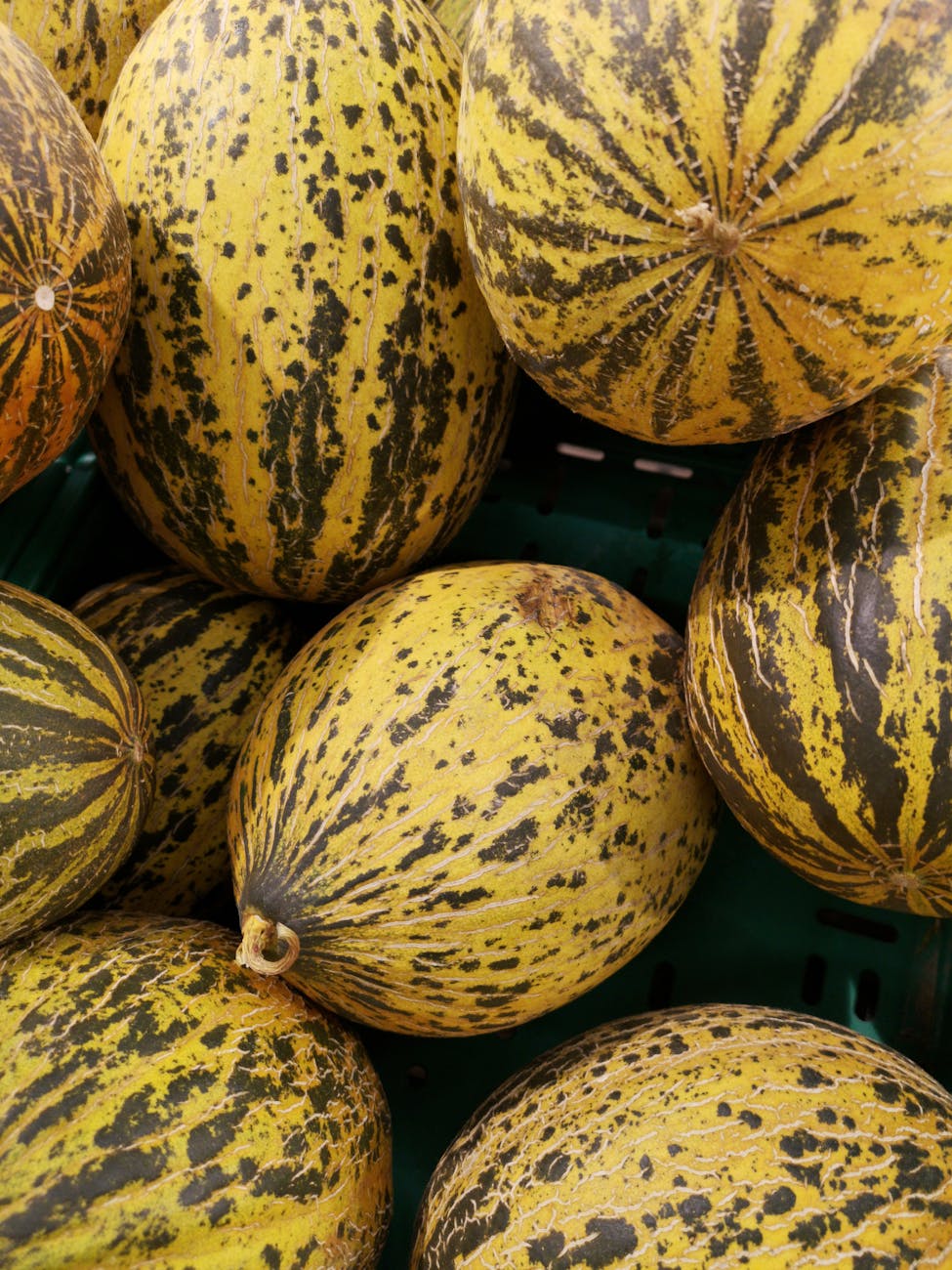
Of course! The short answer is yes, Egusi melon is absolutely edible, but with a very important clarification.
When people say “Egusi melon,” they are almost always referring to the seeds of the melon, not the flesh.
Here’s a detailed breakdown of its edibility and uses:
1. The Seeds (The Main Event)
This is what “Egusi” commercially refers to. The seeds are the primary reason the plant is cultivated.
- Appearance: The seeds are typically white, cream-colored, or light brown, flat, and oval.
- How They Are Eaten:
- Ground into a Paste/Flour: This is the most famous use. The dried seeds are ground into a powder or paste. When cooked, this paste thickens and forms the base for the iconic Egusi Soup (a staple in West African cuisine, especially in Nigeria, Ghana, and Cameroon). It has a unique, nutty, and savory flavor.
- As a Thickening Agent: Similar to how ground almonds or flour are used, ground egusi acts as a superb thickener for soups and stews.
- Roasted or Fried: The seeds can be roasted and eaten as a snack, much like pumpkin seeds or sunflower seeds. They are nutritious and flavorful.
- As a Condiment: Ground egusi is sometimes used as a garnish or ingredient in other dishes for added texture and flavor.
2. The Fruit & Flesh (Less Common)
The melon itself belongs to the same family as watermelon (Citrullus lanatus), but it is a different variety specifically cultivated for its seeds.
- Is the Flesh Edible? Technically, yes, but it is not typically eaten. Unlike a sweet watermelon, the flesh of the egusi melon is usually:
- Bland or Bitter
- Spongy and not very appealing
- Sometimes even slightly toxic if consumed in large quantities when unripe.
Because the value is in the seeds, farmers prioritize varieties that produce abundant seeds, not tasty fruit.
3. The Leaves
In some regions, the young shoots and leaves of the egusi plant are also cooked and eaten as a leafy green vegetable, similar to spinach or pumpkin leaves.
Nutritional Profile of Egusi Seeds
Egusi seeds are not just edible; they are highly nutritious. They are a powerhouse of:
- Protein: An excellent plant-based protein source, crucial for many diets in the region.
- Fats: Rich in healthy fats, including essential fatty acids.
- Minerals: A great source of Magnesium, Potassium, Calcium, Iron, and Zinc.
- Vitamins: Contains B vitamins and Vitamin E.
- Fiber: Good for digestive health.
Summary:
| Part of the Plant | Edible? | Primary Use & Notes |
|---|---|---|
| Seeds | Yes, this is the main product. | Ground for Egusi Soup, roasted as a snack, used as a thickener. Nutty, nutritious. |
| Fruit Flesh | Mostly No | Typically bitter, bland, and spongy. Not cultivated for consumption. |
| Leaves | Yes | Cooked and eaten as a leafy green vegetable in some areas. |
So, when you hear “Egusi,” think of the seeds—a delicious, versatile, and nutritious cornerstone of West African cooking.
Seed benefits
Of course! Egusi seeds are a nutritional powerhouse and incredibly versatile. Here’s a detailed breakdown of their uses and benefits.
Uses of Egusi Seeds
Egusi seeds are primarily used in cooking, but their applications are diverse.
1. Culinary Uses
- Egusi Soup (The Classic Dish): This is the most famous use. The seeds are ground into a fine powder or paste and used as the main ingredient in a thick, hearty, and flavorful soup stewed with leafy vegetables (like bitterleaf or spinach), peppers, onions, palm oil, and various meats or fish. It’s a staple across West Africa.
- As a Thickening Agent: Ground egusi acts as a natural and flavorful thickener for soups, stews, and sauces, similar to how ground nuts or flour are used in other cuisines.
- Roasted or Fried Snack: The seeds can be roasted, fried, or toasted (often with spices) and eaten as a nutritious snack, much like pumpkin seeds or peanuts. They become crispy and have a rich, nutty flavor.
- Egusi Pudding (
“Ogbono Egusi” or “Egusi Agidi”): In some regions, ground egusi is mixed with water, spices, and sometimes other flours, then steamed or baked into a firm, savory pudding or cake. - Condiment and Garnish: Whole or coarsely ground roasted egusi seeds are sprinkled over salads, rice dishes, or porridges to add a crunchy texture and a nutty flavor boost.
- Egusi Oil: The seeds are oil-rich and can be pressed to produce a flavorful, nutritious oil used for cooking or as a dressing.
- Flour for Baking: The ground seed meal can be incorporated into baked goods to enhance their protein and nutrient content.
Health Benefits of Egusi Seeds
The health benefits are linked directly to their impressive nutritional profile.
1. Excellent Source of Plant-Based Protein
- Egusi seeds are composed of about 30-50% protein by weight, making them one of the richest plant-based protein sources available.
- Benefit: Essential for muscle building and repair, hormone production, and overall body maintenance. It is especially valuable in regions where meat is expensive or scarce.
2. Rich in Healthy Fats
- The seeds are rich in unsaturated fats, including both polyunsaturated and monounsaturated fatty acids, particularly linoleic acid (an Omega-6) and oleic acid (an Omega-9).
- Benefit: These fats support heart health by helping to reduce bad cholesterol (LDL) and increase good cholesterol (HDL). They are also crucial for brain function, hormone production, and absorbing fat-soluble vitamins (A, D, E, K).
3. Packed with Essential Minerals
- Magnesium: Crucial for hundreds of biochemical reactions, including nerve function, muscle relaxation, blood sugar control, and blood pressure regulation.
- Zinc: Vital for a strong immune system, wound healing, DNA synthesis, and cell growth.
- Iron: Essential for the production of hemoglobin, which carries oxygen in the blood, preventing anemia and fatigue.
- Potassium: An important electrolyte that helps maintain normal fluid balance, nerve signals, and muscle contractions.
- Calcium & Phosphorus: Work together to build and maintain strong bones and teeth.
4. Good Source of B Vitamins
- Egusi seeds contain B vitamins like Thiamine (B1), Riboflavin (B2), and Niacin (B3).
- Benefit: These vitamins are essential for converting food into energy, maintaining healthy skin and nerves, and supporting overall metabolic function.
5. High in Dietary Fiber
- The seeds contain a good amount of dietary fiber.
- Benefit: Fiber promotes healthy digestion, prevents constipation, and helps maintain stable blood sugar levels by slowing down sugar absorption. It also contributes to a feeling of fullness, which can aid in weight management.
6. Antioxidant Properties
- Egusi seeds contain compounds like Vitamin E and other phytochemicals that act as antioxidants.
- Benefit: Antioxidants help combat oxidative stress in the body by neutralizing free radicals, which can reduce the risk of chronic diseases and support healthy aging.
Summary of Key Nutrients and Benefits
| Nutrient | Key Benefit |
|---|---|
| High-Quality Protein | Muscle repair, growth, and satiety. |
| Unsaturated Fats (Omega-6 & 9) | Heart health, brain function, reduced inflammation. |
| Magnesium | Nerve & muscle function, blood sugar control. |
| Zinc | Boosts immune system, wound healing. |
| Iron | Prevents anemia, boosts energy levels. |
| Dietary Fiber | Promotes digestive health and stable blood sugar. |
| B Vitamins | Energy production and metabolic health. |
In conclusion, egusi seeds are far more than just a soup ingredient. They are a versatile, nutrient-dense superfood that contributes significantly to a healthy diet, offering a powerful combination of protein, healthy fats, and essential minerals.
Leave a Reply
You must be logged in to post a comment.