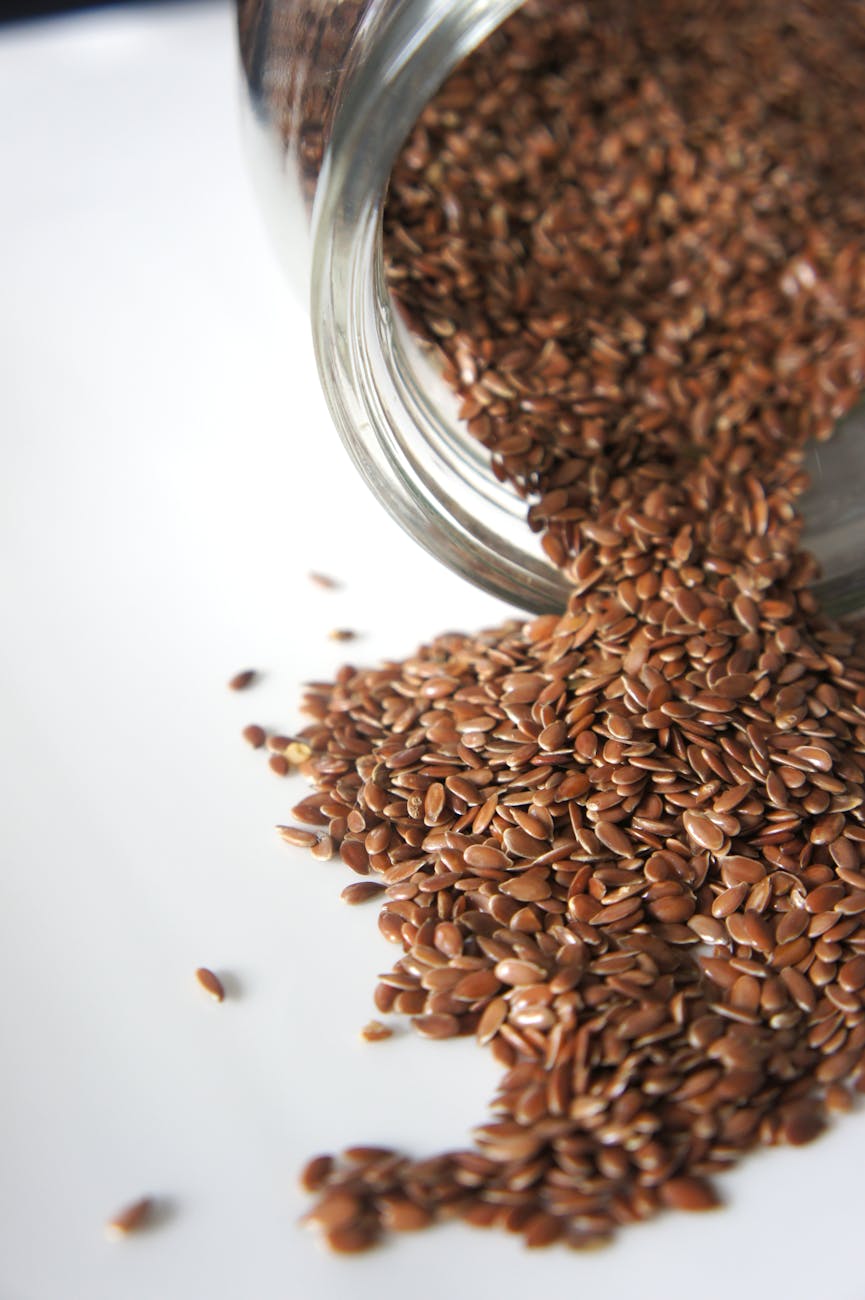
When faced with a prostate cancer diagnosis, many men and their families search for ways to support their health alongside conventional treatments. Flaxseed, also known as linseed, often appears in these conversations. Touted for its nutritional power, the big question is: can it actually help fight prostate cancer?
The short answer is: research is highly promising, suggesting flaxseed may be a valuable dietary addition that can slow cancer growth and improve outcomes. However, it is absolutely not a cure. Let’s break down the evidence.
The Power Within: Why Flaxseed is Unique
Flaxseed is a nutritional powerhouse, but its potential anti-cancer properties are primarily linked to three components:
- Lignans: Flaxseed is the richest dietary source of lignans, which are plant compounds that act as phytoestrogens. In the body, they can mimic or modulate the effects of estrogen. For hormone-sensitive cancers like prostate cancer, this is key.
- Alpha-Linolenic Acid (ALA): This is a plant-based omega-3 fatty acid, known for its anti-inflammatory properties. Since chronic inflammation is linked to cancer development, ALA’s role is significant.
- Fiber: The high soluble and insoluble fiber content supports overall digestive health and helps maintain a healthy weight, another factor in cancer risk.
The Evidence: What Does the Research Say?
The provided links from reputable institutions paint a compelling, though cautious, picture.
- Duke University Medical Center (2002): A landmark, though small, study from Duke was one of the first to test this in humans. Men scheduled for prostatectomy surgery were asked to add about 3 tablespoons of ground flaxseed to their daily diet for about a month. The results were striking. The men in the flaxseed group had slower tumor growth and higher rates of cancer cell death (apoptosis) compared to the control group. Researchers attributed this mainly to the lignans, which may reduce testosterone’s ability to stimulate cancer cells and cut off the tumor’s blood supply.
- UC Davis Nutrition Department: Their fact sheet reinforces that the lignans in flaxseed have antioxidant properties, which can protect cells from damage. They also note that the fiber can help the body excrete excess hormones, potentially creating a less favorable environment for hormone-driven cancers.
- New Scientist (2007): Following up on the research, a later article highlighted a study where men on a flaxseed-supplemented diet showed slower proliferation of cancer cells. This supported the Duke findings, adding to the body of evidence that flaxseed can indeed alter the biology of prostate tumors.
- Memorial Sloan Kettering Cancer Center (MSKCC): As a world-leading cancer center, MSKCC provides a crucial, balanced view. They confirm that flaxseed lignans have been shown to reduce prostate cancer growth in laboratory and animal studies. However, they also issue a critical warning: flaxseed may interact with certain medications, including blood thinners, and could potentially affect the action of some cancer treatments. Consulting your oncologist before adding significant amounts to your diet is essential.
Important Considerations and Cautions
This is where it’s vital to separate hope from hype.
- It’s Food, Not Medicine: Flaxseed is a complementary therapy, not a treatment. It should be used to support health alongside—not in place of—proven medical treatments like surgery, radiation, or chemotherapy.
- The Drug Interaction Warning: As highlighted by MSKCC and WebMD, the high fiber content can slow the absorption of oral medications. Furthermore, the phytoestrogen effect could theoretically interfere with certain hormone therapies. Your medical team needs to know you are taking it.
- The Form Matters: To get the benefits of the lignans and ALA, you must use ground flaxseed or flaxseed meal. Whole seeds often pass through the digestive system undigested. Pre-ground flaxseed is convenient, but grinding it yourself in a coffee grinder ensures maximum freshness and potency.
The Bottom Line
So, what are the merits of using flaxseed for prostate cancer?
- Merit: Strong preliminary evidence suggests that incorporating ground flaxseed into your diet may slow the growth of prostate tumors, increase cancer cell death, and create a less favorable hormonal environment for cancer.
- Limitation: It is not a cure. Human studies are still limited, and it can interact with medications.
The Final Verdict: If you are interested in using flaxseed, the best approach is an informed one. Bring the research to your doctor or oncologist. Discuss it openly. If you get the green light, consider adding a few tablespoons of ground flaxseed to your daily routine—blended into smoothies, stirred into oatmeal, or mixed into yogurt. It is a simple, nutritious, and potentially powerful step you can take as part of a comprehensive cancer care plan.
Sources Referenced:
- Duke Today: Flaxseed Stunts Prostate Tumor Growth
- UC Davis Nutrition: Ground Flaxseed
- New Scientist: Flaxseed May Slow Prostate Tumour Growth
- Memorial Sloan Kettering: Flaxseed
- WebMD: Flaxseeds and Cancer Warnings
Disclaimer: This blog post is for informational purposes only and does not constitute medical advice. Always consult with a qualified healthcare professional before making any changes to your diet or treatment plan.
Leave a Reply
You must be logged in to post a comment.