The Four Horsemen of Longevity: Gut Bacteria That Could Help You Live to 100
In recent years, scientists have turned their attention to the gut microbiome—the trillions of bacteria living in our intestines—as a key player in health and aging. One fascinating discovery comes from studies of centenarians and supercentenarians (people aged 105+), who often harbor unique microbial profiles that may contribute to their exceptional longevity.
Harvard-trained physician and bestselling author Dr. William Li has popularized this research, dubbing four specific gut bacteria the “Four Horsemen of Longevity”: Odoribacter, Oscillibacter, Christensenella, and Akkermansia. These bacteria appear in higher abundances in the guts of people living past 100, based on analyses from cohorts in Italy (including Bologna) and other regions like China and Sardinia.
While no single factor guarantees a long life, emerging evidence suggests these microbes support metabolic health, reduce inflammation, bolster immunity, and even protect against age-related diseases. The good news? You can influence your gut microbiome through diet.
Why These Four Bacteria Matter
- Akkermansia (especially Akkermansia muciniphila): Strengthens the gut lining, reduces inflammation, improves insulin sensitivity, and may lower risks of obesity, diabetes, and even cancer. It’s often depleted in metabolic disorders but enriched in healthy centenarians.
- Oscillibacter: Acts like a “natural statin” by helping lower bad cholesterol (LDL), raise good cholesterol (HDL), and enhance insulin regulation—key for heart health and preventing type 2 diabetes.
- Christensenella (often from the Christensenellaceae family): Linked to lean body mass, better metabolism, and lower risks of obesity, diabetes, and inflammatory bowel conditions. It’s heritable and associated with overall metabolic balance.
- Odoribacter: Produces beneficial compounds like certain bile acids that fight pathogens and may have anti-cancer properties. It’s tied to reduced inflammation and healthier lipid profiles.
Studies, including a landmark 2016 analysis of Italian semi-supercentenarians, show these bacteria increase with healthy aging, replacing some youthful microbes while maintaining resilience against disease.
How to Cultivate These Longevity Bacteria
Your diet is the most powerful tool for shaping your microbiome. Focus on polyphenol-rich foods (plant compounds that act as prebiotics) and resistant starches (fibers that resist digestion and feed gut bacteria).
Foods to Boost Akkermansia
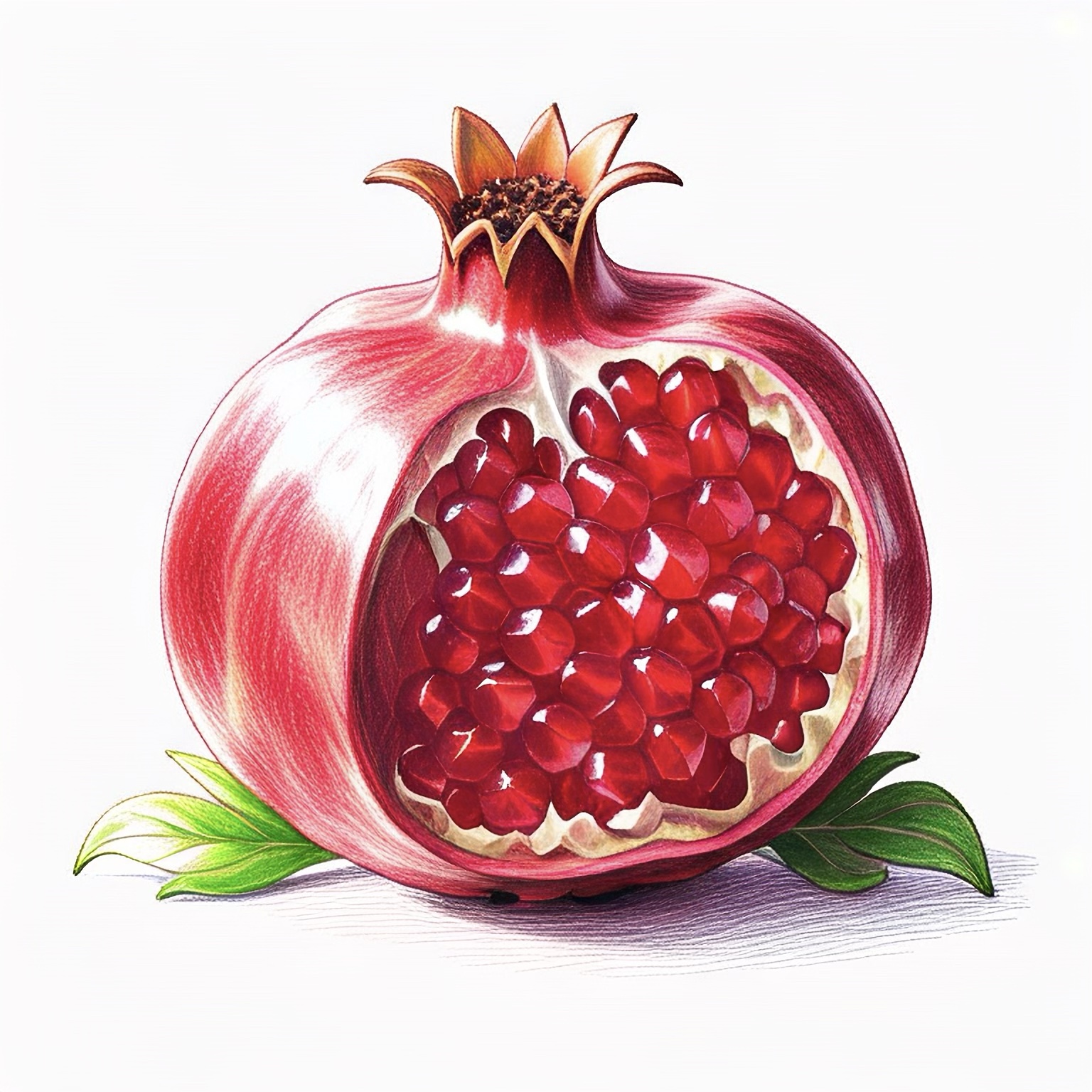
- Pomegranates
- Cranberries (especially dried or juice)
- Concord grapes or grape juice
- Black raspberries
- Chili peppers
- Pistachios
- Pure cacao or dark chocolate
- Green tea
- Chinese black vinegar
Polyphenols from these foods directly fuel Akkermansia growth.
Foods for Oscillibacter and Others
- Green bananas
- Garlic and onions
- Fermented foods like miso or tempeh
Resistant Starch Sources (Great for Christensenella and Overall Diversity)
- Cooled cooked rice or potatoes (retrograded starch—cook, cool, and reheat if desired)
- Green banana flour
- Oats or legumes cooled after cooking
General Boosters
- Nuts (almonds, pistachios)
- Leafy greens (kale, spinach)
- Flaxseeds
- Black beans
- Oats
- Fermented foods (yogurt, kefir, kimchi, sauerkraut) for probiotic diversity
Aim for a plant-rich diet with plenty of fiber (30+ grams daily) and variety. Even small changes, like adding cooled potato salad or pomegranate seeds to meals, can shift your microbiome over weeks to months.
The Science Behind It
Centenarian microbiomes often show higher diversity and enrichment in these “alternative” health-associated bacteria, producing short-chain fatty acids (SCFAs) like butyrate that reduce inflammation and support brain health via the gut-brain axis. Resistant starches and polyphenols selectively feed beneficial microbes while starving harmful ones.
Of course, genetics, exercise, stress management, and social connections also play roles in longevity. But nurturing your gut could be one of the most accessible steps.
Start small: Try a pomegranate smoothie with cooled rice or add fermented veggies to dinner. Your future 100-year-old self might thank you!In recent years, scientists have turned their attention to the gut microbiome—the trillions of bacteria living in our intestines—as a key player in health and aging. One fascinating discovery comes from studies of centenarians and supercentenarians (people aged 105+), who often harbor unique microbial profiles that may contribute to their exceptional longevity.
Harvard-trained physician and bestselling author Dr. William Li has popularized this research, dubbing four specific gut bacteria the “Four Horsemen of Longevity”: Odoribacter, Oscillibacter, Christensenella, and Akkermansia. These bacteria appear in higher abundances in the guts of people living past 100, based on analyses from cohorts in Italy (including Bologna) and other regions like China and Sardinia.
While no single factor guarantees a long life, emerging evidence suggests these microbes support metabolic health, reduce inflammation, bolster immunity, and even protect against age-related diseases. The good news? You can influence your gut microbiome through diet.
Why These Four Bacteria Matter
- Akkermansia (especially Akkermansia muciniphila): Strengthens the gut lining, reduces inflammation, improves insulin sensitivity, and may lower risks of obesity, diabetes, and even cancer. It’s often depleted in metabolic disorders but enriched in healthy centenarians.
- Oscillibacter: Acts like a “natural statin” by helping lower bad cholesterol (LDL), raise good cholesterol (HDL), and enhance insulin regulation—key for heart health and preventing type 2 diabetes.
- Christensenella (often from the Christensenellaceae family): Linked to lean body mass, better metabolism, and lower risks of obesity, diabetes, and inflammatory bowel conditions. It’s heritable and associated with overall metabolic balance.
- Odoribacter: Produces beneficial compounds like certain bile acids that fight pathogens and may have anti-cancer properties. It’s tied to reduced inflammation and healthier lipid profiles.
Studies, including a landmark 2016 analysis of Italian semi-supercentenarians, show these bacteria increase with healthy aging, replacing some youthful microbes while maintaining resilience against disease.
How to Cultivate These Longevity Bacteria
Your diet is the most powerful tool for shaping your microbiome. Focus on polyphenol-rich foods (plant compounds that act as prebiotics) and resistant starches (fibers that resist digestion and feed gut bacteria).
Foods to Boost Akkermansia
- Pomegranates
- Cranberries (especially dried or juice)
- Concord grapes or grape juice
- Black raspberries
- Chili peppers
- Pistachios
- Pure cacao or dark chocolate
- Green tea
- Chinese black vinegar
Polyphenols from these foods directly fuel Akkermansia growth.
Foods for Oscillibacter and Others
- Green bananas
- Garlic and onions
- Fermented foods like miso or tempeh
Resistant Starch Sources (Great for Christensenella and Overall Diversity)
- Cooled cooked rice or potatoes (retrograded starch—cook, cool, and reheat if desired)
- Green banana flour
- Oats or legumes cooled after cooking
General Boosters
- Nuts (almonds, pistachios)
- Leafy greens (kale, spinach)
- Flaxseeds
- Black beans
- Oats
- Fermented foods (yogurt, kefir, kimchi, sauerkraut) for probiotic diversity
Aim for a plant-rich diet with plenty of fiber (30+ grams daily) and variety. Even small changes, like adding cooled potato salad or pomegranate seeds to meals, can shift your microbiome over weeks to months.
The Science Behind It
Centenarian microbiomes often show higher diversity and enrichment in these “alternative” health-associated bacteria, producing short-chain fatty acids (SCFAs) like butyrate that reduce inflammation and support brain health via the gut-brain axis. Resistant starches and polyphenols selectively feed beneficial microbes while starving harmful ones.
Of course, genetics, exercise, stress management, and social connections also play roles in longevity. But nurturing your gut could be one of the most accessible steps.
Start small: Try a pomegranate smoothie with cooled rice or add fermented veggies to dinner. Your future 100-year-old self might thank you!
Leave a Reply
You must be logged in to post a comment.