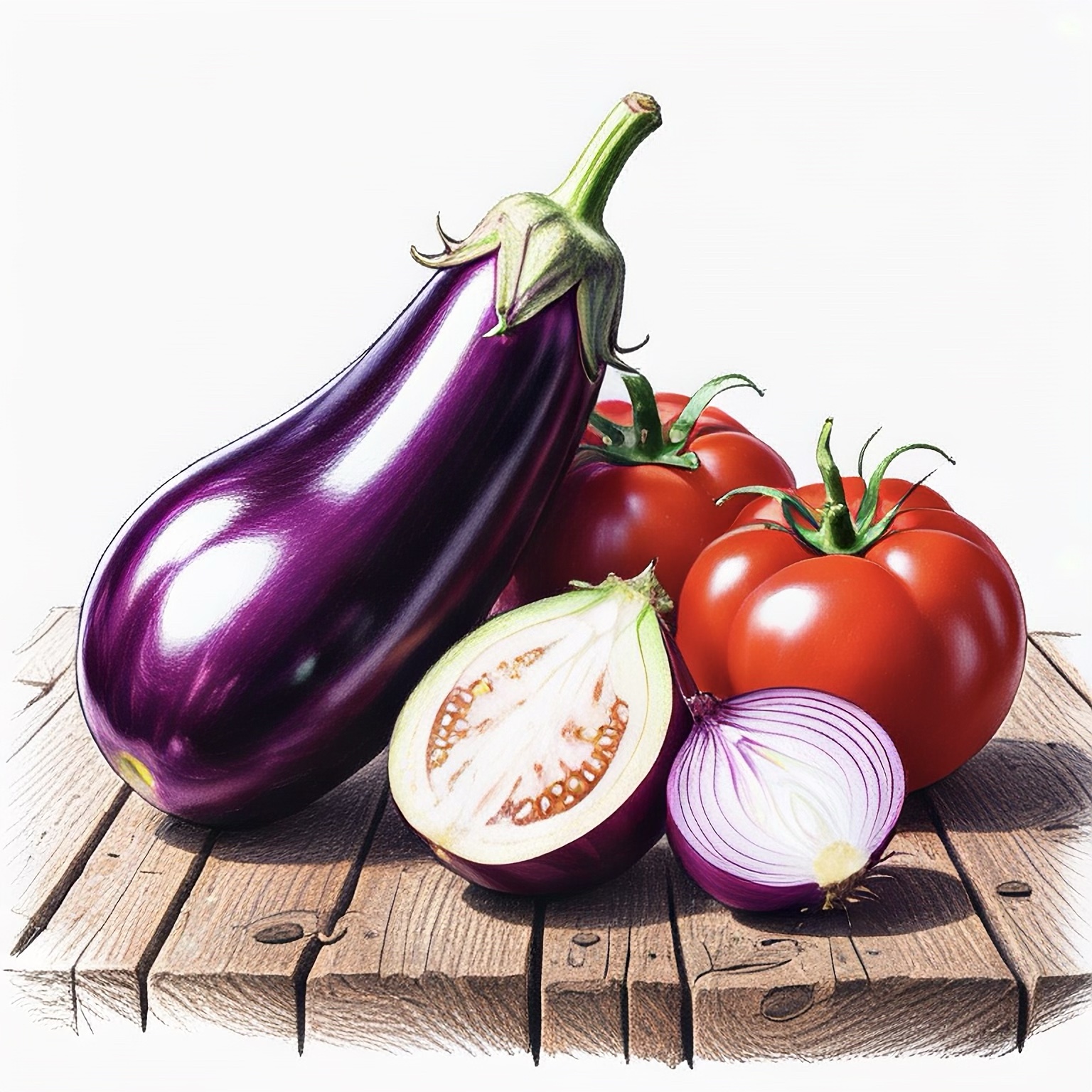
There isn’t a single traditional named dish that specifically combines lacto-fermented aubergine (eggplant), tomato, and onion in the exact way described in the recipe I shared (a simple mixed vegetable lacto-ferment).
This style is a modern home fermentation variation, inspired by global lacto-fermentation traditions where vegetables are salted and left to naturally ferment with lactic acid bacteria, producing tangy, probiotic-rich pickles. It’s similar to:
- Mixed vegetable ferments like Korean kimchi (typically cabbage-based but can include various veggies; origin: Korea, centuries-old tradition).
- Sauerkraut-style mixes from Central/Eastern Europe (e.g., cabbage with additions; origin: widespread in Germany, Poland, Russia).
- Asian pickled preparations (Japan, China, Korea often ferment eggplant, cucumber, onion, etc., separately or mixed).
- Balkan turšija (mixed pickled vegetables, sometimes fermented; origin: Balkans, including Serbia, Bosnia).
Combinations of eggplant, tomato, and onion are more common in cooked or vinegar-pickled dishes (not lacto-fermented), such as:
- Şakşuka or soslu patlıcan (Turkish sautéed/stewed eggplant in tomato sauce with onions).
- Imam bayildi (Turkish/Greek stuffed eggplant with tomatoes and onions, cooked in olive oil).
- Kyopolou (Bulgarian roasted eggplant relish with peppers, tomatoes, garlic; sometimes onion added, but cooked/roasted, not fermented).
- Persian torshi (pickles), like torshi liteh (mixed vegetable pickle, often eggplant-based and fermented/vinegar).
The lacto-fermented version I provided is a customizable, contemporary approach popular in modern fermentation communities (e.g., inspired by books like The Art of Fermentation by Sandor Katz). It’s not tied to one cultural origin but draws from ancient preservation methods found across Asia, Europe, and the Middle East.
If you’re aiming for a more authentic regional twist, try adding herbs like dill (Eastern European) or gochugaru chili (Korean-inspired)! Let me know if you’d like adjustments.
A simple and delicious way to ferment aubergine (eggplant), tomato, and onion together is through lacto-fermentation, creating a tangy, probiotic-rich pickle similar to a fermented vegetable medley (inspired by styles like giardiniera or homemade mixed ferments). This isn’t a traditional named recipe, but it’s a common home fermentation approach that works well with these ingredients.
Basic Lacto-Fermented Aubergine, Tomato, and Onion Recipe
Ingredients (for about 1-2 quart jars)
- 2 medium aubergines (eggplants), diced into 1-2 cm cubes
- 4-5 medium tomatoes, chopped (or cherry tomatoes halved)
- 2 medium onions, thinly sliced or chopped
- 4-6 garlic cloves, minced (optional, for flavor)
- 2-3 tbsp sea salt or kosher salt (non-iodized; about 2-3% brine by weight – use 20-30g salt per kg of veggies)
- Optional add-ins: fresh herbs (basil, oregano, or dill), chili flakes or fresh chilies for spice, black peppercorns, or bay leaves
- Filtered water (if needed to submerge)
Instructions
- Prepare the vegetables: Wash and chop the aubergine, tomatoes, and onions. Aubergine can absorb bitterness, so optionally sprinkle the cubes with a little salt and let them sit for 30-60 minutes, then rinse and drain to reduce any bitterness.
- Salt and mix: In a large bowl, combine all the chopped vegetables (and garlic/herbs if using). Add the salt and massage gently for a few minutes until the veggies release their juices (this creates a natural brine). Taste a piece – it should be pleasantly salty like seawater.
- Pack the jar: Stuff the mixture tightly into clean glass jars, pressing down firmly to release more liquid and remove air bubbles. The vegetables should be fully submerged in their own brine. If not enough liquid, make a 2-3% brine (e.g., 1 tbsp salt in 2 cups water) and top up.
- Weigh down: Use a fermentation weight, a clean ziplock bag filled with brine, or a cabbage leaf to keep everything submerged below the brine (this prevents mold).
- Ferment: Cover with a loose lid or fermentation airlock (or cloth secured with a band). Store at room temperature (18-22°C/65-72°F), away from direct sunlight, for 5-14 days. Burp the jar daily if not using an airlock to release gas. Taste starting at day 5 – it should become tangy and bubbly.
- Finish and store: When it reaches your desired tanginess (milder for shorter ferment, sourer for longer), tighten the lid and move to the fridge. It will keep for months, continuing to ferment slowly.
Tips
- Aubergine softens during fermentation, giving a nice texture contrast with the juicier tomatoes and crunchy onions.
- Start small if new to fermenting – watch for kahm yeast (harmless white film) vs. mold (fuzzy, colored – discard if moldy).
- Serve as a side, on salads, in sandwiches, or with cheese/grilled meats for a probiotic boost.
This method is safe and customizable. If you prefer a specific style (e.g., spicier or with different herbs), let me know for variations!
Leave a Reply
You must be logged in to post a comment.