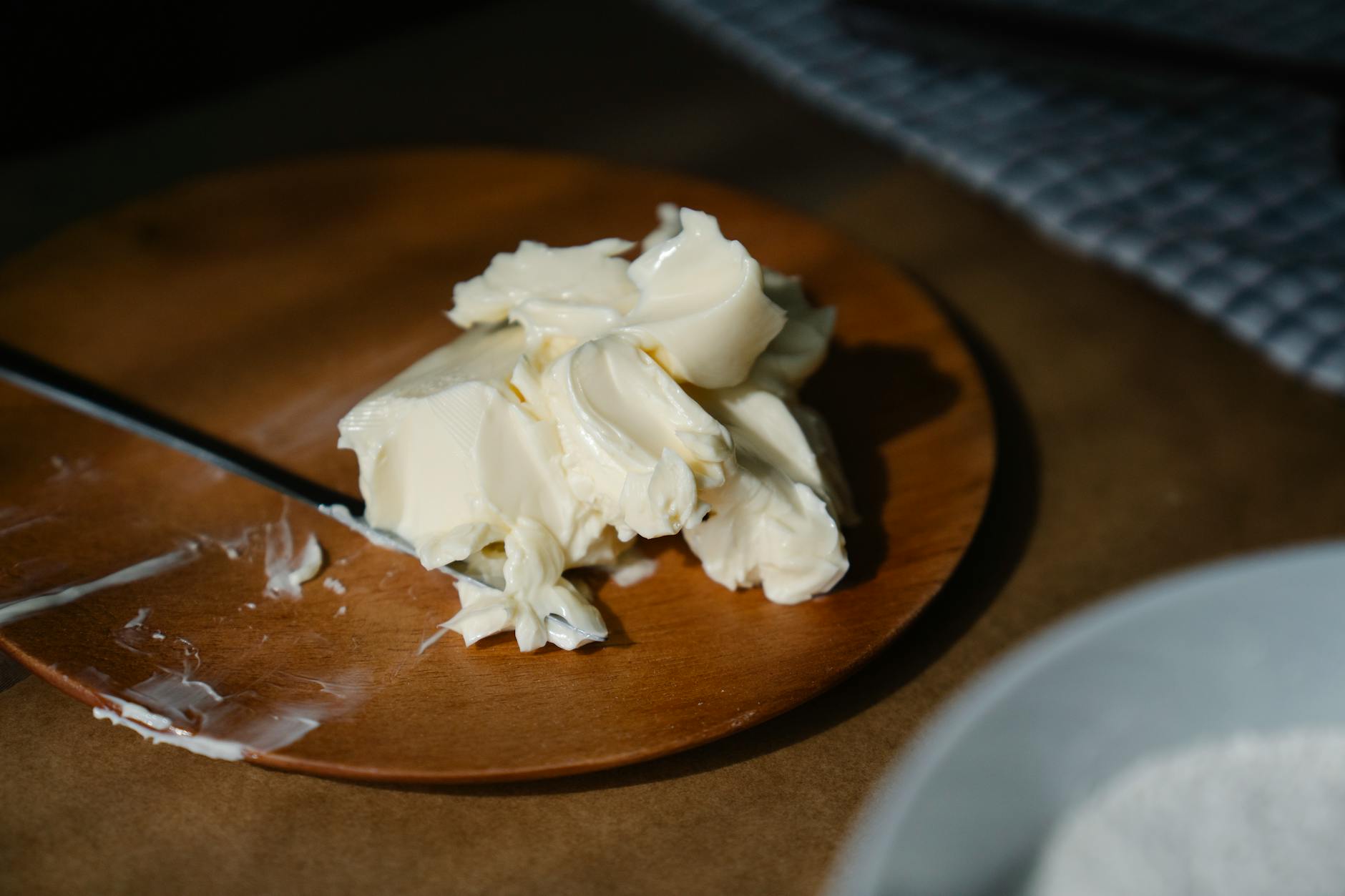
Here’s a clear, practical guide to preparing beef dripping (rendered beef fat) for storage, whether you’re collecting it from a roast or rendering raw suet/fat trimmings.
Step 1: Collect or Render the Fat
There are two common starting points:
A. From roast drippings (easiest, most common household method)
- After roasting beef, pour the liquid fat + juices from the roasting tin into a heatproof container.
- Let it cool for 20–30 minutes at room temperature (so it’s still liquid but not scorching).
- Place in the fridge for 2–4 hours (or overnight). The fat will rise and solidify into a white/cream-coloured disc on top; the meat juices settle underneath as a savoury jelly (keep this separately for gravy/stock if desired).
B. From raw beef fat/suet (cleaner, longer-lasting result)
- Chop or mince raw beef fat/suet into small pieces (the smaller, the better).
- Place in a heavy pot with a splash of water (≈1–2 cm / ½ inch) to prevent initial sticking/burning.
- Heat very gently on the lowest stove setting (or in a low oven ~110–120°C / 225–250°F) for 2–4+ hours, stirring occasionally.
- The fat will slowly melt out, leaving behind crispy bits (cracklings/scratchings).
- Strain twice: first through a coarse sieve/colander, then through a fine muslin/cheesecloth/coffee filter for crystal-clear dripping.
Step 2: Clarify (Optional but recommended for longer storage)
- If the dripping still looks cloudy or has tiny particles, gently re-melt it in a clean pan.
- Let any remaining sediment settle, then carefully pour off the clear fat, leaving the residue behind.
- Some people do a “water wash” (pour boiling water over solidified fat, re-chill, discard dirty water layer) to remove tiny meat bits and extend shelf life.
Step 3: Store It
Choose based on how quickly you plan to use it:
| Storage Method | Shelf Life (quality) | Notes / Tips |
|---|---|---|
| Room temperature | 1–3 months (cool/dark place) | Traditional method in the UK before fridges. Use a covered stoneware/earthenware pot or glass jar. Only if very well strained/clarified and house stays cool (<18–20°C). Smell-test frequently. |
| Fridge (most common) | 4–8 months | Store in clean glass jar(s) with tight lid. Leave 1 cm headspace. The surface will turn snowy white — that’s normal. Some people press cling film directly onto the surface before lidding to reduce air contact. |
| Freezer | 12–18 months (best quality) | Pour into small portions (ice cube trays, small jars, or silicone moulds). Once solid, pop out and store in freezer bags or vacuum-seal. Thaw only what you need — re-melts beautifully. |
Quick Tips
- Always use very clean utensils/jars to avoid introducing moisture or bacteria (moisture = rancidity risk).
- Label with the date.
- Good beef dripping smells neutral or faintly beefy. If it smells sour, rancid, or off — discard it.
- Classic uses: roast potatoes, pastry, frying eggs/mushrooms, spreading on bread like old-school toast topping.
Enjoy your golden stash — properly prepared dripping keeps brilliantly and adds unbeatable flavour!
Leave a Reply
You must be logged in to post a comment.