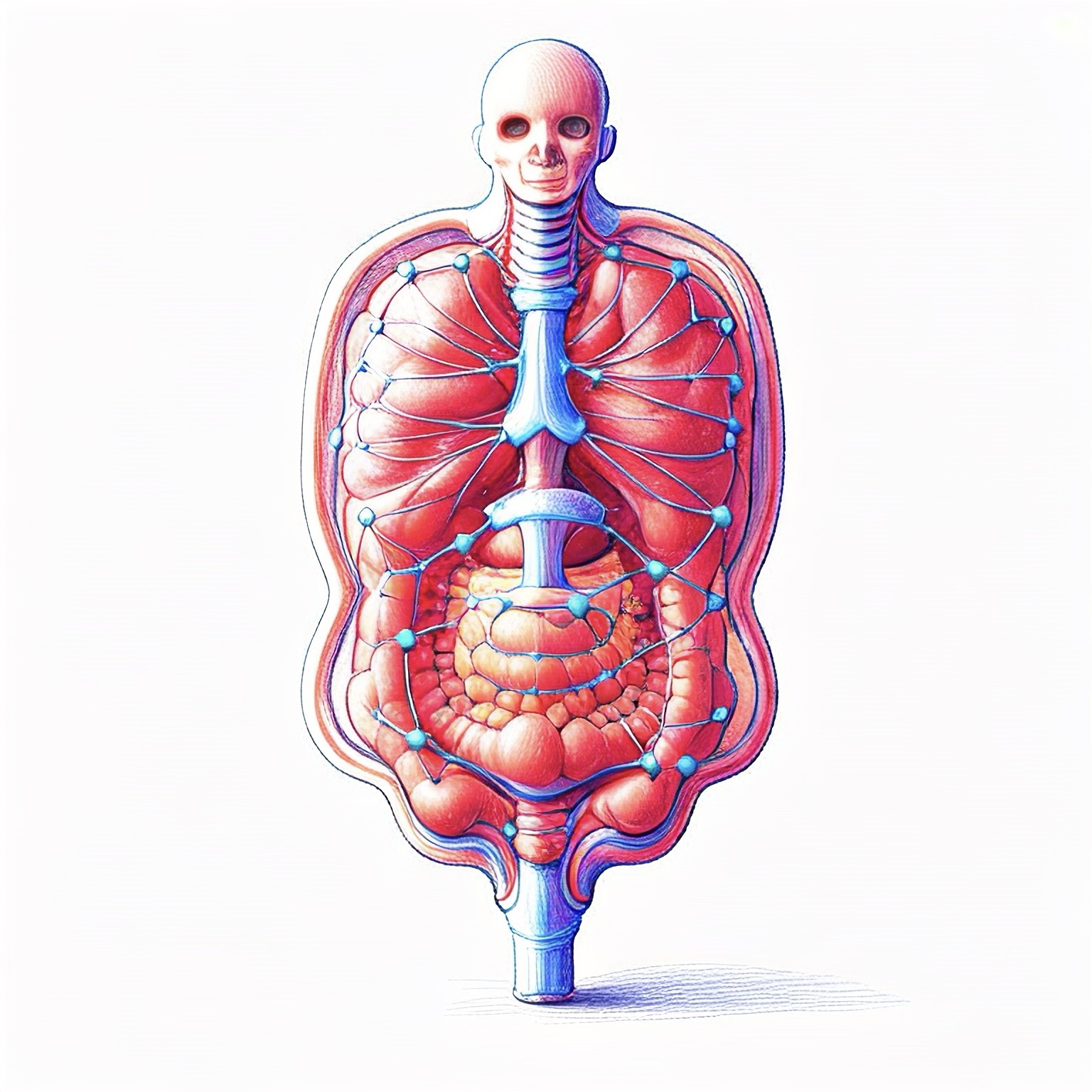
Parkinson’s disease (PD) is a progressive neurodegenerative disorder affecting millions worldwide. It features motor symptoms such as tremors, rigidity, and bradykinesia, plus non-motor issues like constipation, cognitive changes, and mood disorders. Growing evidence points to a strong connection between the gut microbiome and PD progression via the gut-brain axis—suggesting that microbiome-targeted approaches may help manage symptoms and potentially influence disease course.[^1][^2]
Important disclaimer: This post summarizes current research for informational purposes. These are not proven cures, and results vary. Always consult a neurologist or healthcare provider before trying any intervention, especially with PD medications.
The Gut-Brain Axis in Parkinson’s
The gut-brain axis is a two-way communication system linking the gastrointestinal tract and brain through the vagus nerve, immune signals, and microbial metabolites.[^3] Many PD patients exhibit gut dysbiosis—reduced microbial diversity and shifts in bacterial populations (e.g., lower Prevotella and SCFA-producers like Faecalibacterium, higher pro-inflammatory taxa).[^4]
Gastrointestinal symptoms (especially constipation) often precede motor signs by years, supporting the hypothesis that pathological processes (including α-synuclein misfolding) may begin in the gut.[^5] Animal models show that transplanting microbiota from PD patients can worsen symptoms, while microbiome modulation can improve them.[^6]
1. Dietary Interventions
Simple, evidence-based dietary changes can support a healthier gut microbiome:
- Mediterranean or plant-rich diets — High in fiber, polyphenols, and omega-3s — correlate with better microbial diversity, reduced inflammation, and improved PD outcomes.[^1][^7]
- High-fiber intake (≥25–30 g/day from vegetables, fruits, legumes, whole grains) promotes production of short-chain fatty acids (SCFAs) like butyrate, which strengthen the gut barrier and exert anti-inflammatory and neuroprotective effects.[^4][^8]
- Prebiotic foods (onions, garlic, bananas, artichokes, oats) and fermented foods (yogurt, kefir, kimchi, sauerkraut) feed beneficial bacteria and often help constipation.[^9]
⚠️ Important Dietary Note: Some individuals may need to be cautious with lectin-rich foods (raw legumes, nightshades, grains) and Neu5Gc-rich foods (red meat, some dairy). These compounds have been theorized to potentially exacerbate inflammation or gut permeability in susceptible individuals. However, cooking significantly reduces lectin content, and the evidence regarding Neu5Gc in PD is preliminary. Always personalize dietary changes with a healthcare professional.
- Intermittent fasting or time-restricted eating shows promise in preclinical models for microbiome balance and neuroprotection.[^10]
Early 2025 research continues to highlight dietary fiber as a low-risk, accessible strategy being tested in ongoing trials.[^2]
2. Probiotics and Synbiotics
Probiotics (live beneficial bacteria) are among the most studied gut interventions for PD.
- Multi-strain formulations containing Lactobacillus (e.g., L. plantarum, L. rhamnosus) and Bifidobacterium species have shown benefits in randomized trials.[^11][^12]
- A 2025 four-strain probiotic trial reported improved gut microbiota composition, reduced systemic inflammation markers, better motor scores, and symptom relief (including mood and constipation).[^13]
- Meta-analyses of RCTs (up to 2025) indicate probiotics can modestly improve constipation, non-motor symptoms (anxiety, sleep), and sometimes motor function, with good safety profiles.[^14][^15]
- New phase 2 trials (2025) are specifically testing probiotics for PD-related depression and mood disorders.[^16]
Typical doses are 10⁹–10¹⁰ CFU/day for 8–12 weeks. Synbiotics (probiotic + prebiotic combinations) may enhance effects.
3. Fecal Microbiota Transplantation (FMT)
FMT transfers healthy donor microbiota to “reset” the gut ecosystem.
- Small pilot trials and case series (including recent 2025 reports) have shown improvements in constipation, motor symptoms, quality of life, and inflammation markers in some PD patients.[^17][^18]
- However, a 2025 placebo-controlled study found no significant overall benefit on motor or non-motor symptoms compared to sham FMT.[^19]
- FMT remains experimental for PD — promising in subsets but with variable results. Larger trials and better donor/patient matching are needed.[^20]
Risks include infection transmission, so FMT should only occur in supervised clinical settings.
Emerging Directions (as of 2026)
- Live biotherapeutic products (engineered or selected strains) and postbiotics (microbial metabolites) are in early development.[^21]
- Ongoing trials (e.g., microbiome “reset” via antibiotics followed by targeted repopulation) continue to explore whether gut modulation can alter medication response or slow progression.[^22]
- Exercise, stress reduction, and sleep optimization also influence the microbiome and should be combined with gut strategies.[^23]
Final Thoughts
Gut-based approaches — from everyday diet tweaks to probiotics and (under study) FMT — offer realistic, complementary tools for managing existing Parkinson’s disease. While not disease-modifying yet, they can meaningfully improve quality of life, especially for gastrointestinal and non-motor symptoms. The field is moving quickly, with multiple 2025 trials reinforcing the gut-brain link.[^1][^2]
Talk to your care team, track symptoms, and consider working with a dietitian familiar with PD. Your gut microbiome may be one of the most modifiable pieces of the puzzle. 🦠
References
- Parkinson’s gut-microbiota links raise treatment possibilities. Nature. 2025. Link
- Microbiota Intervention to Change the Response of Parkinson’s Disease. ClinicalTrials.gov. Updated 2025. Link
- The gut–brain axis in early Parkinson’s disease: from prodrome to prevention. PMC. 2025.
- Efficacy of gut microbiota-targeted therapies in Parkinson’s disease: a systematic review and meta-analysis. Frontiers in Cellular and Infection Microbiology. 2025.
- The gut-brain connection: What the science says. Stanford Medicine. 2025.
- Parkinson’s disease and the gut-brain connection: unveiling pathways, mechanisms and promising therapies. ScienceDirect. 2025.
- Study Finds Potential Link Between Parkinson’s and Gut Health. Parkinson’s Foundation. 2025.
- Bridging the gap: Unveiling the gut’s influence on Parkinson’s disease through probiotic interventions. ScienceDirect. 2025.
- Effects of a Four-Strain Probiotic on Gut Microbiota, Inflammation, and Symptoms in Parkinson’s Disease. Movement Disorders. 2025.
- Gut-brain axis modulation in remote rehabilitation of Parkinson’s disease. Frontiers in Neurology. 2025.
- Efficacy of probiotic supplements on Parkinson’s disease. PubMed. 2024 (updated context 2025).
- Phase 2 Controlled Trial Tests Potential of Probiotics in Parkinson-Related Depression. NeurologyLive. 2025.
- Effects of a Four‐Strain Probiotic on Gut Microbiota, Inflammation, and Symptoms in Parkinson’s Disease. Movement Disorders. 2025.
- Efficacy of gut microbiota-targeted therapies in Parkinson’s disease: meta-analysis. Frontiers. 2025.
- Efficacy of probiotic supplements on Parkinson’s disease. ScienceDirect. 2024–2025.
- Phase 2 trial: Probiotics for PD mood disorders. NeurologyLive. 2025.
- Pilot Clinical Trial of Fecal Microbiota Transplantation for Parkinson’s. PubMed. 2025.
- Colonoscopic fecal microbiota transplantation for Mild-to-Moderate PD. ScienceDirect. 2025.
- Fecal Microbiota Transplantation in Patients with Parkinson’s Disease. Neurology. 2025.
- Faecal microbiota transplant for Parkinson’s disease. PubMed. 2025.
- Ongoing microbiome-based therapeutic developments (various 2025 sources).
- Microbiota Intervention to Change the Response of Parkinson’s Disease (MICRO-PD trial update). 2025.
- General gut-brain-PD lifestyle synthesis from 2025 reviews.
Leave a Reply
You must be logged in to post a comment.