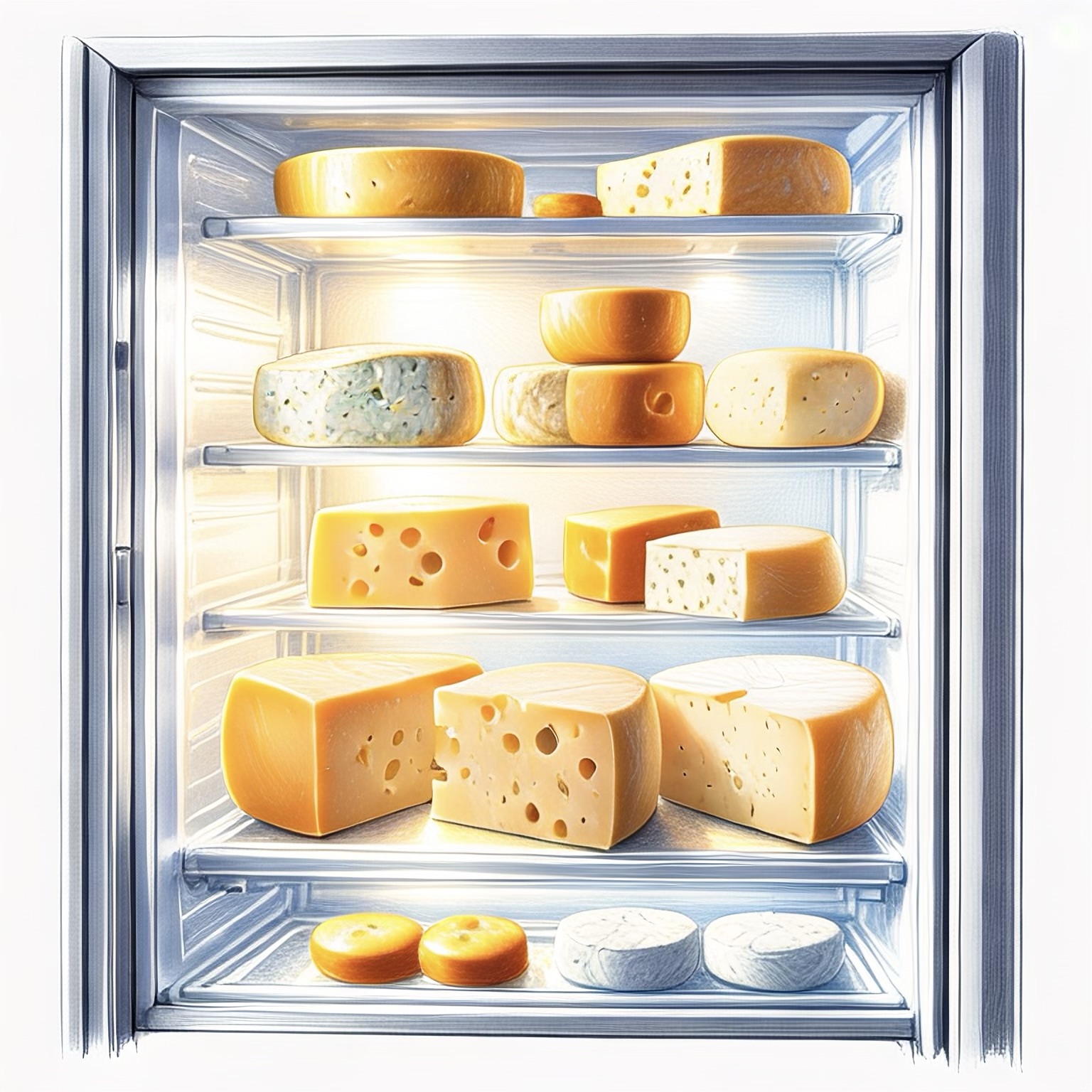
The recent buzz around full-fat dairy and brain health stems from a compelling long-term study published in Neurology (the journal of the American Academy of Neurology) in late 2025. Dr. Robert Lufkin highlighted this on X, noting that higher intake of full-fat cheese and cream was linked to lower dementia risk—challenging decades of low-fat dietary advice.
What the Study Actually Found
This prospective cohort study tracked 27,670 participants (average age ~58 at baseline, 61% female) from the Malmö Diet and Cancer cohort in Sweden. Researchers followed them for a median of 25 years, during which 3,208 incident dementia cases were recorded. Dietary data came from detailed food diaries, questionnaires, and interviews in the 1990s.
Key results (fully adjusted for lifestyle factors like physical activity, smoking, alcohol, overall diet quality, and more):
- High-fat cheese (>20% fat, e.g., cheddar, brie, gouda):
Consuming ≥50 g/day (vs. <15 g/day) was associated with: - ~13% lower risk of all-cause dementia (HR 0.87, 95% CI 0.78–0.97).
- Stronger protection against vascular dementia (HR 0.71, 95% CI 0.52–0.96).
- Reduced Alzheimer’s disease risk specifically among people without the APOE ε4 gene variant (HR 0.87, p-interaction = 0.014).
- High-fat cream (>30% fat, e.g., whipping cream):
Consuming ≥20 g/day (vs. none) linked to ~16% lower all-cause dementia risk (HR 0.84, 95% CI 0.72–0.98), with similar inverse associations for Alzheimer’s and vascular dementia. - Low-fat versions (cheese, cream), milk (high- or low-fat), fermented milk products (yogurt, etc.), and butter showed no significant association with dementia risk.
This aligns with some prior observational data (e.g., Finnish and UK Biobank studies showing benefits from regular cheese intake), but stands out for its exceptionally long follow-up and focus on fat content distinctions.
Why Might Full-Fat Dairy Show This Pattern?
The brain is roughly 60% fat by dry weight, relying on dietary lipids for myelin (nerve insulation), cell membranes, and anti-inflammatory effects. Full-fat dairy offers:
- Saturated fats — building blocks for brain cell integrity.
- Vitamin K2 (especially in fermented varieties) — helps direct calcium away from arteries and potentially toward bone health; some evidence links K2 deficiency to cognitive decline.
- Other nutrients — fat-soluble vitamins (A, D), conjugated linoleic acid, and bioactive compounds in fermented dairy that may support neuroprotection or reduce vascular damage.
Low-fat products often remove these naturally occurring elements and may replace them with additives or less nutrient-dense processing.
Important Caveats
- Association ≠ causation: The study shows links, not proof that eating more full-fat cheese/cream directly prevents dementia. Reverse causation (e.g., early subtle cognitive changes affecting food choices) or unmeasured confounders could play a role.
- Not a free pass: No one is suggesting unlimited cheese platters. Excessive intake carries calories, potential saturated fat concerns for heart health in some people, and lactose issues for many. Moderation and overall diet quality matter.
- Population-specific: Benefits were clearer in non-APOE ε4 carriers for Alzheimer’s; genetic factors influence outcomes. The cohort was Swedish—results may vary by ethnicity, lifestyle, or dairy type/quality.
- No benefit seen in other dairy categories, reinforcing that it’s not “all dairy” but specific high-fat forms.
Broader Takeaway
This adds to the growing reevaluation of the 1980s–2000s low-fat dogma, which stemmed partly from early heart disease fears. Emerging evidence (including on metabolic health, satiety, and now brain outcomes) increasingly favors whole, minimally processed foods over fat-reduced alternatives. Quality matters more than blanket fat restriction.
If you’re rethinking dairy, prioritize high-quality sources (grass-fed if possible for higher nutrient density) and pair them with a balanced pattern—vegetables, proteins, healthy fats, and movement. The science continues to evolve, but this large, long-term study is a noteworthy shift in how we view full-fat dairy’s role in brain longevity.
The original 2025 Neurology study (Swedish cohort, 25+ years follow-up) highlighted benefits from high-fat cheese (>20% fat, e.g., cheddar, gouda, brie) and high-fat cream for lower all-cause dementia risk (~13–16% reduction at higher intakes), with no similar protection from low-fat versions, milk, butter, or fermented milk products (like yogurt or kefir). The study did not specifically distinguish A1 vs. A2 β-casein content in the dairy consumed.
What Is A2 β-Casein Dairy?
Conventional cow’s milk contains a mix of A1 and A2 β-casein proteins. A2-only dairy (from breeds like certain Guernseys, Jerseys, or specially selected herds) contains exclusively A2 β-casein. During digestion, A1 β-casein can release β-casomorphin-7 (BCM-7), an opioid-like peptide linked in some research to:
- Increased gut inflammation
- Digestive discomfort (bloating, slower transit)
- Potential low-grade systemic effects
A2 β-casein does not release significant BCM-7, which is why A2 dairy is often marketed as easier to digest, especially for those with non-lactose milk sensitivity.
Relevance to Brain Health and Fermented Dairy
- Fermented dairy (cheese, yogurt, kefir) already involves microbial breakdown of proteins, which can reduce or eliminate BCM-7 from any A1 β-casein present. This means traditional fermented products (even from A1/A2 mixed milk) may have lower BCM-7 exposure than fresh milk.
- Emerging evidence (mostly smaller human trials and reviews) suggests A2-only milk (not always fermented) may support better cognitive outcomes in specific groups, such as:
- Older adults with mild cognitive impairment (MCI): One trial showed A2-only milk improved cognition, quality of life, and muscle strength more than conventional milk over 90 days.
- Preschoolers or sensitive individuals: A2 milk linked to fewer GI symptoms and subtle cognitive test improvements (e.g., processing speed, accuracy).
- No large-scale studies directly compare A2 fermented dairy (A2 cheese/cream/yogurt) to regular fermented dairy for dementia risk. The Swedish study’s cheese/cream benefits were tied to high fat content and nutrients like vitamin K2, saturated fats for myelin support, and possibly gut-brain axis effects from fermentation—not explicitly to A1 vs. A2.
- Fermented dairy broadly (regardless of A1/A2) shows promise in reviews for neuroprotection via probiotics, bioactive peptides, gut microbiota modulation, reduced inflammation, and BDNF support—mechanisms that could complement the full-fat findings.
Should You Prefer A2 Fermented Dairy?
If you tolerate regular dairy well and prioritize the fat-related benefits from the dementia study, high-fat fermented A2 products (e.g., A2 cheddar, A2 brie, A2 full-fat yogurt/kefir) could be an appealing upgrade. Potential upsides include:
- Potentially fewer gut issues for sensitive people → indirect brain benefits via better nutrient absorption and reduced inflammation.
- Same high-fat, K2-rich profile as regular full-fat cheese/cream, plus fermentation perks (probiotics, easier digestibility).
- Alignment with whole-food trends favoring minimally processed, breed-specific dairy.
Caveats:
- Evidence for A2 superiority in brain health remains preliminary (mostly small studies, often on milk rather than fermented forms; no direct dementia prevention trials).
- The main dementia-study benefits were not linked to A1/A2 status—high-fat content drove the associations.
- Cost: A2 products are often pricier and less widely available.
- Moderation still applies: Excessive intake adds calories/saturated fat; pair with veggies, proteins, and exercise for brain health.
Practical suggestions:
- Look for certified A2/A2 labels on full-fat cheeses (many artisan or grass-fed brands now offer them) or A2 cream/yogurt.
- If digestion is a concern, start with fermented A2 options—they combine the study’s favored high-fat profile with potential gut advantages.
- For most people without sensitivity, high-quality full-fat fermented dairy (A2 or not) remains a solid choice based on current evidence.
The science is evolving—long-term A2-specific cohorts would help clarify if the edge is meaningful for dementia prevention. If you have specific sensitivities or genetic factors (e.g., APOE status), consulting a doctor or dietitian is wise.
Leave a Reply
You must be logged in to post a comment.