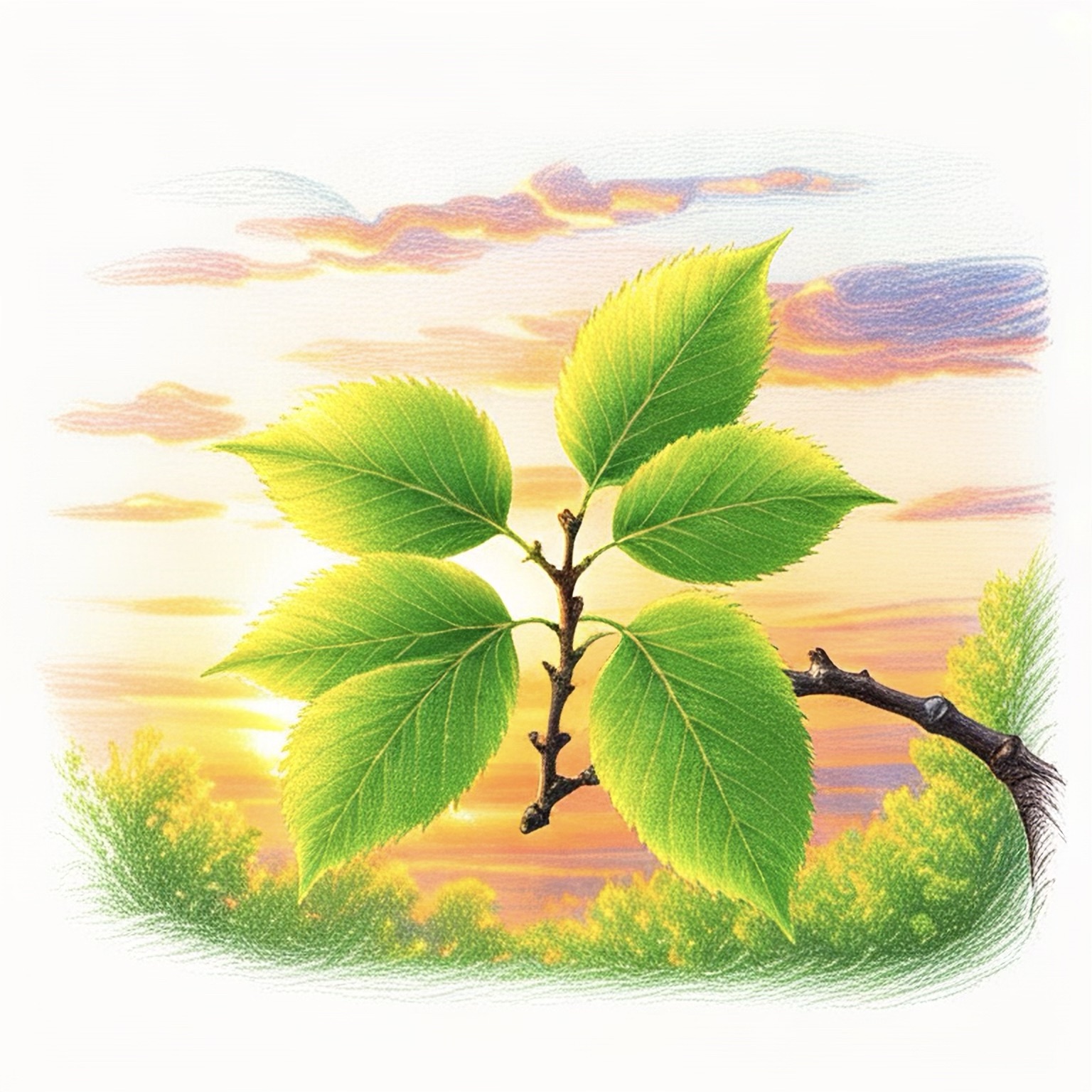
Ashitaba (scientific name: Angelica keiskei), often translated as “tomorrow’s leaf” (明日葉 in Japanese), is a remarkable perennial herb native to the Izu Islands and central regions of Japan, particularly Hachijojima Island. Belonging to the Apiaceae family (the same as carrots, celery, and parsley), this large, leafy green plant stands out for its rapid regeneration: harvest a leaf in the morning, and a new one often sprouts by the next day—hence its poetic name.
Traditionally used in Japanese folk medicine for centuries, ashitaba has gained global attention as a nutrient-dense superfood. Its stems exude a distinctive yellow sap rich in unique compounds, while the leaves, stems, and roots are all edible and commonly consumed as tea, powder, fresh greens, or supplements.
Nutritional Profile and Key Compounds
Ashitaba is exceptionally nutrient-rich, often described as one of the most nutrient-dense vegetables available. It contains:
- High levels of vitamins, including B vitamins (notably B6 and even some B12, rare in plants and appealing for vegans as a “blood builder”)
- Vitamin A, C, E
- Minerals like potassium, calcium, iron, and magnesium
- Chlorophyll (giving it a vibrant green color and detox support)
- Dietary fiber for gut health
What truly sets ashitaba apart are its bioactive compounds, especially prenylated chalcones (such as xanthoangelol and 4,4′-dimethoxychalcone or DMC). These rare flavonoids, along with coumarins and flavanones, contribute to its antioxidant, anti-inflammatory, and other properties. Chalcones are not commonly found in many foods, making ashitaba unique.
Potential Health Benefits
While ashitaba has been used traditionally for a wide range of issues, scientific evidence varies—some benefits are supported by preliminary studies, while others need more research. Here’s an overview:
- Antioxidant and Anti-Aging Effects
Compounds like DMC have shown promise in stimulating autophagy (the body’s cellular cleanup process), potentially promoting longevity and protecting against age-related decline. Studies in models like yeast, worms, and flies suggest it supports cellular health and may combat skin aging when used topically. - Cardiovascular and Metabolic Support
Ashitaba may help lower cholesterol, triglycerides, and blood pressure, improve glucose tolerance, and reduce liver fat (as seen in studies on non-alcoholic fatty liver disease models). Its fiber and minerals support heart health and blood sugar balance. - Anti-Inflammatory and Immune Boost
Chalcones and other components exhibit anti-inflammatory, antimicrobial, and antioxidant activity. Traditional uses include supporting immunity, reducing inflammation, and aiding digestion (e.g., easing constipation). - Other Traditional Uses
It’s been employed for heartburn, stomach ulcers, gout, hay fever, high cholesterol, and even as a general vitality tonic. Some sources highlight its potential for detoxification, joint health, and as a plant-based protein source with amino acids.
Note: Many uses lack strong clinical evidence in humans (e.g., WebMD and similar sources note insufficient proof for most claims). Always consult a healthcare professional before using it medicinally, especially if pregnant, breastfeeding, or on medications.
How to Use Ashitaba
- Tea: Steep dried leaves or stems for a mild, grassy herbal tea.
- Powder: Add to smoothies, soups, or sprinkle on food (popular in superfood blends).
- Fresh: Use young leaves in salads or stir-fries (they have a slightly bitter, celery-like taste).
- Supplements: Available as capsules or extracts.
It’s generally considered safe in food amounts, but excessive intake could cause side effects like digestive upset. No major interactions are widely reported, but caution is advised.
Why Ashitaba Matters Today
In a world obsessed with superfoods, ashitaba stands out for blending tradition with emerging science. Its ability to regenerate symbolizes resilience—much like the health benefits it may offer. Whether you’re exploring longevity hacks, seeking plant-based nutrition, or simply wanting a new green in your diet, ashitaba (the “herb of longevity”) is worth discovering.
Have you tried ashitaba tea or powder? What’s your favorite way to enjoy this Japanese gem? Share in the comments! 🌱
Sources include traditional Japanese usage, Wikipedia, PubMed reviews, WebMD, and various health/nutrition sites (as of 2026).
Leave a Reply
You must be logged in to post a comment.