The only truly edible soy foods are the fermented (and a few specially processed) varieties, according to Dr. Steven Gundry in his podcast episode “The Truth About Soy In Your Food! Healthy Snack or Hidden Danger?” (uploaded September 2025 on The Dr. Gundry Podcast, available at https://youtu.be/eN__MzJFzYY).
Soy has become ubiquitous in modern diets—hidden in processed foods, oils, protein bars, and fake meats—but most of it poses problems due to its natural defense compounds and heavy industrial processing. Here’s a breakdown of why the vast majority of soy products should be avoided, and which ones are actually safe and potentially beneficial.
Why Most Soy Is Problematic
Soybeans are legumes packed with lectins—plant proteins that can damage the gut lining by creating tiny holes (contributing to leaky gut), trigger inflammation, and interfere with nutrient absorption. A particular lectin called aquaporin in soy resists even pressure cooking and has been linked in emerging research to immune issues, including potential attacks on neurons (relevant for conditions like multiple sclerosis or other demyelinating diseases). Gundry strongly advises avoiding soy entirely if you have such conditions.
Unfermented soy also retains other anti-nutrients and, when processed into oils or isolates, often becomes ultra-processed with high omega-6 content that can harm mitochondria and overall metabolic health. Much of soy’s prevalence in Western diets stems not from health benefits but from 1970s agricultural subsidies that flooded the market with cheap soy (originally to replace saturated fats), correlating with rising health issues.
Common unfermented soy products to avoid include:
- Tofu — Typically unfermented, lectin-heavy, and not made safe by cooking.
- Edamame — Immature, unfermented soybeans loaded with lectins.
- Soy milk — Highly processed, often sweetened, and full of intact lectins.
- Soybean oil — Ultra-processed, omega-6 dominant, mitochondrial-damaging.
- Soy flour, soy protein concentrate (unless specifically isolate/hydrolysate), texturized vegetable protein (TVP) in most forms, veggie burgers/meat substitutes, and soy-based fake cheeses — All retain lectins or come with processing harms unless specially treated.
- Most soy sauces — Often contain gluten; opt for gluten-free tamari or coconut aminos instead.
Even some claims about soy’s phytoestrogens (estrogen-like compounds) are nuanced: they may block estrogen receptors on cancer cells (potentially protective), but the overall lectin and processing issues outweigh benefits in unfermented forms for most people.
The Only Edible (and Beneficial) Soy Foods
Fermentation changes everything. Traditional fermentation (used for centuries in Asian cultures) breaks down lectins and other anti-nutrients, while producing valuable postbiotics like polyamines. These compounds protect mitochondria, support metabolic flexibility, feed the gut microbiome, reduce inflammation, and are linked to longevity (seen in centenarian diets and even aspects of the “French paradox” via fermented foods).
Safe, edible soy options (Gundry’s “YES” list):
- Miso — Fermented soybean paste; great for soups and flavoring.
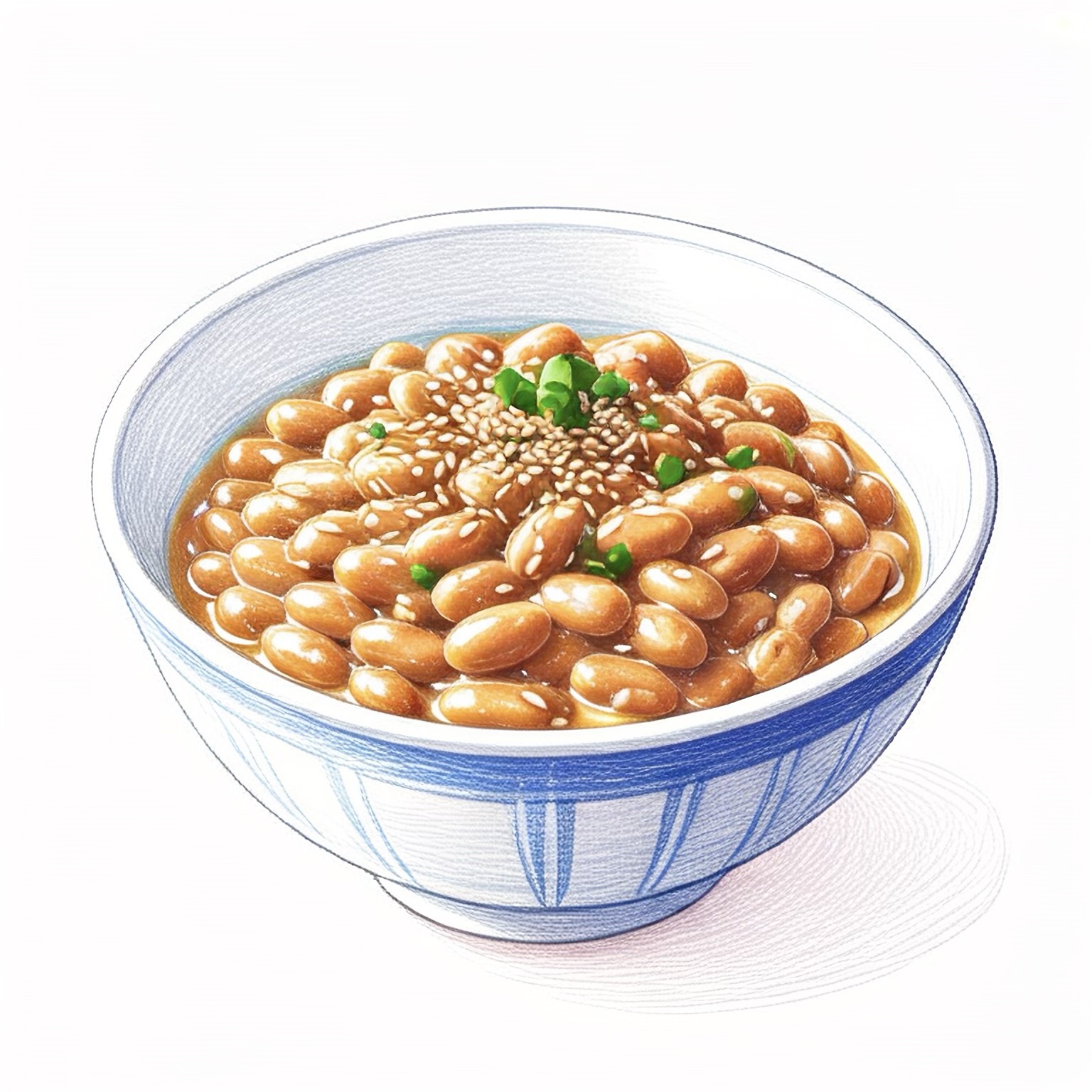
- Natto — Fermented soybeans (sticky and strong-flavored, but packed with benefits like vitamin K2).
- Tempeh — Fermented soy cake; choose pure versions without fillers like grains or corn.
- Fermented bean curd (if clearly labeled fermented).
- Soy protein isolate or hydrolysate — Lectins are removed through special processing (similar to how some pea proteins are handled); check labels carefully, as cheap versions may not qualify.
- Properly processed TVP — High-heat/pressure extrusion can detoxify it in some cases (Gundry notes this from his experience).
Always check labels for the word “fermented”—non-fermented versions of these (especially tofu) dominate store shelves and remain problematic.
Bottom Line
Soy itself isn’t the villain; poor preparation and over-processing are. Stick to traditionally fermented forms like miso, natto, and tempeh for gut-friendly, mitochondria-supporting benefits—or specially processed isolates if needed. Ditch the rest, especially if you’re focused on gut health, inflammation reduction, or longevity. As Dr. Gundry puts it: fermentation turns a potentially harmful legume into a superfood.
For the full explanation, watch the episode here: https://youtu.be/eN__MzJFzYY.