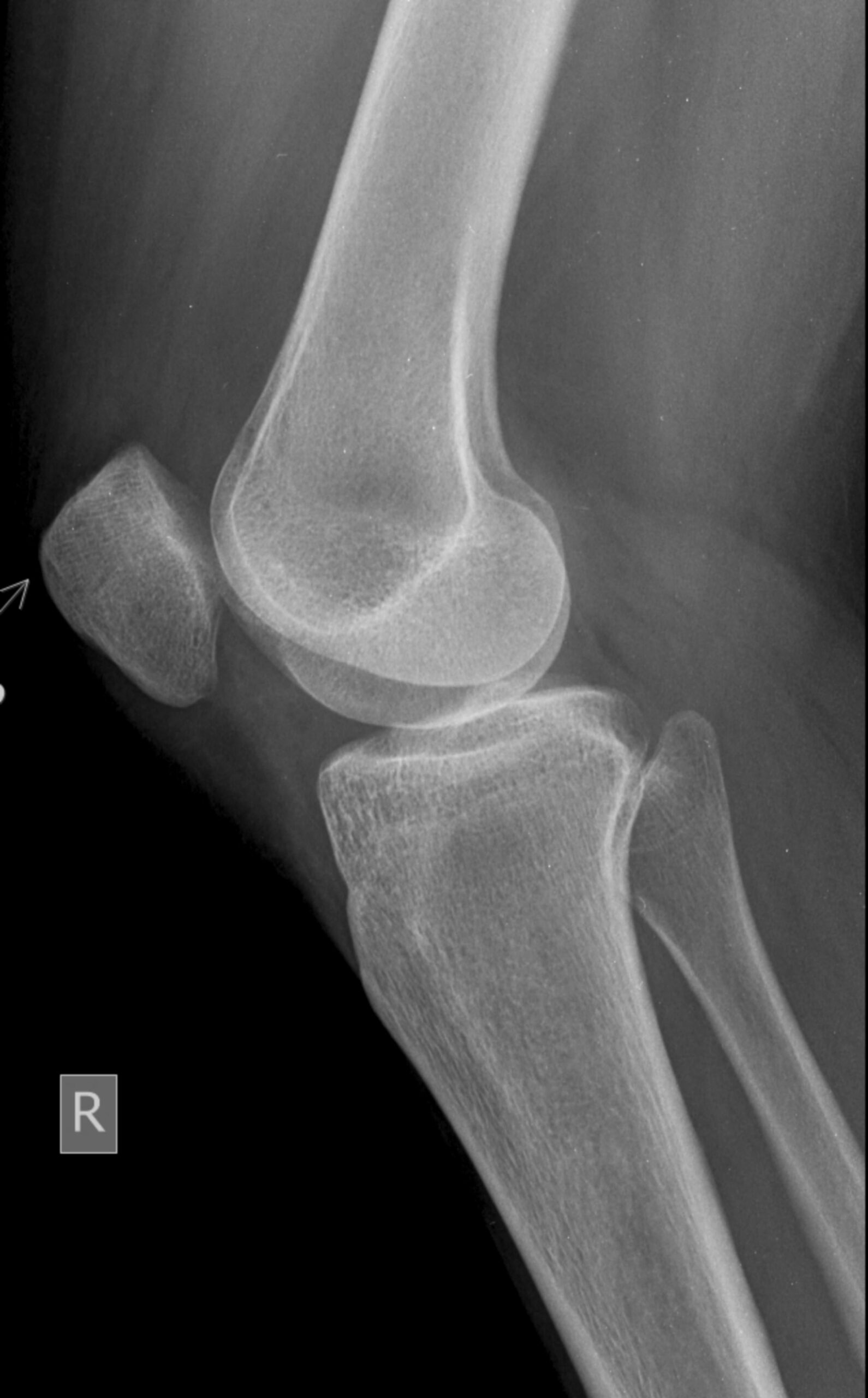
A Baker’s cyst (also known as a popliteal cyst) is a fluid-filled sac that forms behind the knee. It causes a tight, swollen, and sometimes painful bulge in the hollow of the knee, which can become more noticeable when you stand or straighten your leg.
Here is a comprehensive breakdown of the condition, from causes to treatment.
What causes it?
Contrary to what the name suggests, a Baker’s cyst is not a “tumor” or a growth. It is usually a symptom of another problem inside the knee joint.
The knee joint is surrounded by a capsule filled with synovial fluid (which lubricates the joint). When there is an underlying problem (like arthritis or a cartilage tear), the joint produces too much of this fluid. Pressure builds up, and the fluid is pushed out the back of the joint capsule, forming a cyst.
Common underlying causes include:
- Osteoarthritis: Wear-and-tear arthritis.
- Rheumatoid arthritis: Inflammatory joint disease.
- Meniscal tears: Cartilage injuries, often in younger or active adults.
- Inflammatory conditions: Such as gout or pseudogout.
Symptoms
- A bulge or tightness behind the knee.
- Pain (ranging from dull ache to sharp, especially when bending the knee).
- Stiffness and difficulty fully straightening the leg.
- The lump may feel like a water-filled balloon.
Complications: When it “Bursts”
Because the cyst is just fluid under pressure, it can sometimes rupture (burst), leaking fluid down into the calf muscles.
- Symptoms of rupture: Sudden sharp pain in the calf, swelling of the calf, redness, and tightness.
- Warning: This can mimic a deep vein thrombosis (DVT) (blood clot). If you have sudden calf swelling and pain, you must see a doctor immediately to rule out a clot.
Diagnosis
A doctor can often diagnose it with a physical exam, but because it can look like a DVT or a tumor, they usually confirm it with:
- Ultrasound: The best way to see if the lump is fluid-filled.
- MRI: Useful if the doctor suspects the cyst is caused by a hidden meniscus tear or other internal damage.
Treatment
Treatment usually focuses on the underlying cause (e.g., the arthritis or the torn cartilage), not just the cyst itself.
1. Non-Surgical (Conservative)
- RICE: Rest, Ice (behind the knee), Compression, and Elevation.
- Medication: Anti-inflammatories (like ibuprofen) to reduce pain and the fluid production.
- Physical Therapy: Exercises to maintain range of motion and strengthen the muscles around the knee.
2. Medical Procedures
- Aspiration (Drainage): A doctor inserts a needle into the cyst to drain the fluid. Sometimes they inject a corticosteroid (cortisone) afterward to reduce inflammation.
- Note: While this provides relief, the cyst often returns if the underlying cause isn’t fixed.
3. Surgery
If the cyst is large, persistent, or caused by a specific mechanical problem (like a meniscus tear), surgery may be recommended to fix the root issue.
When to see a doctor
You should seek medical attention if:
- You have significant swelling in the knee or calf.
- The pain becomes severe.
- The area behind your knee or calf feels hot or looks very red (signs of infection or a blood clot).
Disclaimer: I am an AI, not a doctor. This information is for educational purposes and should not replace professional medical advice.
Leave a Reply
You must be logged in to post a comment.