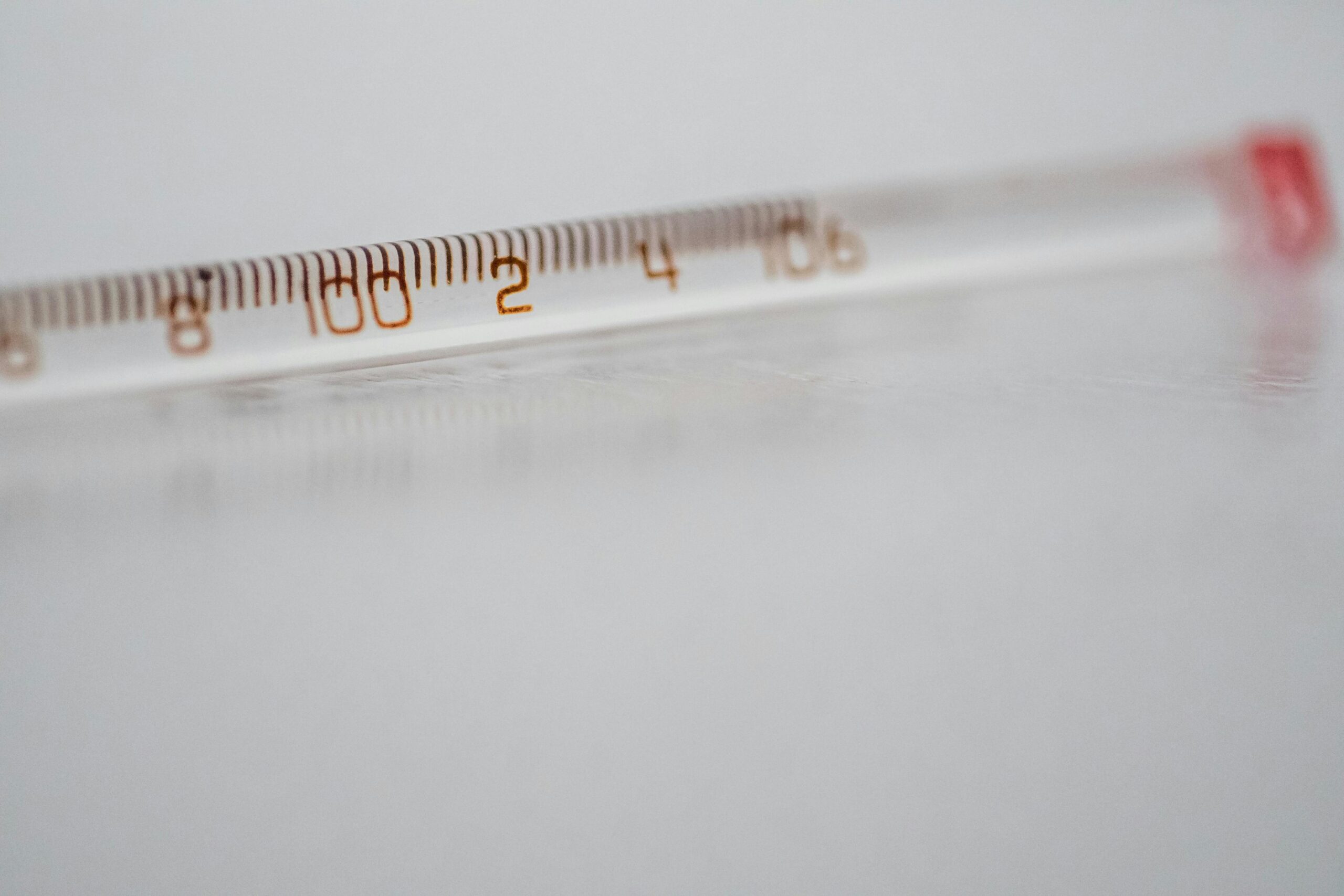
If you ever took your temperature as a kid and worried if you were exactly 98.6°F (37°C) , you can relax. It turns out, that number isn’t the human standard it used to be—and scientists are fascinated by why.
Recent epidemiological studies suggest that the average human body temperature has been slowly dropping over the past 150 years. But before you worry that we’re all running cold, let’s look at why this is happening and what it means for our immune systems.
The Death of 98.6°F
The iconic 98.6°F standard was established in the mid-1800s by German physician Carl Reinhold August Wunderlich. However, modern studies—including a notable 2020 study analyzing temperature data from the past 150 years—confirm that body temperatures have actually declined by about 0.03°C to 0.05°C per decade.
So, what changed? It’s not that Wunderlich was wrong; it’s that the human body has changed.
Why We’re Getting Cooler
Researchers have two main theories to explain this physiological shift:
1. We Have Less Inflammation
In the 19th century, untreated infections were rampant. People lived with chronic, low-grade inflammation from conditions like tuberculosis, dental abscesses, and persistent parasites.
- The Connection: Inflammation raises metabolic rate, which generates heat.
- Today: Thanks to vaccines, antibiotics, and better sanitation, we carry a much lower burden of disease. Our bodies don’t have to work as hard at rest, so we run cooler.
2. We Live in Climate Control
Think about the environments our ancestors endured—sweltering summers and freezing winters with little protection.
- The Connection: Maintaining a core temperature of 98.6°F required significant energy. In the cold, the body burned calories to stay warm; in the heat, it worked to cool down.
- Today: We live in a “thermal neutral zone.” We have central heating, air conditioning, and better clothing. Our bodies expend less energy on temperature regulation, lowering our resting metabolic rate and, subsequently, our temperature.
Does a Lower Body Temperature Weaken Immunity?
This is the million-dollar question. If a fever helps us fight infection, does a cooler baseline make us more vulnerable?
The answer is nuanced, and it offers some reassuring news.
The Good News: It’s a Sign of Reduced Inflammation
The drop in temperature is largely a reflection of the reduction in chronic inflammation.
- Chronic inflammation is a driver of heart disease, diabetes, and autoimmune disorders.
- By reducing the constant “noise” of low-grade infections, our immune systems are likely healthier and less overworked. In this sense, a lower temperature is a marker of population-level health improvement, not immune decline.
The Nuance: Fever Thresholds
A lower baseline temperature does mean the threshold for what constitutes a “fever” changes slightly.
- A temperature of 99.5°F might have been a mild fever for someone in 1860, but for a modern person with a lower baseline, it could represent a more significant elevation.
- However, the body’s ability to mount a fever hasn’t disappeared. When a modern pathogen attacks, the immune system still raises the body’s internal thermostat effectively—it just starts from a cooler resting point.
The Takeaway
The slow decline in human body temperature isn’t a sign that we are becoming weaker or sicker. On the contrary, it appears to be a biological marker of our success in conquering infectious disease and insulating ourselves from environmental stress.
So, the next time your thermometer reads 97.7°F and you feel perfectly fine, don’t worry. You’re not running cold; you’re just running modern.
Leave a Reply
You must be logged in to post a comment.