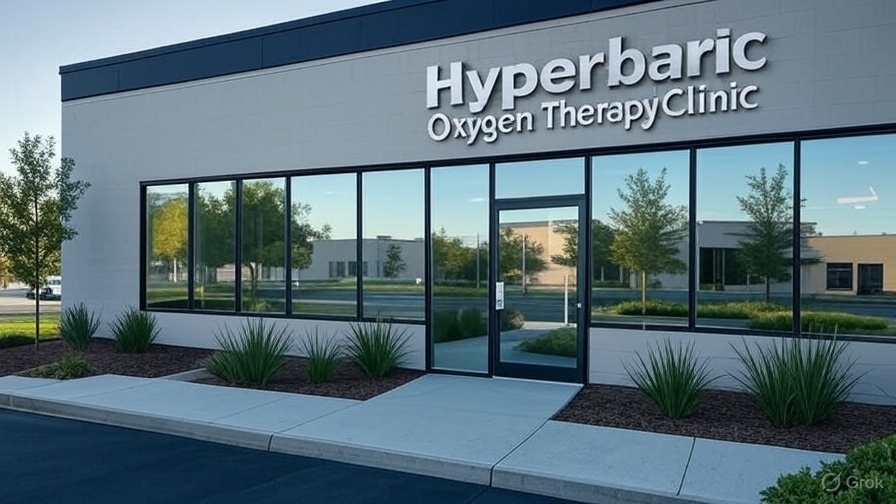
Here is a comprehensive business case for Hyperbaric Oxygen Therapy (HBOT), structured for presentation to potential investors, hospital administrators, or business partners.
Date: October 26, 2023
Prepared For: [Investors, Hospital Board, Management Team]
Prepared By: [Your Name/Department]
1. Executive Summary
This document proposes the establishment of a comprehensive Hyperbaric Oxygen Therapy (HBOT) center to meet growing clinical demand, diversify service offerings, and generate a significant new revenue stream. HBOT is a proven, FDA-approved treatment for multiple conditions, most notably chronic non-healing wounds (e.g., diabetic foot ulcers). The market is expanding due to an aging population and rising rates of diabetes. We project an initial investment of [$1.5 – $3 million] for a multi-place chamber facility, with a path to profitability within [24-36 months]. This center will not only be financially viable but will also enhance community health outcomes and serve as a key differentiator for our institution.
2. Introduction & Problem Statement
The healthcare landscape is shifting towards specialized, high-value outpatient services. We face two key challenges:
- Clinical Need: A significant and growing patient population suffers from chronic conditions that are expensive to treat and have poor outcomes with standard care. This includes:
- Diabetic Foot Ulcers (DFUs): Over 34 million Americans have diabetes; up to 25% will develop a foot ulcer. DFUs are the leading cause of non-traumatic lower limb amputations.
- Radiation Tissue Injury: Cancer survivors who received radiation therapy (e.g., for head/neck or pelvic cancers) often suffer from chronic, painful tissue damage.
- Other Conditions: Non-healing surgical wounds, compromised grafts, and severe infections.
- Financial Need: Current treatment pathways for these conditions often involve long-term, costly wound care management, frequent hospitalizations, and surgeries. A specialized HBOT center can provide a more effective treatment, improving patient outcomes while creating a efficient, profitable service line.
3. Proposed Solution: HBOT Center
Establish an accredited HBOT center featuring:
- Multi-Place Chamber: Allows treatment of multiple patients simultaneously with a medical attendant inside, improving safety, patient comfort, and throughput.
- Integrated with a Wound Care Clinic: The ideal model is to colocate the HBOT center within or adjacent to an established wound care clinic, creating a synergistic “center of excellence.”
- Accredited Staff: Board-certified Hyperbaric Physicians, Registered Nurses (RNs) certified in hyperbaric medicine, and Certified Hyperbaric Technologists (CHTs).
- Comprehensive Care: Full patient assessment, treatment planning, and follow-up within a single service line.
4. Market Analysis
- Target Market: Adults (primarily 50+) with physician-referred conditions, notably:
- Patients with diabetes and chronic wounds.
- Post-radiation therapy patients (e.g., proctitis, osteoradionecrosis).
- Patients with necrotizing soft tissue infections and grafts/flaps.
- Market Size & Growth: The global HBOT market was valued at approximately $2.5 billion in 2022 and is projected to grow at a CAGR of 6-8%. This growth is driven by:
- Increasing geriatric population.
- Rising global prevalence of diabetes and obesity.
- Growing awareness and acceptance of HBOT.
- Expanding research into new clinical applications (e.g., traumatic brain injury, stroke – though these are often off-label).
- Competition: Analysis of the local/regional market is critical. How many existing HBOT facilities are there? Are they hospital-based or private? This service often has limited competition due to high barriers to entry (cost, expertise).
5. Financial Analysis
A. Initial Capital Investment (Estimated)
| Item | Cost Estimate | Notes |
|---|---|---|
| Multi-Place Hyperbaric Chamber | $800,000 – $1.5M | New, depending on size and features |
| Facility Renovation & Prep | $300,000 – $600K | HVAC, electrical, plumbing, safety systems |
| Accreditation & Licensing | $50,000 | The Undersea and Hyperbaric Medical Society (UHMS) |
| Total Capital Investment | ~$1.5 – $3 Million |
B. Operational Revenue Model
- Revenue Streams: Primarily insurance reimbursements (Medicare, Medicaid, Private Payers).
- Reimbursement: Medicare and most private insurers reimburse for 13 approved indications (e.g., diabetic wounds, radiation injury, gas embolism). Reimbursement is typically robust.
- Key Metric: Revenue per Treatment: A single HBOT treatment (CPT code G0277) can be reimbursed between $450 – $850 per session, depending on the payer mix and contract rates.
- Volume Projection: A conservative estimate is 8-12 patients per day. A full course of treatment is often 30-40 sessions.
C. Operational Expenses (Annual)
| Expense | Cost Estimate |
|---|---|
| Staffing (1 MD, 2 RNs, 1 Tech) | $400,000 – $550,000 |
| Chamber Maintenance & Service | $50,000 – $80,000 |
| Utilities (Oxygen, Electricity) | $30,000 – $50,000 |
| Supplies & Administrative | $25,000 – $40,000 |
| Total Annual Operating Costs | ~$500,000 – $720,000 |
D. Pro Forma Financial Projections (Simplified)
- Annual Revenue (Year 2-3): 10 patients/day * $650/treatment * 220 operating days = ~$1.43 Million
- Annual Operating Expenses: ~$600,000
- Annual Gross Profit: ~$830,000
- Payback Period: Initial Investment / Annual Profit = ~$2M / $830k = ~2.4 years.
Note: These are illustrative estimates. A detailed feasibility study with local reimbursement rates, real estate costs, and precise staffing models is essential.
6. Strategic Benefits & ROI
- Financial ROI: Clear path to profitability and a strong return on investment within 3 years.
- Clinical ROI:
- Improved Patient Outcomes: Significantly reduces healing time, prevents amputations, and improves quality of life.
- Reduces Overall Healthcare Costs: By preventing surgeries, infections, and long-term hospital stays, HBOT reduces the total cost of care for the health system.
- Strategic Advantages:
- Service Line Differentiation: Positions the organization as a leader in specialized medicine.
- Referral Network Growth: Attracts new physicians (podiatrists, surgeons, oncologists) to refer patients to the entire health system.
- Enhanced Community Reputation: Marketing as a “Limb Salvage Center” or “Wound Healing Center” provides powerful positive PR.
7. Risks and Mitigation
| Risk | Mitigation Strategy |
|---|---|
| Regulatory & Reimbursement Changes | Stay agile; focus on core FDA-approved indications. Hire a dedicated reimbursement specialist. |
| Safety Incidents (e.g., fire, barotrauma) | Strict adherence to NFPA-99 and UHMS safety standards, rigorous staff training, and comprehensive safety protocols. |
| Lower-than-expected Patient Volume | Develop strong relationships with referring physicians. Invest in marketing to both providers and patients. |
| High Initial Capital Cost | Explore leasing options for equipment or partnership models to share upfront investment. |
8. Implementation Plan (Phased Approach)
- Phase 1: Feasibility & Planning (Months 1-3): Secure funding, form project team, conduct detailed market/ financial analysis.
- Phase 2: Development (Months 4-9): Order equipment, renovate facility, obtain permits and accreditation, hire and train staff.
- Phase 3: Launch & Ramp-Up (Months 10-12): Soft launch, begin treating patients, establish referral pathways, market the service.
- Phase 4: Optimization & Growth (Year 2+): Maximize chamber utilization, explore expansion (second chamber), consider research partnerships for off-label uses.
9. Recommendation
The establishment of a Hyperbaric Oxygen Therapy Center represents a strategically sound, clinically necessary, and financially attractive investment. It addresses a clear market need with a reimbursable, high-demand service that will improve patient care, reduce system-wide costs, and generate substantial revenue. We recommend proceeding to the feasibility study and funding approval stage immediately.
Appendix: (These would be attached in a real business case)
- Detailed 5-year financial projections (P&L, Cash Flow)
- Floor plans and facility renderings
- Market study data and competitor analysis
- CVs of proposed Medical Director and key staff
- Sample physician referral agreement
- Reimbursement rate tables from major payers
Leave a Reply
You must be logged in to post a comment.