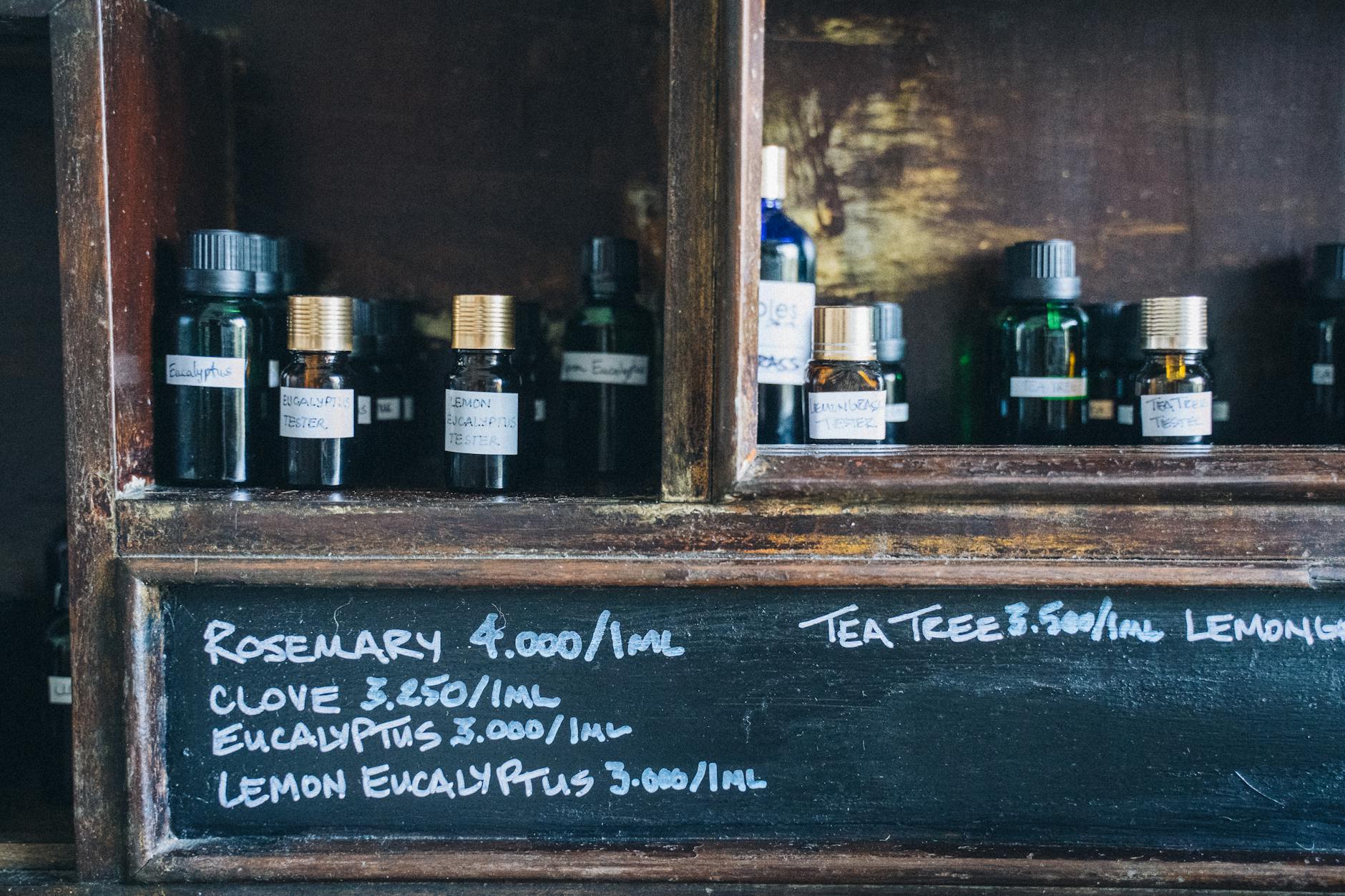
Of course. Combining castor oil and rosemary is a popular natural remedy, primarily for hair and scalp health, but it also has uses for skin and overall wellness. The benefits come from the synergistic effect of both powerful ingredients.
Here’s a detailed breakdown of the benefits, how they work together, and how to use them.
Benefits of Castor Oil with Rosemary
1. Promotes Hair Growth
This is the most celebrated benefit of this combination.
- Castor Oil: Rich in ricinoleic acid (a unique fatty acid), it is believed to improve blood circulation to the hair follicles when massaged into the scalp. Better circulation means more nutrients and oxygen delivered to the follicles, which can stimulate growth. It’s also a humectant, meaning it helps retain moisture in the hair shaft, reducing breakage.
- Rosemary Essential Oil: Numerous studies have shown rosemary oil to be as effective as minoxidil (a common hair growth treatment) for treating androgenetic alopecia (pattern hair loss), but with a much lower incidence of scalp itching as a side effect. It works by inhibiting DHT (a hormone that causes hair loss), improving cellular generation, and boosting microcirculation.
Together, they create a powerful treatment to awaken dormant follicles and encourage new growth.
2. Strengthens Hair and Reduces Breakage
- Castor Oil: Its thick, viscous nature coats the hair shaft, adding significant strength and shine. This helps prevent split ends and breakage, especially for dry, brittle, or damaged hair.
- Rosemary Oil: By improving the overall health of the scalp and follicles, it ensures that the new hair growing in is stronger from the root.
3. Fights Dandruff and Scalp Conditions
- Castor Oil: Has anti-inflammatory and antimicrobial properties that can help soothe a dry, flaky, and itchy scalp.
- Rosemary Oil: Is a potent antifungal and antibacterial agent. It helps combat the fungus (Malassezia) that often contributes to dandruff. It also helps balance scalp oil production.
4. Conditions and Adds Shine
The fatty acids in castor oil are incredibly moisturizing. When applied to the hair (especially the ends), it acts as a deep conditioner, sealing in moisture and leaving hair looking noticeably shinier and feeling softer. Rosemary oil adds to this by improving overall hair health.
5. Skin Benefits (When Used Topically)
- Moisturizes: Castor oil is an excellent emollient, perfect for dry patches on elbows, knees, and feet.
- Antioxidant and Anti-inflammatory: Rosemary oil is packed with antioxidants that fight free radical damage, which can help slow signs of aging. Its anti-inflammatory properties can help soothe conditions like mild acne or eczema. Note: Always dilute rosemary oil heavily for use on the face.
How to Use Castor Oil and Rosemary for Hair
It’s crucial to use rosemary essential oil, not an infused oil or fresh rosemary, for the most potent benefits. Castor oil is very thick, so it’s best to dilute it with a “carrier oil.”
Basic Recipe:
- 2 tablespoons of castor oil
- 2 tablespoons of a lighter carrier oil (like jojoba, coconut, or almond oil) to help with spreadability and washing out.
- 5-10 drops of rosemary essential oil (start with less if you have sensitive skin).
Instructions:
- Mix: Combine the oils in a small bowl or bottle. Warm the mixture slightly by placing the container in a bowl of warm water—this makes it easier to apply.
- Patch Test: Always do a patch test on your inner arm 24 hours before using to check for any allergic reaction.
- Apply: Part your hair and apply the mixture directly to your scalp using a dropper or your fingertips. Massage thoroughly for 5-10 minutes to stimulate blood flow.
- Cover: Once your scalp is covered, you can run any remaining oil through the lengths of your hair. Cover your hair with a shower cap to avoid mess and allow heat to enhance absorption.
- Leave On: Leave the treatment on for at least 30 minutes, or for a deep treatment, overnight.
- Wash Out: Shampoo thoroughly. You may need to shampoo twice to remove all the oily residue due to castor oil’s thickness.
Frequency: 1-2 times per week is sufficient.
Important Precautions & Tips
- Always Dilute: Never apply rosemary essential oil directly to your scalp or skin. It must be diluted in a carrier oil (like castor oil) to avoid irritation, burns, or allergic reactions.
- Patch Test is Mandatory: This cannot be overstated. Essential oils are potent and can cause reactions.
- Quality Matters: Use 100% pure, cold-pressed castor oil and high-quality, pure rosemary essential oil from a reputable brand.
- Pregnancy/Breastfeeding: Avoid using rosemary essential oil if you are pregnant, breastfeeding, or have epilepsy.
- Skin Sensitivity: Those with very sensitive skin may find this blend too strong. Discontinue use if you experience redness, itching, or discomfort.
- Be Patient: Natural remedies take time and consistency. Don’t expect results overnight. Use the treatment consistently for at least 2-3 months to see significant results for hair growth.
In summary, castor oil with rosemary essential oil is a potent, evidence-backed duo for promoting hair growth, improving scalp health, and conditioning hair. When used correctly and safely, it can be a fantastic addition to your natural wellness routine.
Leave a Reply
You must be logged in to post a comment.