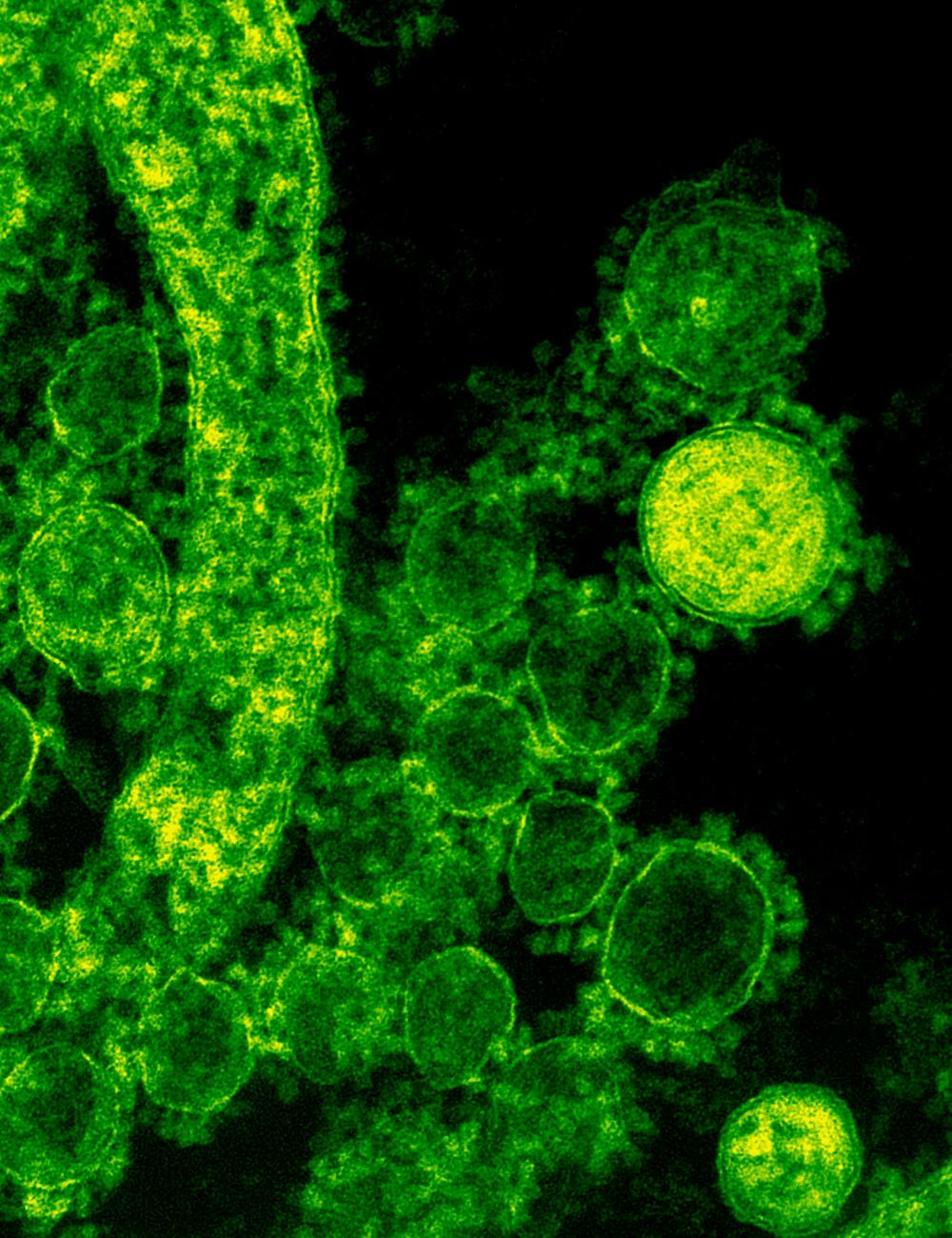
When we think about gut health, Lactobacillus and Bifidobacterium usually steal the spotlight. But deep in the lesser-known corners of your microbiome live two unsung heroes: Gordonibacter and Eggerthella. These bacteria don’t just digest food — they transform it, unlocking powerful health benefits hidden in the plants we eat.
Why These Bacteria Matter
Both Gordonibacter and Eggerthella are part of your gut’s anaerobic workforce — bacteria that thrive without oxygen and specialise in metabolising polyphenols, the antioxidant-rich compounds found in many plant-based foods.
🧪 Gordonibacter: The Urolithin Converter
Gordonibacter (particularly Gordonibacter urolithinfaciens) is best known for converting ellagic acid — found in foods like pomegranates and walnuts — into urolithins, compounds that have shown promising effects in:
- Reducing inflammation
- Supporting mitochondrial health
- Possibly slowing aspects of ageing
But here’s the catch: not everyone has enough Gordonibacter in their gut to produce urolithins effectively. This helps explain why people respond differently to the same “superfoods.”
🧪 Eggerthella: The Versatile Metaboliser
Eggerthella lenta, while sometimes associated with infections when it escapes the gut, plays a crucial role in polyphenol metabolism and can modify other plant compounds, like lignans, into more bioavailable forms. It also influences how the body processes certain drugs.
How to Feed These Hidden Helpers
Unlike probiotics you can pop in a capsule, Gordonibacter and Eggerthella rely on the right diet to thrive and do their job.
🍇 Natural Sources for Gordonibacter
To encourage Gordonibacter activity, focus on foods rich in ellagitannins and ellagic acid:
- Pomegranates
- Raspberries, strawberries, blackberries
- Walnuts and pecans
- Chestnuts
- Oak-aged red wine
These foods provide the raw material for Gordonibacter to produce urolithins — but only if the microbes are present and active.
🌾 Natural Sources for Eggerthella
Eggerthella responds well to lignan-rich and polyphenol-dense foods, including:
- Flaxseeds (the richest natural source of lignans)
- Sesame seeds
- Whole grains
- Broccoli, kale, cabbage
- Green tea
- Turmeric (curcumin)
- Dark chocolate and cocoa
These plant compounds act as substrates for Eggerthella, encouraging beneficial metabolic activity.
🥕 Supporting Their Environment with Prebiotics
These microbes also benefit from general prebiotic fibres that nourish the wider gut ecosystem and help keep conditions favourable for their growth:
- Inulin (found in chicory, onions, garlic)
- Resistant starch (from green bananas, cold potatoes)
- Pectin (apples, citrus peel)
- Arabinogalactans (carrots, tomatoes, radishes)
Final Thoughts
You may not be able to buy Gordonibacter or Eggerthella in a bottle, but you can feed them into action with the right foods. This kind of precision nutrition — feeding specific microbes to unlock specific health benefits — is the future of gut health.
If you’ve ever wondered why berries or pomegranates seem to work wonders for some but not for others, the answer may lie in the microbes you’re feeding — or not feeding — every day.
Leave a Reply
You must be logged in to post a comment.