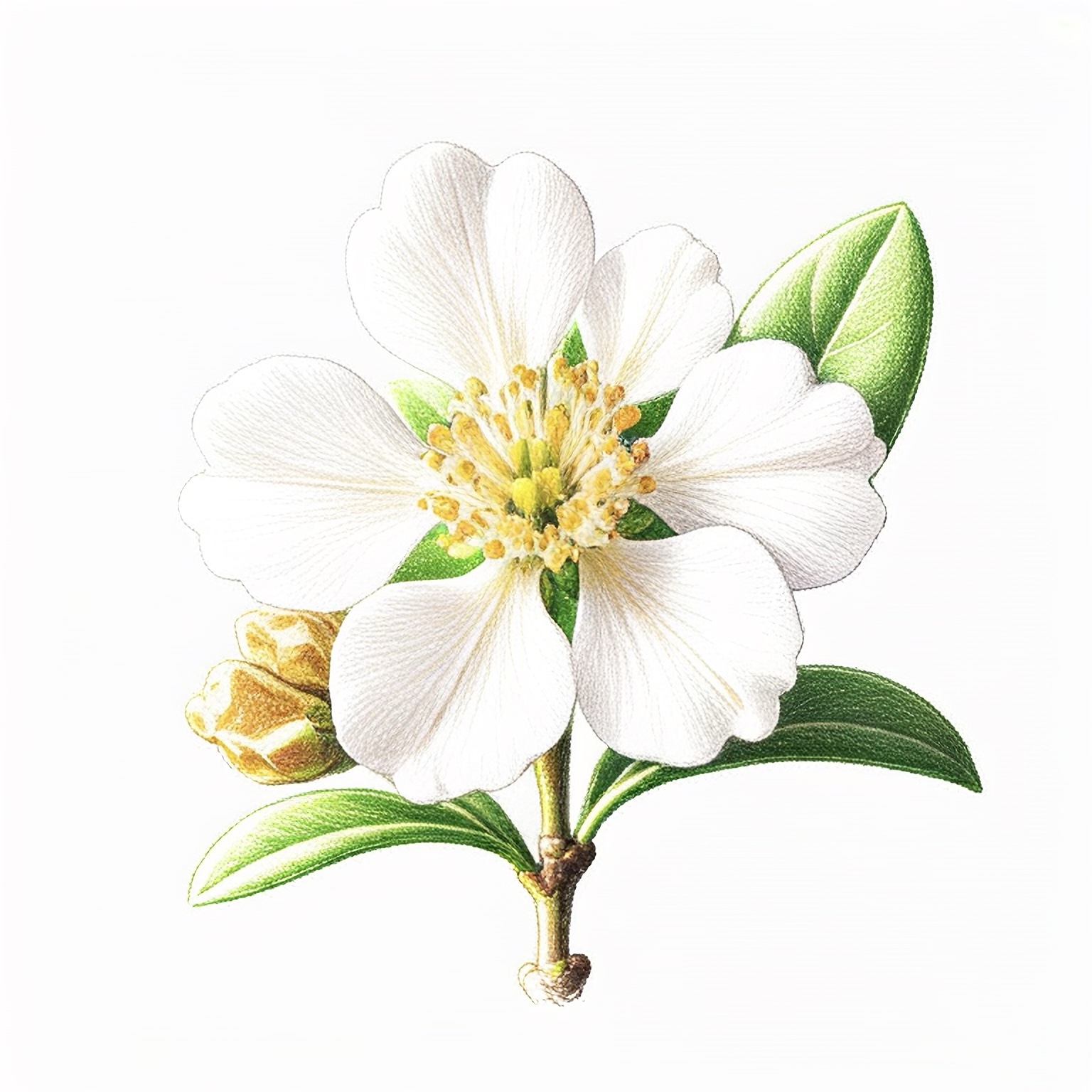
Frankincense (also known as olibanum) is an aromatic resin derived from trees of the Boswellia genus (primarily Boswellia sacra, Boswellia carterii, or Boswellia serrata). It has been prized for thousands of years in religious ceremonies, perfumes, incense, and traditional medicine (e.g., Ayurveda and ancient Egyptian practices). The resin is harvested by making incisions in the tree bark, allowing the sap to harden into “tears.” It’s often steam-distilled to produce essential oil.
Common Forms
- Resin tears: Burned as incense.
- Essential oil: Used in aromatherapy, skincare, and diffusion.
- Extracts/supplements: From the resin, sometimes taken orally for health benefits (consult a doctor).
Key Benefits and Uses
Frankincense is celebrated for its woody, earthy, spicy aroma with balsamic notes. Evidence from studies (preclinical, animal, and some human trials) suggests potential benefits, though more research is needed:
- Skin Health: Often called the “king of oils” for anti-aging. Topical use may reduce wrinkles, scars, blemishes, and improve elasticity. Dilute with a carrier oil (e.g., jojoba) and apply to face or body.
- Relaxation and Meditation: Grounding scent promotes calm, reduces stress/anxiety. Diffuse or inhale during yoga/prayer.
- Respiratory Support: May ease breathing and clear congestion; useful in diffusers during cold season.
- Anti-Inflammatory Effects: Boswellic acids (in resin/extracts, less in oil) may help with joint pain, arthritis, or muscle tension.
- Immune and Overall Wellness: Preclinical research indicates potential cellular health support and soothing effects.
How to Use
- Diffusion: 3–5 drops in a diffuser for aroma.
- Topical: Dilute 1–2 drops in carrier oil; patch test first.
- Incense: Burn resin on charcoal for traditional use.
- Blends Well With: Lavender, sandalwood, citrus oils.
Safety Notes
- Generally well-tolerated and non-toxic.
- Possible skin irritation if undiluted; avoid eyes/mucous membranes.
- Not for internal use unless food-grade and under guidance.
- Consult a doctor if pregnant, nursing, or on medications (may thin blood).
- Choose sustainable sources—some Boswellia species are threatened due to overharvesting.
Frankincense remains popular in modern wellness, from doTERRA and Young Living oils to organic resins. For high-quality options, look for certified organic or sustainably sourced products. Enjoy its timeless, uplifting essence!
Floral Origins of Frankincense
Frankincense originates from the resin of trees in the Boswellia genus (family Burseraceae), not from flowers directly. The aromatic resin—harvested by tapping the bark—is what provides the iconic scent, often described as woody, balsamic, spicy, earthy, with subtle citrus, pine, and light floral undertones in some varieties. These “floral” notes in the aroma come from the chemical compounds in the resin (e.g., terpenes like limonene), not from extracting perfume from blossoms.
Botanical and Geographical Origins
- Primary Species:
- Boswellia sacra (syn. B. carterii): Considered the classic source of high-quality frankincense. Native to Oman, Yemen, Somalia, and parts of Ethiopia.
- Boswellia frereana: Somalia (known as “Maydi” or “king of frankincense”).
- Boswellia papyrifera: Ethiopia, Eritrea, Sudan (sometimes sweeter, more citrusy-floral aroma).
- Boswellia serrata: India (used in Ayurvedic traditions).
- Habitat: These hardy, small deciduous trees (2–8 meters tall) thrive in arid, rocky deserts and escarpments of the Arabian Peninsula and Horn of Africa. They often grow directly from limestone rocks with papery, peeling bark and sparse, compound leaves.
The Flowers of Boswellia Trees
While the resin is the star, the trees do produce flowers—small and understated, not the source of commercial fragrance:
- Typically small, white to pale yellow-white or pinkish petals (5 petals per flower).
- Arranged in axillary clusters or racemes (up to 10–20 cm long) at branch ends.
- Features 10 stamens and a nectar disk; some species (e.g., B. papyrifera) have sweetly scented blooms on red stalks.
- Blooming supports local pollinators and honey production, but the flowers are not harvested for scent.
Why the Scent Has Floral Notes
Certain frankincense varieties (e.g., from B. papyrifera) exhibit sweet, slightly floral nuances alongside citrus and spice. In perfumery, frankincense essential oil/resin is prized for blending with actual florals (rose, jasmine, lilac) to enhance brightness and depth. The overall profile remains resinous and grounding, evoking ancient incense rather than a blooming garden.
Frankincense’s true “floral origins” lie in its ancient, desert-born botanical roots—timeless trees yielding a sacred resin that hints at floral elegance amid earthy richness. Sustainable sourcing is key, as many Boswellia populations face decline from overharvesting.
Leave a Reply
You must be logged in to post a comment.