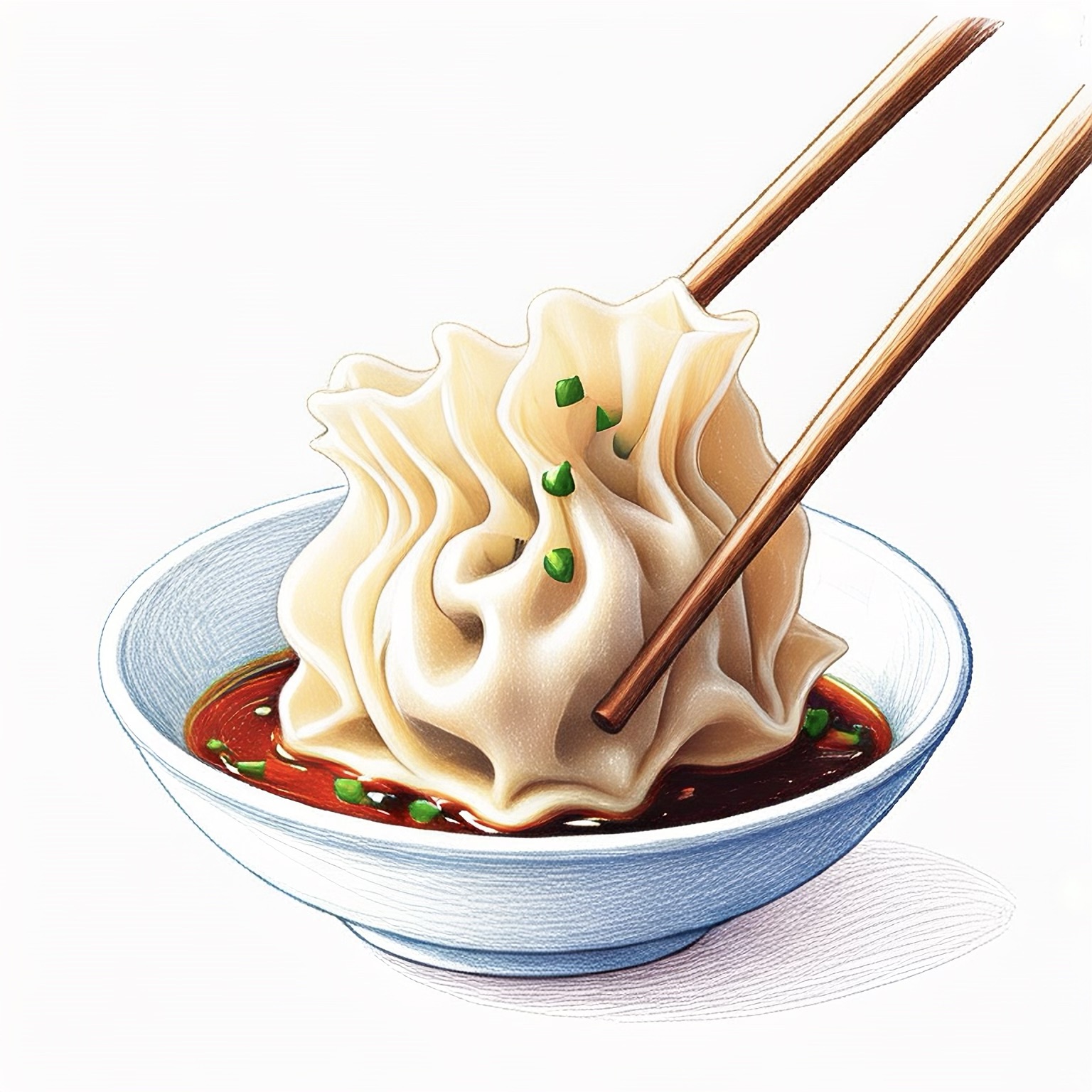
Craving dumplings but not the carbs? These parsnip wraps are a game-changer.
Introduction
We all love the satisfying bite of a crispy wonton. But let’s be honest—rolling out dough or dealing with delicate store-bought wrappers isn’t always fun. Plus, what if you are eating low-carb or just want to sneak more vegetables into your meal?
Enter the Parsnip Wonton.
Not a wonton filled with parsnip, but a wonton made of parsnip. By using thin slices of this sweet, earthy root vegetable, we can create a wrapper that is gluten-free, keto-friendly, and absolutely delicious. They are delicate, so you have to treat them with love, but the payoff is a unique dish that feels fancy without the flour.
Here is how to master the art of the parsnip wrapper.
Why Parsnips Work
Parsnips are the unsung heroes of the vegetable world. They look like pale carrots, but when cooked, they become buttery and slightly sweet. When sliced thin and blanched, they become surprisingly pliable—pliable enough to wrap around a filling.
Step 1: Slicing for Success
You cannot do this with a knife (trust me, I’ve tried). You need a mandoline slicer.
· Aim for 1-2mm thickness. Too thick, and the parsnip will snap when you try to fold it. Too thin, and it will turn to mush.
· The Blanch: Bring a pot of salted water to a boil. Drop the slices in for exactly 60 to 90 seconds. You want them just flexible enough to bend without cracking.
· Ice Bath: Immediately scoop them out and plunge them into ice water. This stops them from cooking further and keeps that vibrant color. Pat them bone-dry with a paper towel before you start filling.
Step 2: Making the “Glue”
Flour wrappers use water or egg to seal. Parsnips need starch. The easiest way to make them stick?
Put starch in the filling.
By mashing a bit of cooked parsnip (or potato) into your filling mixture, you create a natural paste. When you press the two slices together, that starchy filling acts like glue.
Step 3: Folding (Keep it Simple)
Forget the complicated pleats of a classic wonton. With parsnip, simple shapes work best:
· The Ravioli: Place filling in the center of one slice. Top with another slice. Press the edges firmly.
· The Half-Moon: Fold one slice over the filling (like a taco) and press the curved edge to seal.
Step 4: Cooking (The “No-Boil” Rule)
Here is the golden rule: Do not boil these like regular wontons. An aggressive boil will tear your hard work apart.
Instead, I recommend the Pan-Fry Method:
- Heat a mix of butter and olive oil in a non-stick skillet over medium heat.
- Gently place the parsnip parcels in the pan. They should sizzle gently, not violently.
- Cook for 2-3 minutes per side, until they are golden brown and the edges are lightly crisped.
- The parsnip will be tender, sweet, and slightly caramelized.
The “Soup” Method:
If you absolutely must have them in soup, prepare your broth. Then, turn the heat off the broth, gently slide the raw parcels in, and let the residual heat warm them through for 3-4 minutes. This prevents the convection current from tearing them.
Recipe: Brown Butter & Sage Parsnip Ravioli
Yield: 12-15 parcels
Filling:
· 1/2 cup Ricotta cheese
· 2 tbsp grated Parmesan
· 1 tbsp fresh sage, chopped
· Zest of 1 lemon
· Salt & Pepper
Wrappers:
· 2 large parsnips, sliced and blanched as instructed above.
Assembly & Cooking:
- Mix the filling ingredients.
- Place a small teaspoon of filling on half the parsnip slices. Top with another slice and press to seal.
- Pan-fry in butter for 2-3 minutes per side until golden.
- In the same pan, add extra butter and fresh sage leaves. Cook until the butter browns and smells nutty.
- Pour the sauce over the ravioli and serve immediately.
Final Thoughts
Are these easier than using dough? No. But are they a fun, creative, and delicious way to eat low-carb? Absolutely. They have a delicate sweetness that pairs perfectly with rich, savory flavors.
Give them a try and let me know how they turn out in the comments below!
Leave a Reply
You must be logged in to post a comment.