When it comes to feeling energised, sleeping well, and supporting your muscles and nerves, magnesium is a quiet hero. Yet, many of us aren’t getting enough from our diets. Fortunately, nature offers plenty of delicious and healthy ways to top up your magnesium levels—no supplements required.
Why Magnesium Matters
Magnesium is an essential mineral involved in over 300 biochemical reactions in the body. It helps:
- Convert food into energy
- Regulate muscle and nerve function
- Support bone health
- Maintain a steady heartbeat
- Promote better sleep and stress resilience
Even a mild deficiency can leave you feeling tired, tense, or off balance. But the good news is, you can easily get what you need from food—if you know where to look.
Top Magnesium-Rich Foods
Let’s break down the best food sources by category:
🥬
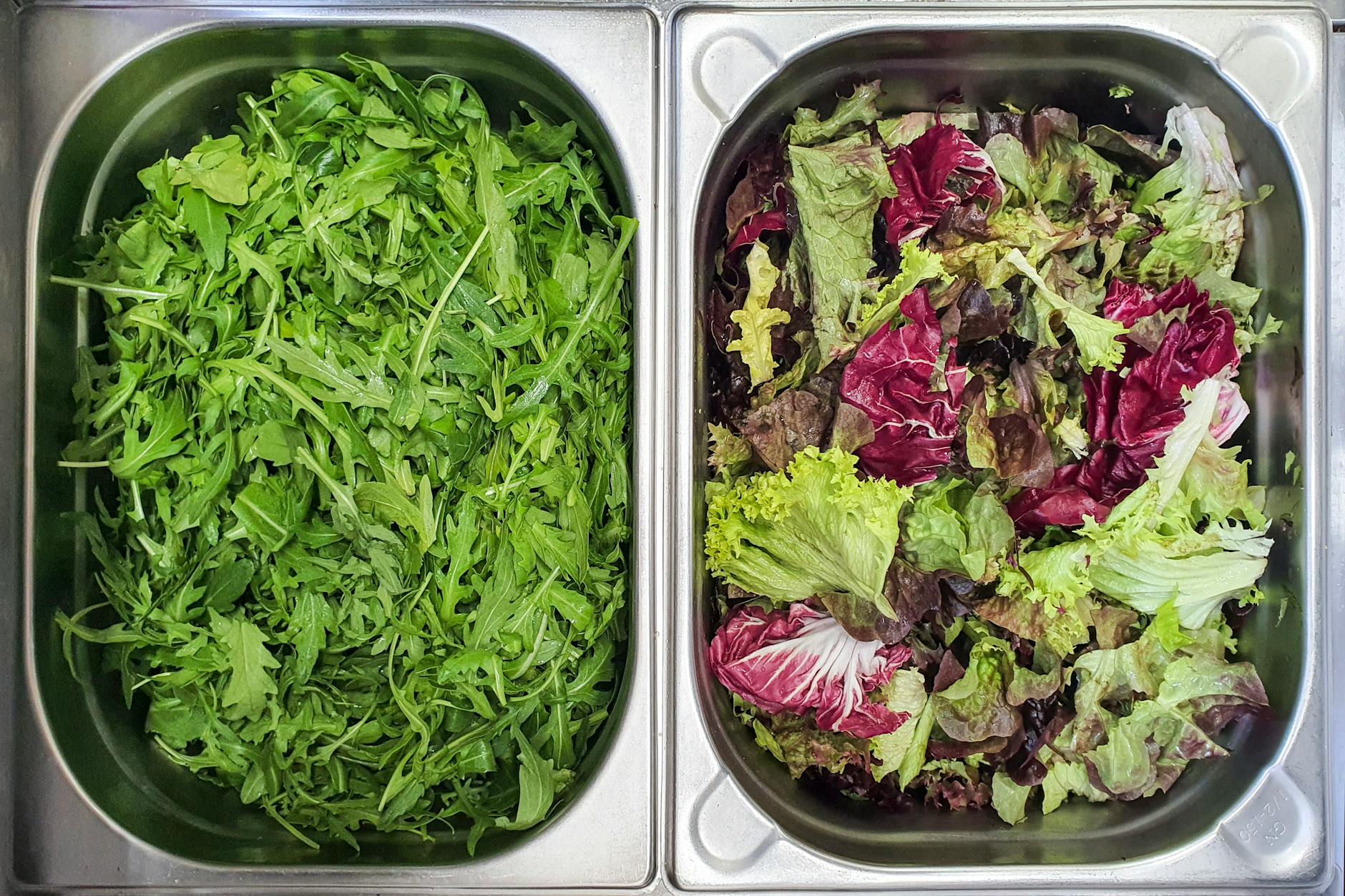
Leafy Greens
Dark, leafy greens are packed with magnesium—and they’re also rich in iron, fibre, and antioxidants.
- Spinach (especially cooked)
- Swiss chard
- Beet greens
- Kale
Try adding a handful to soups, omelettes, or smoothies.
🥜
Nuts and Seeds
Just a small handful of nuts or seeds can give you a serious magnesium boost.
- Pumpkin seeds: Among the highest natural sources
- Almonds and cashews
- Chia and flaxseeds
- Sunflower seeds
Snack on them raw, sprinkle on porridge or yoghurt, or blend into homemade energy bars.
🌾
Whole Grains and Pulses
Magnesium is found in the germ and bran layers of grains, so whole is better.
- Quinoa
- Brown rice
- Oats
- Lentils, black beans, and chickpeas
Grain bowls, curries, and hearty salads are easy ways to incorporate these.
🥑
Fruit and Veg
Certain fruits and veg are not only rich in fibre and vitamins but also contribute to your magnesium intake.
- Avocados
- Bananas
- Figs (fresh or dried)
- Raisins and blackberries
- Okra and edamame
Perfect for smoothies, salsas, or as a snack.
🍫
Other Surprising Sources
- Dark chocolate (70% cocoa or higher): A magnesium-rich treat with antioxidant benefits
- Tofu and tempeh: Excellent plant-based proteins
- Natural yoghurt: Combine with nuts and fruit for a magnesium-rich breakfast
- Mineral water: Some brands list magnesium content on the label
A Balanced Approach
The recommended daily intake of magnesium for adults is around 300–400 mg, though this varies slightly by age and sex. Focusing on a diverse, whole-food diet will generally get you there naturally—and with added benefits like fibre, healthy fats, and phytonutrients.
Final Thoughts
Magnesium might not get the spotlight that vitamin C or protein does, but it’s essential for your everyday health. From reducing fatigue to improving sleep and supporting your heart, it pays to keep your levels topped up—naturally.
So the next time you’re reaching for a snack or planning your meals, think magnesium. Your body will thank you.
Leave a Reply
You must be logged in to post a comment.