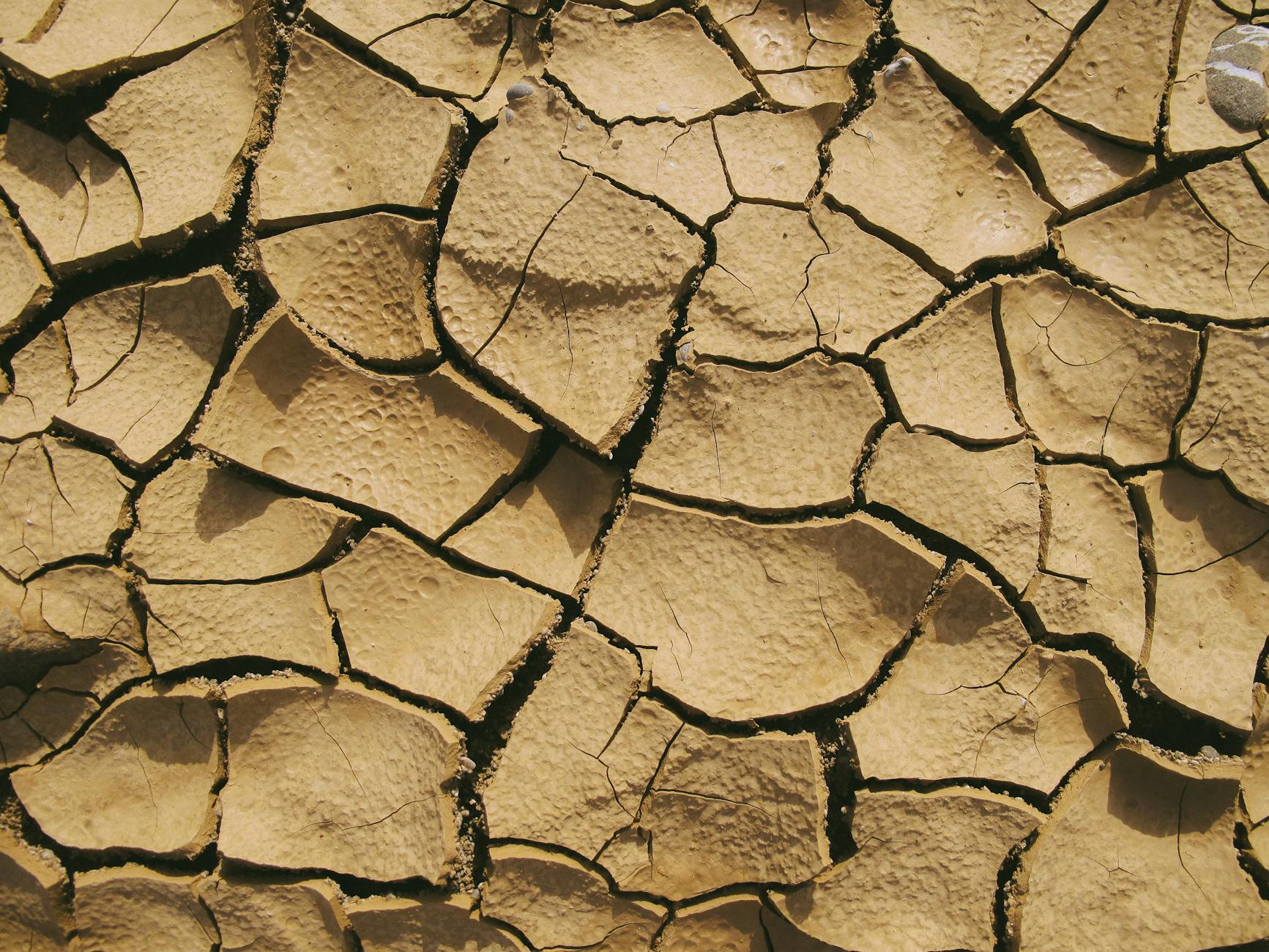
Of course. Bentonite clay, often called “healing clay” or “Montmorillonite clay,” has been used for centuries by various cultures for its purported health and wellness benefits. It’s formed from volcanic ash and is named after Fort Benton, Wyoming, where the largest known deposit is found.
Here is a detailed breakdown of the benefits of bentonite clay, supported by both traditional use and emerging scientific research.
How It Works: The Key Mechanism
Bentonite clay’s primary mode of action is adsorption and absorption.
- Adsorption: The clay’s particles have a negative electrical charge, while toxins, impurities, and heavy metals have a positive charge. The clay acts like a magnet, drawing and binding positively charged particles to its surface.
- Absorption: Like a sponge, the clay swells and soaks up impurities and excess substances (like oil and dirt) into its internal structure.
Top Benefits and Uses of Bentonite Clay
1. Skin Care and Topical Applications
This is one of the most popular and well-supported uses for bentonite clay.
- Deep Cleansing & Oil Control: It effectively draws out dirt, toxins, and excess sebum from pores, making it excellent for oily and acne-prone skin.
- Acne Treatment: Its antibacterial properties (especially against C. acnes bacteria) and oil-absorbing ability can help reduce inflammation and the frequency of breakouts.
- Soothing Irritation: The clay can calm skin conditions like eczema, psoriasis, poison ivy, and bug bites due to its rich mineral content (calcium, potassium, magnesium) and soothing nature.
- Exfoliation: When rinsed off, the clay provides gentle physical exfoliation, removing dead skin cells and leaving skin smoother.
2. Detoxification and Digestive Health (Internal Use)
Important Note: You should only use food-grade bentonite clay internally and consult a healthcare professional before doing so, especially if you are on medication.
- Binding Toxins: In the digestive tract, it can bind to toxins, heavy metals (like lead and mercury), and other harmful chemicals, helping the body eliminate them.
- Supporting Gut Health: It may help alleviate symptoms of bloating and gas by removing irritants from the gut. Some believe it can create a healthy environment for good bacteria to flourish.
- Relieving Digestive Issues: It has been traditionally used to manage symptoms of IBS, constipation, and diarrhea. However, it can be constipating for some, so adequate water intake is crucial.
3. Oral Health
- Natural Toothpaste & Tooth Powder: Its mild abrasiveness helps remove plaque and stains. Its adsorption properties may also help draw toxins from the gums and promote a healthier oral microbiome.
- Remineralization: Bentonite clay is rich in minerals like calcium, which may contribute to strengthening tooth enamel.
4. Hair Care
- Clarifying Shampoo: It effectively removes product buildup, dirt, and excess oils from the scalp and hair strands without stripping natural oils as harshly as some sulfates.
- Promotes Scalp Health: By cleansing deeply, it can help reduce dandruff and soothe a dry, itchy scalp.
5. Other Potential Benefits
- Immune Support: By reducing the toxic burden on the gut (a major part of the immune system), bentonite clay may indirectly support immune function.
- Animal Care: Pet owners often add small amounts of food-grade clay to their animal’s diet or water to aid digestion and remove parasites. It’s also used in poultices for animal wounds.
Important Considerations and Potential Risks
- Choose the Right Type: Only use “food-grade” or “USP-grade” bentonite clay if you plan to consume it. Cosmetic-grade clay is for external use only.
- Heavy Metal Content: Low-quality clay can contain heavy metals like lead. Always purchase from a reputable source that provides lab testing results.
- Constipation: If taken internally without enough water, it can cause severe constipation or even bowel obstruction. Drink plenty of water.
- Interference with Medication: Because it’s so effective at binding to substances, it can bind to medications and nutrients, making them less effective. Take bentonite clay separately from medications and supplements (at least 2 hours apart).
- Patch Test: For topical use, always do a patch test on a small area of skin first to ensure you don’t have a reaction.
How to Use It
- Face Mask: Mix clay with water, apple cider vinegar, or aloe vera to form a paste. Apply, let dry for 10-20 minutes, and rinse. ACV helps neutralize the clay’s pH for skin.
- Hair Mask: Mix with water and apply to scalp and hair. Massage and rinse thoroughly.
- Internal Use: Consult a doctor first. Typically, 1/2 to 1 teaspoon is mixed into a large glass of water and consumed once daily, away from meals and medications.
Disclaimer: While bentonite clay has many traditional and anecdotal benefits, more robust scientific research is needed to confirm some of its uses. It is not intended to diagnose, treat, cure, or prevent any disease. Always prioritize safety and consult a healthcare professional before starting any new health regimen.
Leave a Reply
You must be logged in to post a comment.