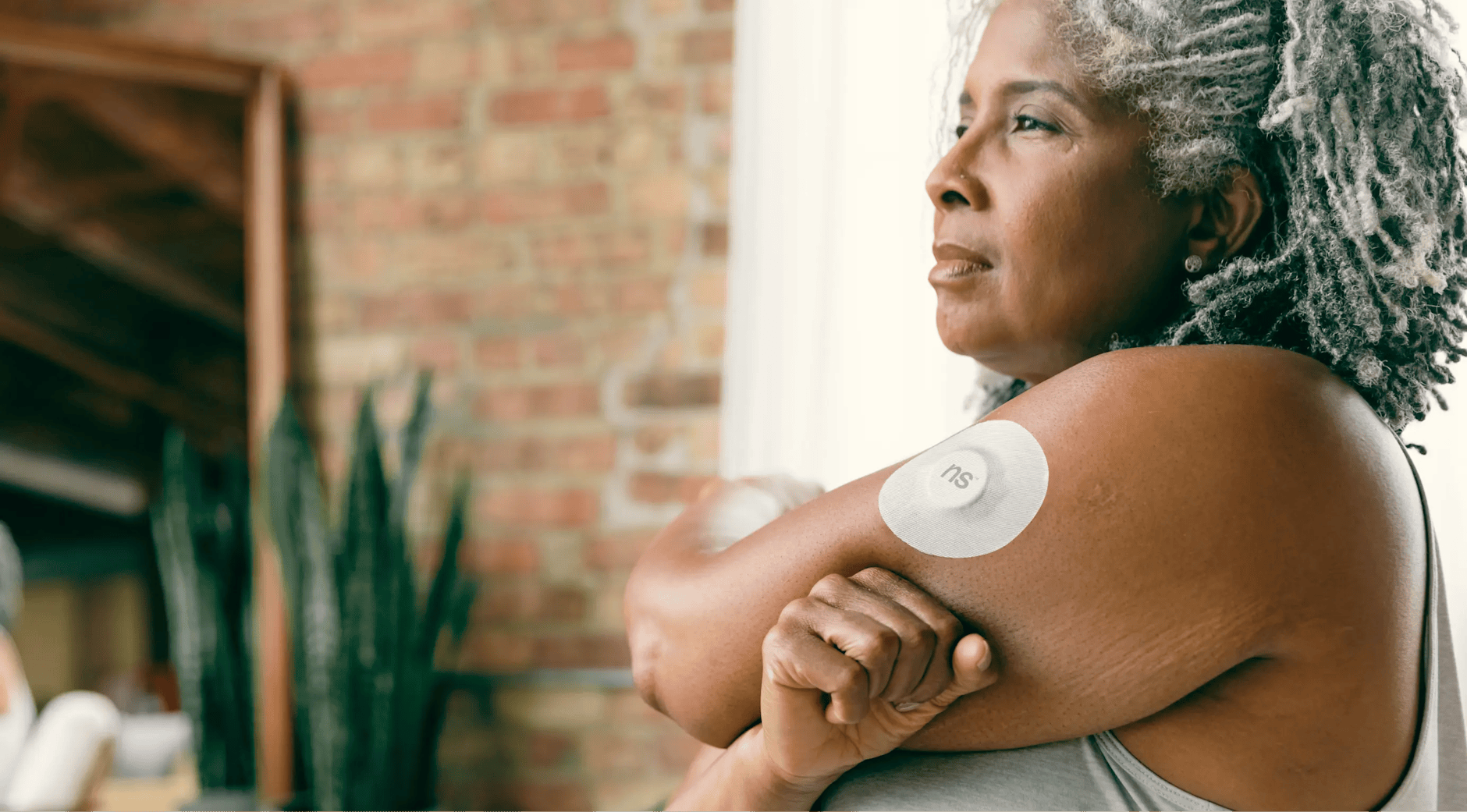
The accuracy of wrist-worn devices that claim to measure blood glucose directly from the skin is currently very poor, and health authorities strongly advise against using them for medical decisions . This is a crucial distinction from FDA-cleared continuous glucose monitors (CGMs) that use a tiny sensor inserted under the skin and can send data to a smartwatch for display .
Here is a breakdown of the accuracy and status of different types of glucose-monitoring watches.
| Feature | Non-Invasive Smartwatches (Direct Measurement) | FDA-Cleared CGMs with Smartwatch Display |
|---|---|---|
| Technology | Uses optical or electromagnetic sensors to estimate glucose through the skin without piercing it . | Uses a tiny filament inserted under the skin to measure glucose in interstitial fluid . |
| Regulatory Status | Not authorized, cleared, or approved by regulatory bodies like the FDA or Health Canada . | Fully cleared by the FDA and other regulatory agencies . |
| Accuracy | Unreliable and inaccurate; one study found an economy smartwatch failed to detect blood glucose changes accurately . Their readings can lead to dangerous treatment errors . | Medically accurate for managing diabetes. A 2024 systematic review found an average MARD (Mean Absolute Relative Difference) of 9.4% , which indicates high accuracy . |
| Clinical Recommendation | Strongly discouraged by the FDA and diabetes experts for any medical purpose . | The preferred method for glucose monitoring, especially for those on insulin . Readings should be confirmed with a fingerstick if symptoms don’t match . |
| Examples | Generic “economy” smartwatches, Suga Pro, Chronovibe Diabeto Ultra . | Dexcom G7, Abbott FreeStyle Libre 3, Medtronic Simplera . |
🚫 Why Non-Invasive Watches Are Not Accurate
The fundamental challenge is that these non-invasive watches attempt to estimate blood glucose indirectly, a problem that technology has not yet solved reliably.
- No FDA Authorization: The U.S. Food and Drug Administration (FDA) has not authorized, cleared, or approved any smartwatch or smart ring that claims to measure blood glucose on its own . The agency issued a safety communication in February 2024 warning consumers not to use them, as their safety and accuracy haven’t been evaluated .
- Proven Inaccuracy: A 2025 study from CUNY that compared an economy smartwatch to an FDA-approved CGM during a glucose tolerance test found that the smartwatch was not accurate in its assessment of blood glucose and should not be used for any medical decision-making .
- Dangerous Consequences: Because these devices are inaccurate, relying on them to make treatment decisions—like calculating an insulin dose—could lead to serious health consequences, including dangerous hypoglycemia .
✅ The Accurate Alternative: CGMs That Connect to Watches
It’s important to know that there is a safe and accurate way to view glucose data on your wrist. This involves using two separate devices: a medically-approved CGM and a smartwatch that acts as a display.
- How It Works: An FDA-cleared CGM (like a Dexcom G7 or Abbott FreeStyle Libre 3) uses a small sensor placed under the skin to measure glucose in the fluid just below the skin cells . This data is then sent wirelessly via Bluetooth to a smartphone app, which can then send the information to a connected smartwatch .
- High Accuracy of CGMs: These medical devices are held to strict accuracy standards. A major 2024 systematic review of current CGM devices found an average overall diagnostic accuracy of 9.4% (measured by MARD) . Another study comparing the latest models found they provide consistent and reliable data for diabetes management . For example, 99% of readings from modern CGMs fall within clinically safe zones when making treatment decisions .
In short, if you see a watch advertised as a standalone blood glucose monitor, it is not accurate and should be avoided. For safe and reliable glucose monitoring on your wrist, you need an FDA-cleared CGM that can send its data to a compatible smartwatch.
I hope this helps you make an informed decision. If you are considering a CGM, consulting with your doctor is the best next step to find the right option for your health needs .
Future Promise
There are, however, very promising indications that non-invasive glucose monitoring techniques are likely to improve significantly in the future. While current consumer wristwatches that claim to measure blood glucose directly are not accurate and are strongly discouraged by health authorities , the field of non-invasive research is advancing rapidly. The core challenge is shifting from if it can be done to how to do it with the necessary medical-grade reliability.
The progress is being driven by a combination of more sophisticated hardware, advanced artificial intelligence (AI), and a deeper understanding of the human body’s complexities. Here is a summary of the key areas where significant improvements are being made:
| Technology/Approach | Key Innovation | Reported Progress / Result | Source |
|---|---|---|---|
| PPG with Monthly Calibration | Single monthly pretest using inferred HbA1c. | Achieved MARD of 9.59% in simple cohort; zero clinically unsafe readings. | NIH Study |
| Multi-Modal Sensing | Combining GSR (skin response) & HR for hypoglycemia detection. | Enhanced detection sensitivity using machine learning on wearable signals. | arXiv Preprint |
| AI-Driven Wristwatch | ML algorithms using PPG, demographics, and personal medical data. | Estimates largely within FDA iCGM norms; proof-of-concept in diverse subjects. | American Diabetes Association |
| Multi-Modal Fusion | Combining spectroscopy, electrochemistry, and microwave sensing. | Reduces detection errors to 8.7% through signal complementarity. | MATEC Conference Paper |
| Millimeter-Wave Radar | Continuous monitoring using radar technology. | Achieved strong correlation (r=0.912) with 5-minute continuous monitoring. | MATEC Conference Paper |
| Reducing Physiological Lag | Using electro-osmotic flow to speed up glucose transport to sensors. | Reduced lag time from 20 minutes to 5 minutes in a microfluidic model. | NIH Study |
✅ The Most Promising Advancements
Several specific breakthroughs point toward a future where non-invasive monitoring becomes a reality:
- Breakthroughs in Optical (PPG) Accuracy: Photoplethysmography (PPG), the same technology used in smartwatches for heart rate monitoring, is a leading candidate. A major 2025 study published by the NIH showed that by using a single monthly calibration pretest combined with an inferred HbA1c (glycated hemoglobin) feature, a PPG-based model could achieve a Mean Absolute Relative Difference (MARD) of just 9.59% for a certain group of diabetes patients . This level of accuracy is a significant leap forward, and the study reported that this method produced no clinically unacceptable readings on the standard Parkes Error Grid .
- The Power of Combining Technologies: Researchers are finding that no single non-invasive signal is perfect on its own. The future lies in multi-modal sensing. By fusing data from different sources—such as galvanic skin response (GSR), heart rate (HR), optical signals, and even radar—and processing it with sophisticated AI, accuracy improves dramatically . One review highlighted that such an approach can reduce detection errors to as low as 8.7% .
- AI and Machine Learning are Game Changers: Artificial intelligence is the engine powering these advancements. Machine learning algorithms can identify complex patterns in physiological data that are impossible for traditional analysis to detect. For example, the LIFELEAF wristwatch prototype uses AI to analyze 17 different features from its PPG signal, including demographics and personal medical data, to estimate glucose levels with promising results in a diverse population . Another study showed that deep learning models could correct up to 83% of errors caused by physiological factors like lag time .
- Addressing the “Lag Time” Challenge: A fundamental issue with monitoring glucose in interstitial fluid (the fluid under the skin) is that it lags behind actual blood glucose levels by 15-20 minutes, especially during rapid changes . This is dangerous for detecting hypoglycemia. Innovative research is now exploring how to reduce this lag. One study demonstrated that using a mild electrical current to create electro-osmotic flow could reduce this lag time from 20 minutes down to just 5 minutes in a lab model, potentially making future sensors much more responsive and safer .
🤔 Challenges on the Path to Widespread Use
Despite the incredible progress, significant hurdles remain before these technologies become available in your local pharmacy or as a standard feature on a smartwatch.
- Individual Variability: A person’s unique physiology—skin tone, blood vessel structure, metabolism—can significantly affect sensor readings. One review noted that calibration variation coefficients between individuals can still exceed 12% , meaning a device might need personalized tuning to work accurately for everyone .
- Complex Patient Groups: Accuracy tends to decrease for people with more complex health profiles. For instance, the PPG study that achieved 9.59% MARD in a simple cohort saw its accuracy drop to a MARD of 16.40% for patients taking multiple medications . This shows that the technology still needs refinement for broader applicability.
- Regulatory Approval: As of early 2026, no standalone, non-invasive watch has been cleared or approved by the FDA . While prototypes are showing great results in studies, they must still pass rigorous regulatory reviews to prove they are safe and accurate enough for consumers to use for medical decisions.
💡 How to Think About This Progress
It might be helpful to distinguish between the two main paths forward:
- The “Holy Grail” – Fully Non-Invasive: This is the technology we’ve been discussing—a watch or ring that uses light or radio waves to measure glucose through the skin with zero penetration. This is what the research above is aiming for, and the progress is genuine and exciting.
- The “Here and Now” – Minimally Invasive: This is what is already available and approved. FDA-cleared Continuous Glucose Monitors (CGMs) like the Dexcom G7 or FreeStyle Libre 3 use a tiny, painless filament inserted just under the skin. They are highly accurate and can send data directly to a smartwatch . This is currently the only reliable way to get glucose data on your wrist.
In summary, the future of non-invasive glucose monitoring is bright. The limitations of current devices are being systematically addressed through cutting-edge research in AI, sensor fusion, and a better understanding of human physiology. While we aren’t there yet, the scientific community is making remarkable strides toward a day when painless, accurate, and continuous glucose monitoring is available to everyone.
I hope this detailed overview is helpful. Are you interested in learning more about any of these specific technologies, such as how optical sensors work or the role of machine learning?
Leave a Reply
You must be logged in to post a comment.