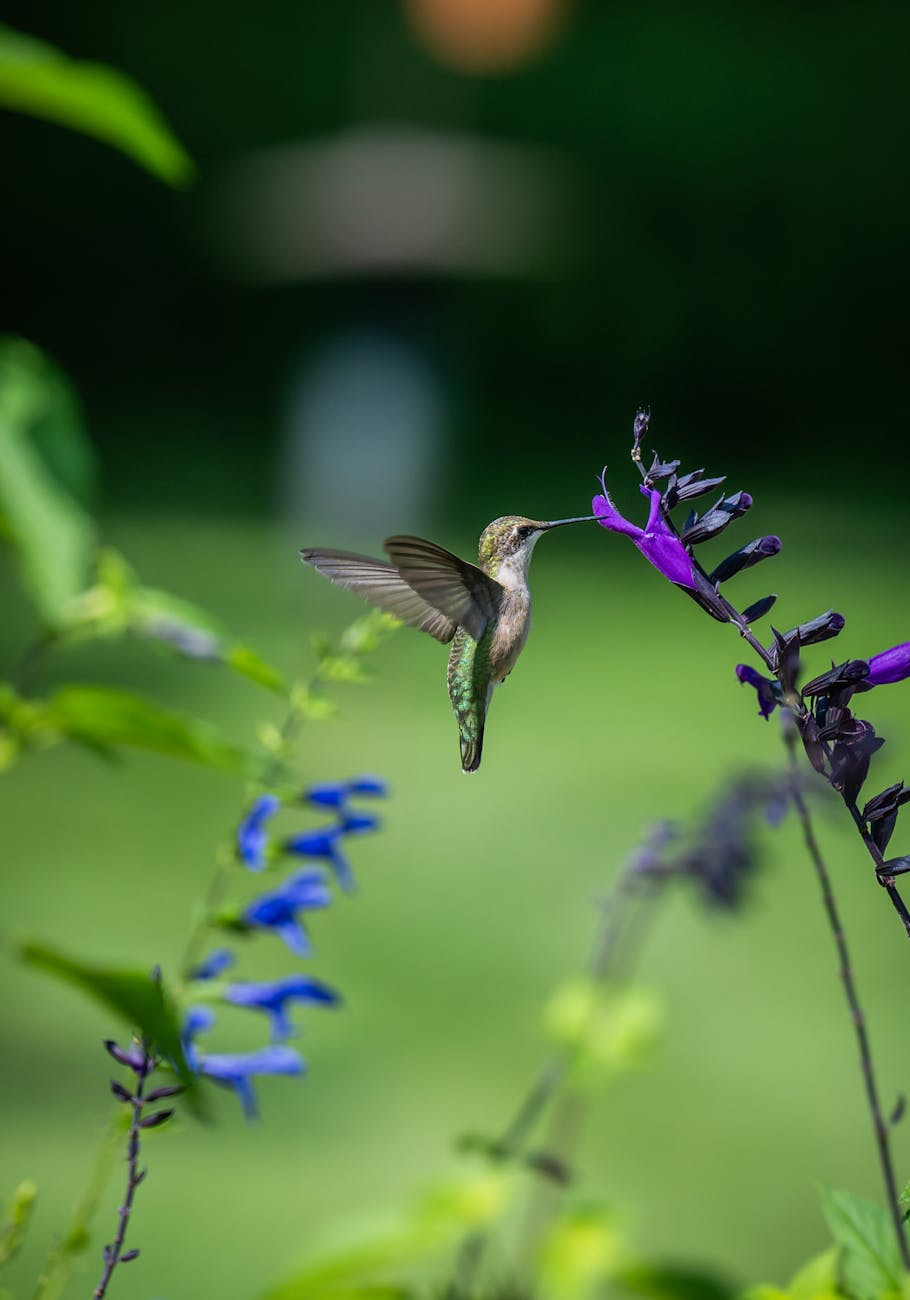
Of course! “Salvia ‘Hot Lips’” is a fantastic and very popular ornamental plant. Here’s a comprehensive overview of everything you need to know about it.
What is Salvia ‘Hot Lips’?
Salvia ‘Hot Lips’ (often labeled as Salvia microphylla ‘Hot Lips’) is a woody-stemmed, evergreen perennial shrub known for its striking and whimsical bi-colored flowers. It’s a member of the mint family (Lamiaceae), which means it has square stems and aromatic foliage.
Key Characteristics
- Flowers: This is its standout feature. The flowers are a combination of bright red and pure white. The pattern can change depending on the temperature and the age of the plant:
- Classic “Hot Lips”: A bright red base with a clean white tip, resembling painted lips.
- In Hot Weather: Flowers may be almost entirely white.
- In Cool Weather: Flowers can be almost entirely red.
- Sometimes: You’ll get a mix of all three patterns (red, white, and bi-colored) on the same plant!
- Blooming Period: It has an exceptionally long flowering season, typically from early summer right through to the first frosts of autumn.
- Foliage: The leaves are small, oval, mid-green, and slightly glossy. They have a pleasant, minty-aromatic scent when crushed.
- Size: It forms a bushy, rounded mound, typically reaching about 2-3 feet (60-90 cm) in both height and spread.
- Hardiness: It is best suited for USDA Hardiness Zones 8-10. In colder zones, it can be grown as an annual or overwintered indoors.
Why Gardeners Love It
- Long-Lasting Color: It blooms non-stop for months, providing reliable color in the garden.
- Pollinator Magnet: It is a powerhouse for attracting hummingbirds, bees, and butterflies.
- Drought Tolerant: Once established, it is very tolerant of dry conditions, making it excellent for water-wise gardens (xeriscaping).
- Deer and Rabbit Resistant: The aromatic foliage is typically unappealing to deer and rabbits.
- Low Maintenance: It requires very little care beyond an occasional pruning.
How to Grow and Care for Salvia ‘Hot Lips’
Sunlight: Thrives in full sun. The more sun it gets, the more flowers it will produce.
Soil: Prefers well-draining soil. It tolerates a range of soil types, including poor and sandy soils, but will not survive in heavy, waterlogged clay.
Watering: Water regularly to get the plant established. After that, it is quite drought-tolerant. Water deeply but infrequently, allowing the soil to dry out between waterings.
Pruning: Pruning is key to keeping it looking tidy and promoting bushier growth.
- Spring: In early spring, give it a hard cut back (by about one-third to one-half) to remove any winter-damaged stems and encourage new growth.
- Deadheading: Not strictly necessary, as it’s a prolific self-cleaning bloomer. However, a light “haircut” mid-season if it looks leggy can encourage a fresh flush of flowers.
Fertilizer: Generally not required and can lead to more foliage than flowers. If your soil is very poor, a light application of a balanced, slow-release fertilizer in spring is sufficient.
Uses in the Garden
- Mixed Borders: Perfect for the middle of a sunny border.
- Container Planting: Does very well in pots, where its trailing habit can spill over the edges.
- Pollinator Gardens: An essential plant for any garden designed to support wildlife.
- Rock Gardens: Its drought tolerance makes it a great fit.
- Herb Gardens: While not a culinary sage, its aromatic foliage fits the theme.
A Note on the Name: Salvia
It’s important to distinguish this ornamental sage from the psychoactive plant often referred to as “Salvia” or “Salvia divinorum.” Salvia ‘Hot Lips’ is NOT psychoactive and is perfectly safe and legal to grow as an ornamental garden plant. They are different species within the same large genus.
In summary, Salvia ‘Hot Lips’ is a tough, beautiful, and long-blooming perennial that is easy to recommend for any sunny garden spot. Its charming, two-toned flowers and ability to attract pollinators make it a true garden superstar.
Essence beyond Capture
While technically possible, Salvia ‘Hot Lips’ is not considered a suitable or viable plant for commercial or home essential oil distillation. It is not used in the aromatherapy or fragrance industry for this purpose.
Here’s a detailed breakdown of why:
1. Low Essential Oil Yield
The most critical factor in essential oil production is yield—the amount of oil obtained from a large quantity of plant material. Plants like Lavender or Peppermint have specialized structures (trichomes) that produce and store significant amounts of volatile oil.
- Salvia ‘Hot Lips’ has only a modest amount of aromatic compounds in its leaves. The flowers, while visually stunning, contribute even less.
- It would take an immense quantity of plant material (hundreds of pounds) to produce even a tiny vial of oil, making the process incredibly inefficient and not cost-effective.
2. Composition and Safety of the Oil
The Salvia genus is vast and complex. The chemical profile of ‘Hot Lips’ has not been extensively studied for topical or aromatic use in the way that, for example, Salvia officinalis (Common Sage) or Salvia sclarea (Clary Sage) has been.
- Unknown Compounds: It may contain compounds that are irritating to the skin or mucous membranes.
- Thujone Content: Like many sages, it might contain small amounts of thujone, a ketone that can be neurotoxic in high concentrations. Common Sage (S. officinalis) oil is used but with specific safety guidelines due to this. The thujone level in an ornamental hybrid like ‘Hot Lips’ is unknown and therefore a potential risk.
3. Purpose of the Plant’s Aroma
The minty scent of ‘Hot Lips’ leaves is a defense mechanism against pests. It’s pleasant to smell in the garden but is not produced in a high enough concentration or with a stable enough profile to be valuable as a distilled fragrance.
4. Comparison to Commercial Salvias Used for Oil
To put it in perspective, here are Salvias that are distilled for essential oil:
- Clary Sage (Salvia sclarea): Prized for its warm, nutty, ambery scent. It’s used in perfumery and aromatherapy for its relaxing and euphoric properties.
- Common Sage (Salvia officinalis): Its oil is distilled and used for fragrance and flavoring, but with strict guidelines because of its high thujone content. It’s very potent.
- Spanish Sage (Salvia lavandulifolia): Often preferred in aromatherapy as it has a lower thujone content than Common Sage.
These plants have been selectively bred and are cultivated on a large scale specifically for their high-quality oil yield.
What You Can Do with Salvia ‘Hot Lips’ Scent
While distilling it for oil isn’t practical, you can still enjoy its fragrance:
- Herbal Sachets: Dry the leaves and flowers and use them in potpourri or sachets for drawers and closets.
- Smelling: Simply rub the leaves between your fingers while in the garden to release the fresh, clean scent.
- Decorative Use: Add sprigs to bouquets or floral arrangements for a touch of fragrance.
In conclusion, Salvia ‘Hot Lips’ is a magnificent garden plant bred for its visual beauty and resilience, not for its essential oil potential. For distillation, it’s best to stick with plants that are known to be safe and productive for that specific purpose.
Leave a Reply
You must be logged in to post a comment.