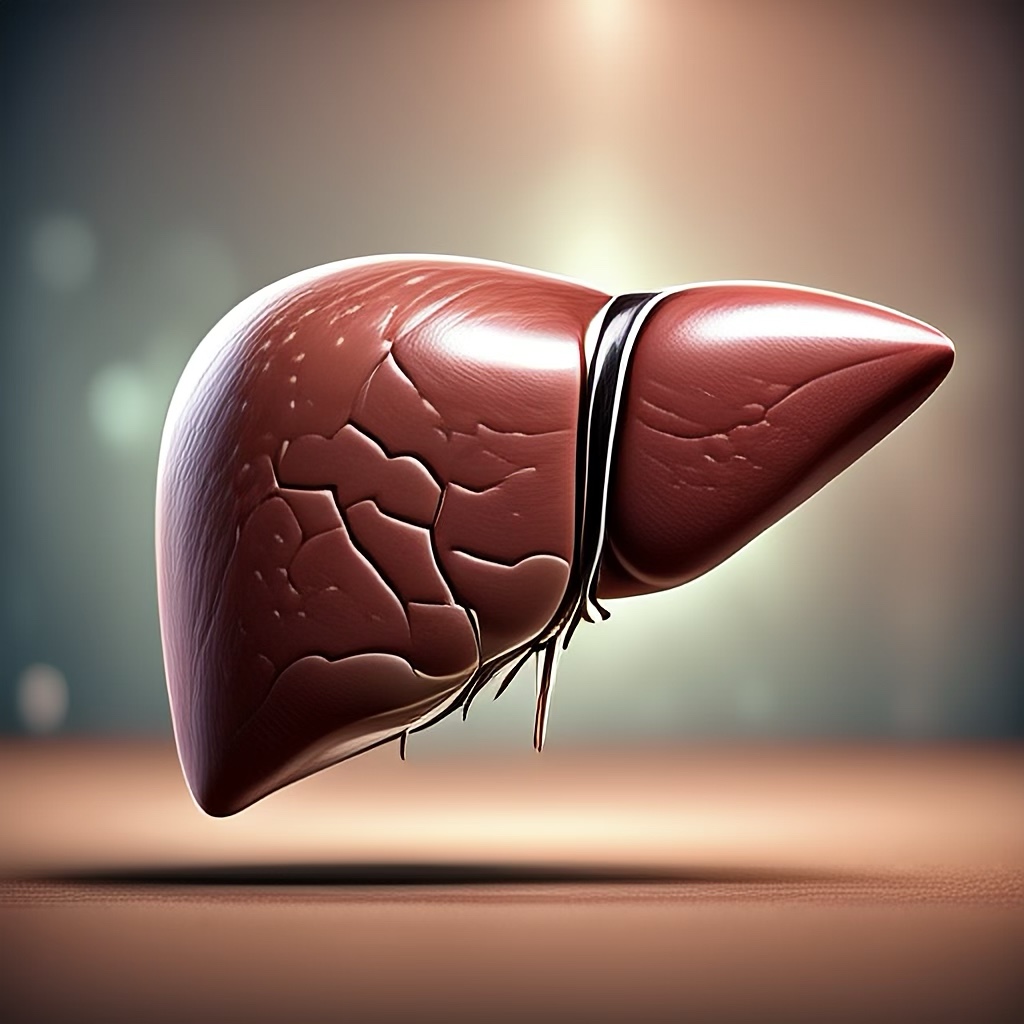
You’ve heard it everywhere: your liver is your body’s main detox center. But what does that really mean? And is the popular advice for “cleansing” it actually doing more harm than good?
The truth is, the liver is far more than a simple filter. It’s the ultimate security checkpoint for your entire body. Every nutrient from your gut must pass through this gateway, where enzymatic “security guards” scan everything, neutralizing troublemakers before they reach your bloodstream.
So, how do you truly support this vital organ? Let’s debunk the biggest myths.
🍎 Myth #1: Fruit Cleanses and Smoothies are Good for Your Liver
This is perhaps the most dangerous misconception. While the liver has detoxification enzymes, a fruit-based “cleanse” forces it to work overtime.
The Reality: Fructose, the primary sugar in fruit, is a toxin that the liver must detoxify. This process produces triglycerides (fat) and uric acid (the culprit behind gout and kidney stones).
When you bombard your liver with fructose from smoothies and juices, you’re not cleansing it—you’re overworking it with the very substance it has to neutralize.
💊 Myth #2: Common Supplements are the Main Culprits for Liver Damage
You may have seen warnings that supplements like green tea extract or turmeric can harm the liver. While possible in extreme excess, this is far less common than the media implies.
The Reality: The real, weekly culprit seen in clinical practice is liver damage from high-fructose diets and excessive fruit smoothies. For most, moderate consumption of green tea or turmeric is a far safer bet than a daily smoothie habit.
🍷 Myth #3: All Alcohol is Equally Damaging
It’s not just if you drink, but how you drink.
The Reality: The primary danger of binge drinking is gut damage. A large amount of alcohol damages the gut lining, causing “leaky gut.” This allows bacteria to escape and travel to the liver, where a battle between your immune cells and the bacteria causes inflammation and scarring.
· A glass of red wine with meals? Studies show it can even improve gut microbiome diversity.
· A weekend of binge drinking? This is profoundly damaging due to the gut-liver axis.
💊 Myth #4: Tylenol (Acetaminophen) is Perfectly Safe Because It’s Used in Hospitals
This is a dangerous assumption. In high doses, acetaminophen is very damaging to the liver.
The Reality:
· Excessive use, even with good intentions, can be toxic.
· The antidote for Tylenol poisoning is N-acetylcysteine (NAC), which is now available as a supplement.
· If you are a regular Tylenol user, consider discussing NAC (e.g., 500mg) with your doctor to help protect your liver.
What Actually Supports Your Liver?
Now for the good news. Here are proven ways to support your liver’s natural function.
- Focus on Gut Health
The most powerful way to protect your liver is to prevent harmful bacterial particles (LPS) from crossing the gut lining into the bloodstream and traveling to the liver.
· Useful Oils: Fish oil, perilla oil, and flaxseed oil help strengthen the gut lining.
· Polyphenol-Rich Foods: Artichokes and dandelion greens improve the gut microbiome, which in turn supports the liver.
- Leverage Helpful Supplements
· Milk Thistle: A classic liver-support polyphenol.
· d-Limonene: A compound found in orange peels that supports detoxification enzymes.
- Practice Time-Restricted Eating
This is one of the most potent ways to repair your liver and gut.
· Limiting your eating window to 6-8 hours a day gives your gut and liver the essential “downtime” they need to repair and regenerate, much like sleep does for your brain.
🚫 A Final Warning: Colloidal Silver
While topical use on a cut is fine, do not drink colloidal silver. It is a potent antibacterial that also kills healthy cells. It can prevent normal tissue growth and, in extreme cases, lead to a permanent blue discoloration of the skin (argyria).
The Takeaway
Forget drastic “detox” diets. True liver health comes from a sustainable strategy: protect your gut, limit fructose and binge drinking, use common painkillers wisely, and give your digestive system a break each day with intermittent fasting.
Leave a Reply
You must be logged in to post a comment.