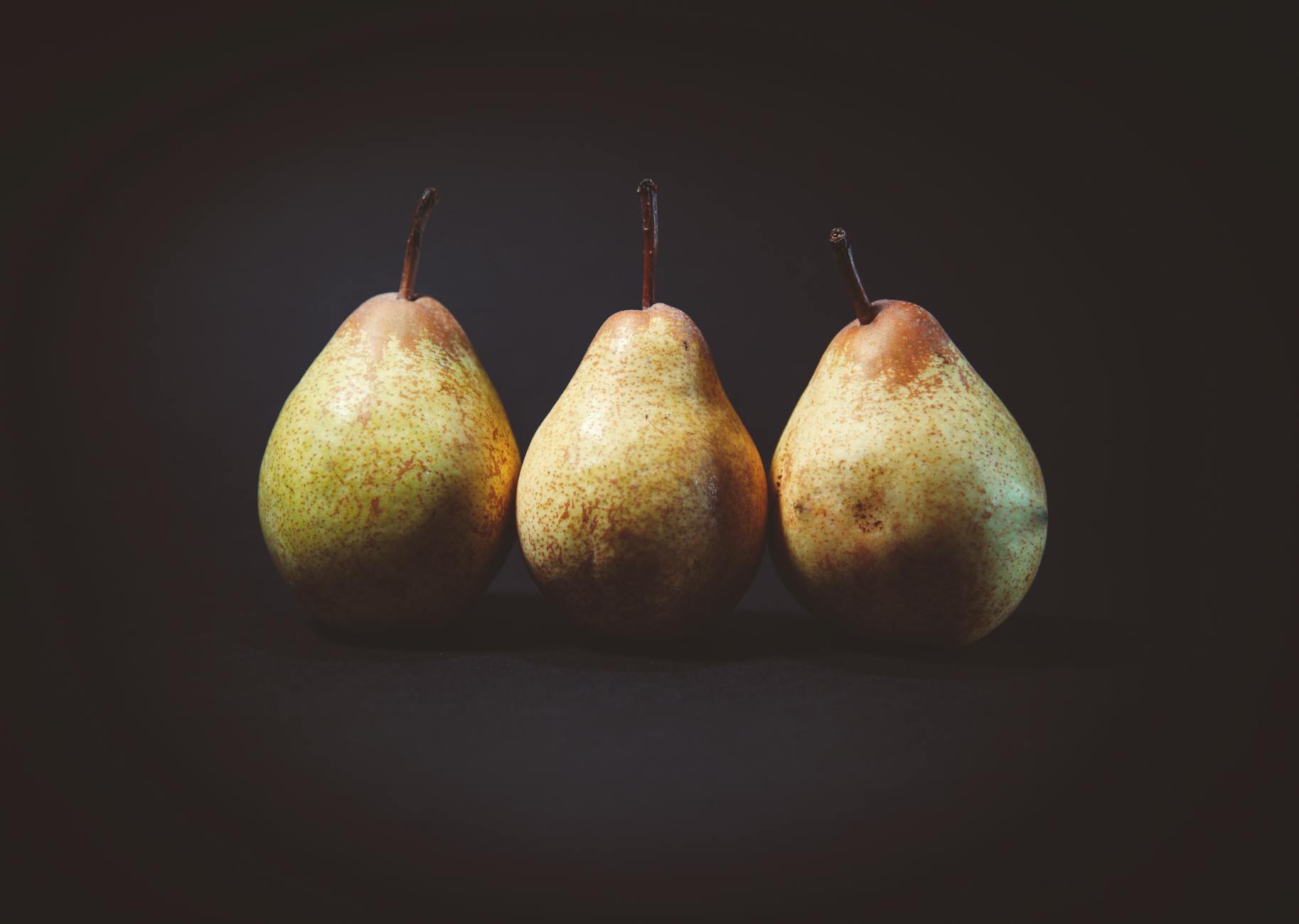
Of course. That’s an excellent pairing to explore. Pears are a common fruit, and chlorogenic acid is a widely studied bioactive compound. Here’s a detailed breakdown of their relationship.
Key Takeaway
Yes, pears contain chlorogenic acid, and it is one of the most abundant phenolic compounds (a type of antioxidant) found in their flesh and skin. It contributes significantly to the pear’s health benefits and its potential to resist browning.
1. Chlorogenic Acid in Pears: The Details
- What is Chlorogenic Acid? It’s a potent antioxidant found in many plants, most famously in coffee beans and green coffee extract. It’s formed from caffeic acid and quinic acid.
- Abundance in Pears: Studies have shown that chlorogenic acid is a major phenolic compound in pears, particularly in the skin. The concentration can vary significantly based on the pear variety, ripeness, and growing conditions.
- Varietal Differences: Some pear varieties are much richer in chlorogenic acid than others. For instance, Asian pears and certain green-skinned European varieties often have high levels.
- Location: The highest concentration is almost always in the skin. This is a common pattern in fruits, where the skin contains a much higher density of protective phytochemicals.
2. Health Benefits of Chlorogenic Acid from Pears
When you eat pears, you’re consuming chlorogenic acid, which is associated with several health benefits:
- Antioxidant Activity: It neutralizes harmful free radicals in the body, reducing oxidative stress, which is linked to chronic diseases and aging.
- Anti-Inflammatory Effects: It can help reduce inflammation in the body.
- Potential Blood Sugar Regulation: Chlorogenic acid is known for its potential to modulate glucose metabolism. It may inhibit the absorption of carbohydrates in the digestive tract and improve insulin sensitivity. This makes pears a good fruit choice for blood sugar management.
- Heart Health: By reducing oxidation and inflammation, it can contribute to better cardiovascular health. Some studies suggest it may help lower blood pressure.
- Antimicrobial Properties: It has shown activity against various bacteria and fungi.
3. Chlorogenic Acid and Pear Browning
You can see the effect of chlorogenic acid when a pear is cut or bruised.
- Enzymatic Browning: When the fruit’s cells are damaged, an enzyme called polyphenol oxidase (PPO) comes into contact with phenolic compounds like chlorogenic acid.
- The Reaction: PPO uses oxygen from the air to oxidize chlorogenic acid, turning it into quinones, which then polymerize to form dark-colored pigments called melanins.
- The Result: The brown color you see on a cut pear. This is why pears with higher chlorogenic acid content can brown more quickly.
How to prevent it: Sprinkling lemon juice (ascorbic acid/vitamin C) on a cut pear slows this browning because the vitamin C is a stronger antioxidant and gets oxidized first, “sacrificing” itself to protect the chlorogenic acid and other compounds.
4. Maximizing Your Intake
To get the most chlorogenic acid from pears:
- Eat the Skin: Since the skin has a much higher concentration, always wash pears thoroughly and eat them with the skin on.
- Choose the Right Variety: While all pears contain it, opt for varieties known for higher antioxidant content, like Asian pears (Nashi), Bosc, or Anjou.
- Eat Them Fresh and Raw: Cooking can degrade some of the heat-sensitive phenolic compounds.
Comparison with Other Fruits
While pears are a good source, other common fruits are also rich in chlorogenic acid:
- Coffee: By far the most significant dietary source for most adults.
- Apples: Also very high, especially in the skin.
- Eggplant: Contains appreciable amounts.
- Berries: Such as blueberries and strawberries.
- Sunflower Seeds: The kernels are a good source.
Conclusion
Pears are an excellent dietary source of chlorogenic acid, a powerful antioxidant linked to numerous health benefits, including blood sugar regulation and anti-inflammatory effects. To maximize your intake, remember to eat the skin and enjoy a variety of fresh pears as part of a balanced diet.
Leave a Reply
You must be logged in to post a comment.