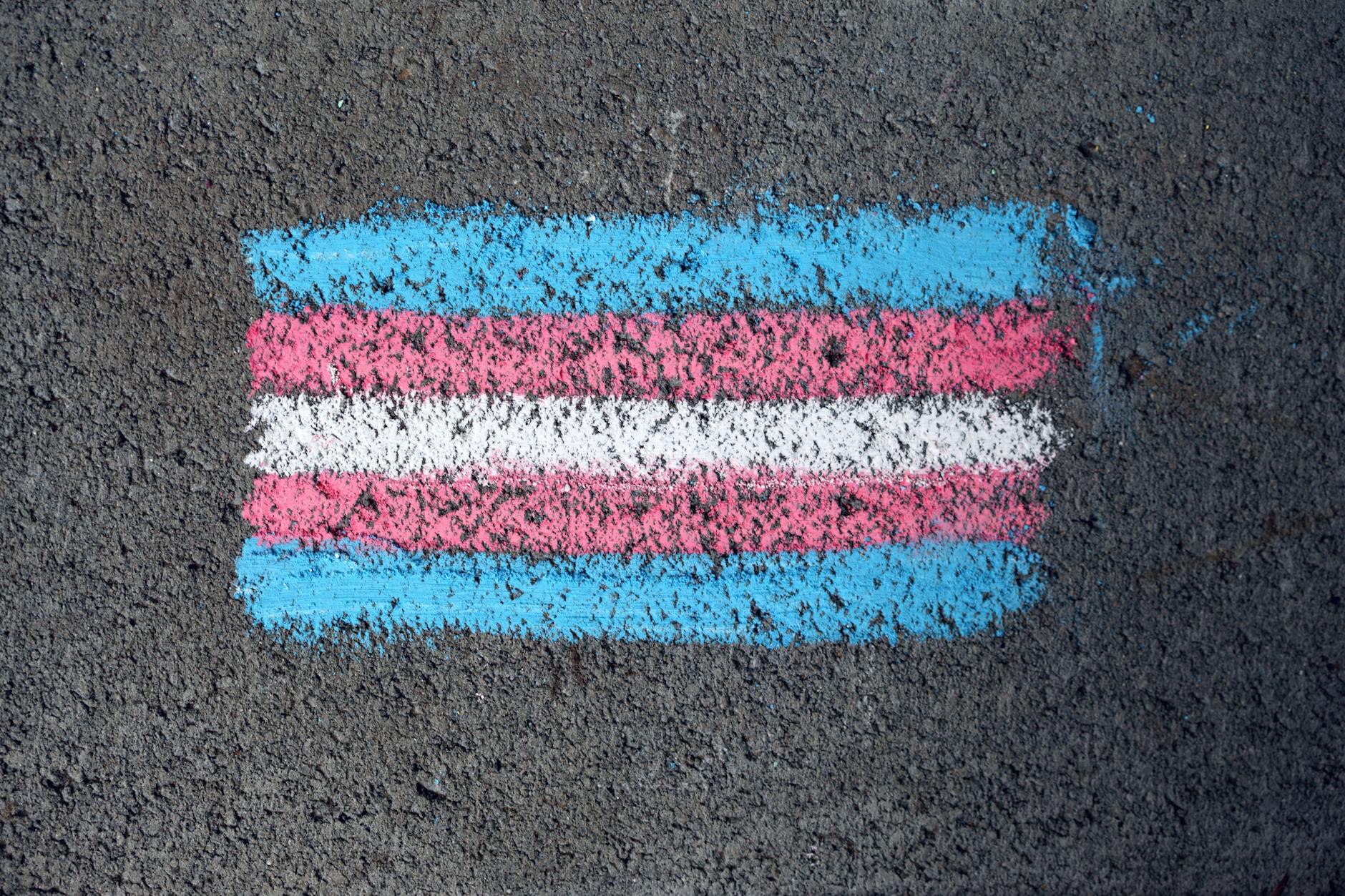
In traditional gender-separated societies, the acceptance and integration of transgender individuals vary significantly across cultures. These societies often have strict gender roles and rituals, which can impact how trans individuals navigate their identities within tribal structures. Let’s break this down:
🏺 1. Understanding Gender-Separated Societies
Many traditional societies, including some Indigenous communities, maintain gender-based divisions for rituals, social roles, and spaces. For example:
- In Dawen (Yami) culture on Orchid Island, Taiwan, certain ceremonies like the flying fish season or boat-launching rituals are reserved for men, while women are excluded due to cultural taboos .
- Among the Amis people, gender-specific age-grade systems govern participation in ceremonies, with women often barred from certain rites .
- In Bunun and Truku societies, hunting rituals and weapon handling are typically male-dominated, with taboos prohibiting women from touching hunting tools . These divisions are deeply rooted in cultural beliefs, often tied to spiritual practices, ancestral traditions, and social organization.
⚧️ 2. Transgender Identity in Traditional Contexts
Transgender individuals may not fit neatly into binary gender frameworks. In some cultures, however, there are historical recognitions of non-binary or third-gender roles:
- For instance, in South Asian cultures, some communities acknowledge identities like hijra or khwaja sira, who may have designated social or spiritual roles .
- In Indigenous North American cultures, some groups historically recognized Two-Spirit people, who embodied both masculine and feminine qualities and often held special roles in ceremonies. However, the extent to which these identities are accepted varies. In some cases, colonial influences have eroded traditional acceptances, leading to increased stigmatization .
🔄 3. Challenges for Trans Individuals in Gender-Separated Tribes
Trans people often face significant challenges in gender-separated societies:
- Exclusion from Rituals: Trans individuals may be denied participation in gender-specific rituals. For example, a trans woman might be barred from women’s ceremonies or a trans man from men’s hunting activities .
- Social Stigma: Traditional societies may view transgender identity as conflicting with cultural norms, leading to marginalization.
- Legal and Cultural Barriers: In some cases, laws or community norms may not recognize gender identity, forcing trans individuals to live according to their sex assigned at birth .
🌍 4. Examples of Adaptation and Change
Some societies are adapting:
- In Orchid Island, tourism and economic pressures have led to relaxed taboos, allowing women (including trans women) to participate in traditionally male activities like boarding ceremonial boats .
- Among the Paiwan people,鼻笛 (nose flute) playing was traditionally reserved for male nobles but is now taught to women to prevent cultural loss .
- In Pakistan, despite strict gender norms, the film Joyland highlights the struggles of trans individuals, reflecting slow societal shifts . These changes are often driven by external pressures (e.g., tourism, globalization) or internal advocacy.
💡 5. Navigating Identity and Tradition
Trans individuals in these societies may:
- Seek Compromises: Some may participate in rituals aligned with their gender identity if communities become more inclusive.
- Create New Roles: In cases where traditional roles are inaccessible, trans people might carve out new spaces within their communities.
- Face Difficult Choices: Some may leave their communities to avoid conflict, while others may advocate for change from within.
📊 Comparison of Traditional Societies and Trans Inclusion
| Society/Culture | Traditional Gender Roles | Trans Inclusion Examples | Key Challenges |
|---|---|---|---|
| Dawen (Yami) | Men: boat ceremonies; Women: excluded | Tourism allows women on boats | Deep-rooted taboos |
| Paiwan | Male-only鼻笛 playing | Women now learn to preserve culture | Breaking noble lineages |
| Pakistani Society | Strict binary roles | Khwaja sira recognized but marginalized | Legal and social discrimination |
| Amis | Age-grade systems exclude women | Women building separate cultural systems | Resistance from elders |
❗ 6. Conclusion
Trans individuals in gender-separated societies often face complex challenges due to rigid cultural norms. While some societies are adapting, many trans people still struggle for acceptance. The ability to “choose their tribe” depends on:
- The flexibility of traditional gender roles.
- External influences like tourism or globalization.
- Internal advocacy and cultural evolution. For true inclusion, both respect for cultural traditions and recognition of gender diversity are essential. As societies evolve, there is hope for greater integration of trans individuals into traditional structures without erasing cultural heritage.
Leave a Reply
You must be logged in to post a comment.