Tired of the endless parade of superfoods and miracle supplements? What if we told you that one of the most powerful molecules for longevity is already hiding in your kitchen, and your body even makes it itself?
It’s called spermidine, and it’s not what you think. Despite its name, it has nothing to do with that. Instead, it’s a fascinating compound that’s revolutionizing how scientists view aging and cellular health.
Let’s dive into what spermidine is, why it’s so crucial for your health, and how you can get more of it starting today.
What Exactly is Spermidine?
Spermidine is a naturally occurring polyamine. Think of polyamines as tiny, vital managers inside every one of your cells, essential for growth, cell division, and, most importantly, survival.
But here’s the kicker: as we age, our natural levels of spermidine decline. This drop coincides with the onset of many age-related health issues. The exciting part? Research suggests that replenishing spermidine levels can help counteract this decline.
The Superpower of Spermidine: Autophagy
The star of the spermidine show is its ability to powerfully activate autophagy (aw-TOFF-uh-gee).
- Auto = Self
- Phagy = Eating
Put simply, autophagy is your body’s built-in cellular recycling program. It’s the process where cells identify broken components, old proteins, and other cellular “junk,” break them down, and use the parts to create new, healthy components.
Imagine a dedicated team of cleaners sweeping through your cells every night, taking out the trash and repairing what’s broken. That’s autophagy. And spermidine is the manager that tells that team, “It’s time to get to work!”
When autophagy is efficient, your cells run smoothly. When it slows down, metabolic debris accumulates, leading to aging and disease.
The Life-Changing Benefits of a “Clean” Cell
By boosting autophagy, spermidine offers a stunning array of science-backed benefits:
- Promotes Longevity: This is the big one. Studies from yeast to mice to human populations have consistently shown that higher spermidine intake is linked to a longer lifespan. It’s one of the most promising anti-aging nutrients studied today.
- Supercharges Heart Health: Research has found that spermidine supports healthy blood pressure, improves arterial flexibility, and protects the heart muscle itself. One large study even tied high dietary spermidine to a significantly lower risk of heart failure.
- Protects Your Brain: Autophagy is critical for clearing out the toxic protein clumps associated with Alzheimer’s and Parkinson’s. By activating this cleanup crew, spermidine acts as a powerful neuroprotector, helping to safeguard your memory and cognitive function.
- Encourages Healthy Hair: Ever noticed how some wellness trends actually work? Spermidine is gaining fame in the hair world for its potential to prolong the growth phase of the hair follicle, leading to thicker, stronger hair.
How to Get More Spermidine in Your Life
The best way to boost your levels is through your diet. Here are the top dietary champions:
- The King: Wheat Germ. This is the undisputed winner. Just a tablespoon or two sprinkled on oatmeal, yogurt, or a smoothie can give you a massive spermidine boost.
- Aged Cheeses: The aging process increases spermidine content. So, enjoy your cheddar, gouda, blue cheese, and parmesan guilt-free (in moderation, of course!).
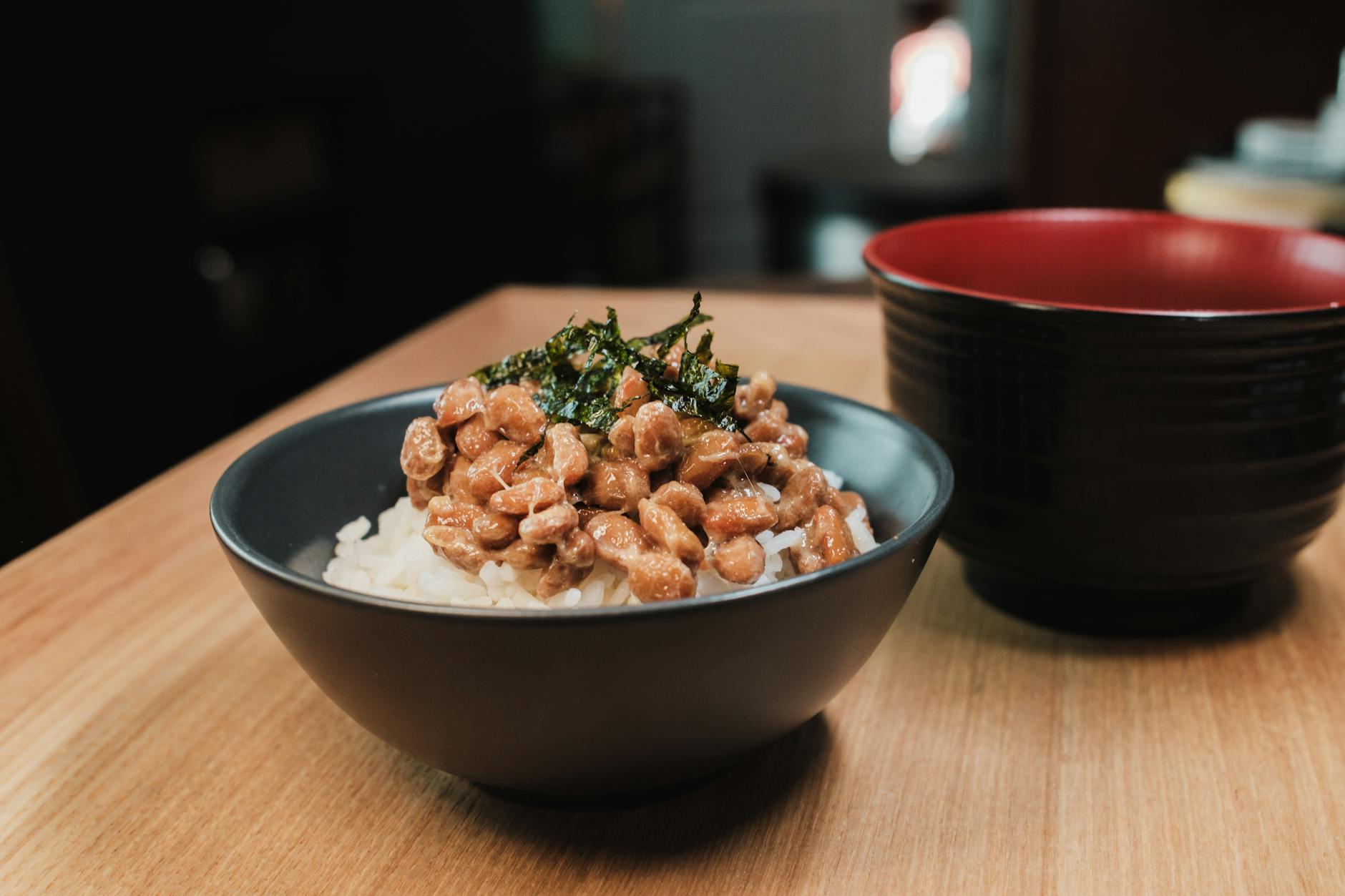
- Fermented Soy: Natto is the ultimate source, but it’s a strong-tired acquired taste for many. Tofu, tempeh, and miso are also excellent options.
- Everyday Superfoods: Load up on mushrooms (shiitake, button), legumes (peas, chickpeas, lentils), broccoli, cauliflower, and whole grains (brown rice, oats).
Pro Tip: Processing matters. Whole wheat bread has much more spermidine than white bread. Brown rice has it; white rice has almost none. Choose whole foods whenever possible.
The Bottom Line
Spermidine isn’t a magic bullet, but it is a profoundly important nutrient that supports the most fundamental process of health: cellular cleanup and renewal.
By incorporating more spermidine-rich foods into a balanced diet, you’re not just eating for today—you’re investing in the long-term health and vitality of every cell in your body.
So, go ahead. Grate some parmesan on your pasta, add wheat germ to your smoothie, and savor a portion of steamed broccoli. Your cells will thank you for it.
Disclaimer: This article is for informational purposes only and does not constitute medical advice. Always consult with a healthcare professional before making significant changes to your diet or taking new supplements.
Of course. Spermidine has garnered significant scientific interest due to its wide range of potential health benefits, primarily centered around its role in promoting autophagy.
Benefits of Spermadine
Here’s a detailed breakdown of the key benefits of spermidine:
1. Promotes Autophagy (Cellular Renewal)
This is the most well-researched and fundamental benefit of spermidine.
- What is autophagy? It’s the body’s innate cellular “housekeeping” process. Cells identify, break down, and recycle damaged components, misfolded proteins, and dysfunctional organelles.
- How spermidine helps: Spermidine is a potent inducer of autophagy. It helps initiate this crucial cleaning process.
- Why it matters: Efficient autophagy is essential for cellular health, preventing the accumulation of cellular “debris” that is linked to aging, neurodegeneration, and cancer.
2. Anti-Aging and Longevity
This benefit is a direct consequence of enhanced autophagy.
- Cellular Rejuvenation: By clearing out damaged parts, autophagy allows cells to function more optimally for longer, effectively slowing aspects of the aging process.
- Evidence: Numerous studies in yeast, flies, worms, and mice have shown that spermidine supplementation extends lifespan. In humans, observational studies have found a correlation between higher dietary spermidine intake and reduced mortality.
3. Supports Heart Health
Spermidine has a particularly strong link to cardiovascular benefits.
- Reduces Blood Pressure: Studies indicate that spermidine can improve endothelial function (the health of blood vessel linings) and reduce hypertension (high blood pressure).
- Protects the Heart: It has been shown to protect against cardiac stress and age-related decline in heart function. Research has linked higher spermidine intake to a lower risk of heart disease and heart failure.
4. Enhances Brain Health and Cognitive Function
By promoting autophagy in brain cells, spermidine helps protect against neurodegenerative diseases.
- Clears Toxic Proteins: Autophagy helps clear out toxic protein aggregates like beta-amyloid plaques and tau tangles, which are hallmarks of Alzheimer’s disease.
- Neuroprotection: It supports the health of neurons and may help maintain memory and cognitive function with age. Studies suggest it could be protective against Alzheimer’s, Parkinson’s, and Huntington’s diseases.
5. May Help Prevent Cancer
While research is ongoing, the link between autophagy and cancer prevention is promising.
- Cellular Quality Control: By ensuring efficient cleanup and recycling, autophagy helps maintain healthy cell function and prevents the initial damage that can lead to cancer development.
- Inducing Apoptosis: In some contexts, it may help trigger programmed cell death (apoptosis) in precancerous or damaged cells.
6. Supports Metabolic Health
- Liver Health: Spermidine-induced autophagy can help protect the liver from damage caused by toxins or a high-fat diet (e.g., non-alcoholic fatty liver disease).
- May Aid Weight Management: While not a direct weight-loss supplement, improved cellular metabolism and function can contribute to better overall metabolic health.
7. Hair Health
Anecdotal evidence and some preliminary studies suggest spermidine may influence the hair growth cycle.
- Mechanism: It is thought to prolong the anagen (growth) phase of the hair follicle, potentially leading to thicker, healthier hair and slowing hair loss. This is why it’s becoming a common ingredient in hair growth supplements.
Important Note on the Research
It’s crucial to understand the context of these benefits:
- Strong Mechanistic Evidence: The role of spermidine in inducing autophagy is well-established in cellular and animal models.
- Promising Human Data: Observational studies in humans show strong correlations between dietary spermidine intake and health benefits.
- Ongoing Clinical Trials: More robust, large-scale human clinical trials are underway to conclusively determine the efficacy of spermidine supplementation for specific conditions.
In summary, spermidine benefits the body primarily by activating its internal cleaning process (autophagy), leading to improved function from the cellular level up. This foundational action translates into potential advantages for longevity, heart and brain health, and disease prevention.
Spermadine / Polyamine Sources
Spermidine is a naturally occurring polyamine found in a wide variety of foods. It’s important for cellular health, autophagy (the body’s cellular recycling process), and longevity.
Here is a comprehensive list of spermidine sources, categorized for easy reference.
Top Food Sources of Spermidine (Highest Concentrations)
These foods are consistently shown to have the highest concentrations of spermidine.
- Wheat Germ: This is by far the richest known dietary source of spermidine. It’s the nutrient-packed core of the wheat kernel.
- Aged Cheese: The aging process allows spermidine levels to increase. Examples include:
- Cheddar
- Blue Cheese
- Gouda
- Parmesan
- Swiss Emmental
- Soy Products: Fermented soy products are particularly high.
- Natto (fermented soybeans) – an exceptionally rich source.
- Soybeans (mature, cooked)
- Tofu
- Tempeh
- Mushrooms: Various types are excellent sources.
- Shiitake mushrooms
- Button mushrooms (white mushrooms)
- Broccoli (also a great source)
- Legumes:
- Peas (especially green peas)
- Chickpeas (Garbanzo beans)
- Lentils
- Whole Grains: Besides wheat germ, other whole grains contain spermidine.
- Brown Rice
- Oats
- Whole Wheat Bread
- Nuts and Seeds:
- Amaranth
- Pumpkin Seeds
- Flax Seeds
Other Good Dietary Sources
These foods contain lower but still meaningful amounts of spermidine.
- Vegetables: Cauliflower, Bell Peppers, Asparagus, Kale, Green Lettuce
- Fruits: Mango, Pears, Apples (with skin)
- Animal Products: Chicken liver, Shellfish (e.g., shrimp)
- Miscellaneous: Peanut Butter, Popcorn
Important Considerations and Tips
- Ripeness and Aging: Spermidine content can change with ripeness (in fruits) and aging (in cheeses). For example, a ripe mango has more spermidine than an unripe one.
- Food Processing: Processing can significantly reduce spermidine levels. For instance, white rice has almost no spermidine compared to brown rice, and white bread has much less than whole wheat bread. Always opt for whole grains when possible.
- Combining Foods: The best strategy is to eat a varied diet rich in the foods listed above. A meal containing brown rice, broccoli, and tofu, for example, would be a great spermidine booster.
- Supplements: Spermidine supplements, often derived from wheat germ extract, are available. However, it’s generally recommended to prioritize dietary sources first. Always consult with a healthcare professional before starting any new supplement.
Summary Table of High-Spermidine Foods
| Food Source | Spermidine Content (Approx. μg/g) | Notes |
|---|---|---|
| Wheat Germ | 243 | The absolute richest source. Easy to add to yogurt, smoothies, oatmeal. |
| Natto | 100 – 200 | Fermented Japanese dish, very high but an acquired taste. |
| Aged Cheddar | ~ 90 | Aging increases spermidine content. |
| Soybeans | ~ 90 | Mature, cooked soybeans. |
| Mushrooms | ~ 90 | Shiitake and button mushrooms are great choices. |
| Peas | ~ 50 | Green peas are a fantastic and easy-to-find source. |
| Broccoli | ~ 30 | A highly nutritious vegetable packed with spermidine. |
| Cauliflower | ~ 30 | Another versatile cruciferous vegetable. |
| Brown Rice | ~ 20 | Significantly more than white rice. |
μg/g = micrograms per gram
In conclusion, to increase your spermidine intake naturally, focus on incorporating wheat germ, aged cheeses, fermented soy, mushrooms, peas, broccoli, and whole grains into your regular diet.
Leave a Reply
You must be logged in to post a comment.