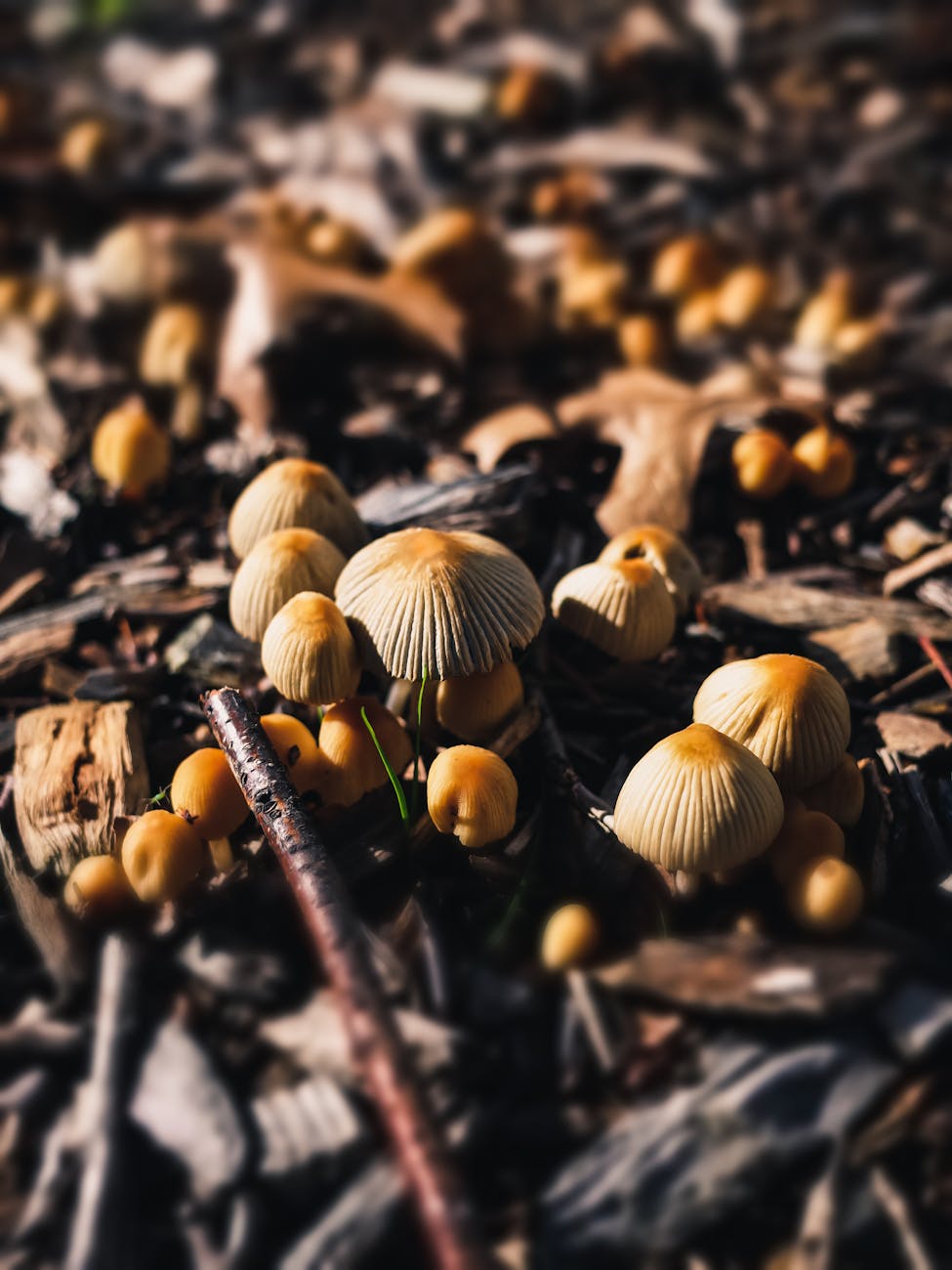
- Basic introduction: Overview of biomeiler technology and its historical background.
- How it works: Explanation of aerobic decomposition process and system components.
- Key components: Description of biomass requirements and heat exchange mechanisms.
- Types: Comparison of traditional compost heap, combined biogas systems, and indoor silos.
- Performance: Analysis of heat output, compost quality, and economic factors.
- Applications: Examples of residential, agricultural, and educational implementations.
- Challenges: Discussion of technical and knowledge barriers.
- Future prospects: Potential technological innovations and scalability.
Then, I will now begin writing the main body of the document.
Biomeiler Technology: Harnessing Compost Heat for Sustainable Energy Solutions
1 Basic Introduction and Historical Background
A biomeiler (also known as a compost heater) is an innovative bioenergy system that harnesses the thermal energy generated during the aerobic decomposition of organic biomass to provide space heating, hot water, and in some configurations, even biogas production. This technology represents a remarkable convergence of natural biological processes and practical engineering, creating a closed-loop system that converts waste materials into valuable energy and soil amendments. The concept is particularly attractive in today’s context of climate change mitigation and the global pursuit of carbon-neutral energy sources, as it utilizes renewable biomass resources that would otherwise decompose without energy capture .
The development of modern biomeiler technology is largely attributed to Jean Pain, a French agronomist and ecological pioneer who dedicated his life to developing sustainable living methods. During the 1970s, Pain experimented extensively with composting systems on his property in Provence, France. His innovative approach involved creating massive compost piles (approximately 50 tonnes) using wood chips from forest brush and embedding irrigation and heat exchange systems within them. Pain’s system was remarkably comprehensive – it not only produced hot water for domestic use but also generated methane gas for cooking and electricity production . His work demonstrated that with proper management, a single compost pile could provide multiple energy streams for up to 18 months while producing high-quality compost as a valuable byproduct.
The term “biomeiler” itself derives from German, roughly translating to “bio-kiln” or “bio-reactor,” reflecting the technology’s popularity in German-speaking countries where it has been implemented in various educational and demonstration projects . While Pain’s original designs combined both aerobic composting for heat and anaerobic digestion for biogas, modern implementations often focus specifically on the heat generation aspect, particularly in residential and agricultural settings where heating needs are primary .
2 How a Biomeiler Works: The Science Behind Compost Heat
2.1 The Aerobic Decomposition Process
At its core, a biomeiler operates on the fundamental biological process of aerobic decomposition – the same process that occurs in any compost pile but optimized specifically for heat capture. When microorganisms (bacteria, fungi, and actinomycetes) break down organic matter in the presence of oxygen, they release thermal energy as a metabolic byproduct. This exothermic reaction can raise temperatures significantly – well beyond what might be observed in conventional composting .
The composting process within a biomeiler typically progresses through four distinct thermal phases:
- Initial Stage (Mesophilic): Psychrophilic and mesophilic bacteria begin breaking down readily available compounds, gradually raising temperatures from ambient to approximately 40°C (104°F).
- Growth Stage (Thermophilic): As temperatures rise, heat-tolerant thermophilic bacteria take over, rapidly decomposing more complex compounds and raising temperatures to 45-50°C (113-122°F).
- Maximum Temperature Stage: Specialized thermophilic bacteria dominate, pushing temperatures to their peak of 65-70°C (149-158°F). This phase represents the most intensive decomposition period and highest heat output.
- Cool-Down Stage (Maturation): As readily decomposable material is exhausted, temperatures gradually decline to around 40°C (104°F), and mesophilic organisms return to complete the humification process .
Throughout these stages, maintaining optimal conditions is crucial. The biomass must maintain a moisture content of 60-70% – sufficient to support microbial life without creating anaerobic conditions. Oxygen availability is equally critical; without adequate aeration, the process shifts to anaerobic decomposition, which produces less heat and can generate methane (unless specifically captured) and unpleasant odors .
2.2 Heat Transfer Mechanisms
The biomeiler system captures this thermal energy through heat exchangers embedded within the composting mass. Typically, these consist of several hundred feet of flexible piping (often PEX or similar durable plastic) arranged in a spiral pattern throughout the biomass. Water or another heat transfer fluid is circulated through these pipes, absorbing thermal energy from the surrounding composting material .
This heated fluid is then circulated to where the heat is needed – either directly to radiant heating systems, through heat exchangers for domestic hot water, or to storage systems for later use. The cooled fluid returns to the compost pile to be reheated, creating a continuous closed-loop system . More advanced systems incorporate active aeration – pumping air through the pile to optimize microbial activity and heat production. Recent innovations, such as those implemented at Utrecht University, also include insulated lids to further enhance heat capture efficiency .
3 Key Components and System Requirements
3.1 Biomass Requirements and Preparation
The foundation of any successful biomeiler is the biomass feedstock – both its quantity and composition significantly impact performance. According to research and practical experience, a minimum volume of 8,000 liters (approximately 2,100 gallons) of biomass is necessary to maintain sufficient thermal mass through winter months in temperate climates . This volume ensures that the external surface area relative to the total mass is small enough to minimize heat loss while providing adequate material for sustained microbial activity.
The ideal biomass composition follows the standard composting principle of balancing carbon-rich “brown” materials (75%) with nitrogen-rich “green” materials (25%) . In practice, most biomeiler implementations use:
- Wood chips as the primary carbon source (preferably from both softwood and hardwood species)
- Agricultural residues (straw, crop wastes)
- Manure (cattle, poultry, or swine) as a nitrogen source and microbial inoculant
- Other organic wastes (food scraps, garden trimmings)
The size of wood chips is particularly important; experienced practitioners like Bob Anders recommend a “#2 chip” specification (approximately 3/4″ long and 1/8″ thick) for optimal decomposition rates and heat production . Larger chips decompose too slowly, while finer materials may compact and limit oxygen diffusion. Some operators add layers of geotextile fabric between biomass layers to facilitate future cleanup and pipe extraction .
3.2 System Components and Configuration
A typical biomeiler requires several key components beyond the biomass itself:
- Heat exchange piping: Typically 200+ meters (656+ feet) of 1-inch diameter flexible piping arranged in spiral patterns throughout the pile .
- Circulation system: A pump to move heat transfer fluid through the pipes, with controls to regulate flow based on temperature differentials.
- Heat extraction and distribution: This might include radiators, heat exchangers for domestic hot water, or underfloor heating systems.
- Aeration system: Either passive (through strategic pile construction with breathable layers) or active (with fans or pumps to move air through perforated pipes embedded in the pile).
- Moisture management: Irrigation systems for initial wetting and occasional replenishment, plus drainage for excess liquid .
- Insulation and covering: While not always essential, many systems incorporate insulating layers and waterproof covers to regulate temperature and moisture .
Table: Typical Biomass Composition for Optimal Biomeiler Performance
| Material Type | Examples | Percentage | Function |
|---|---|---|---|
| Carbon-rich | Wood chips, twigs, sawdust, straw | 75% | Energy source for microbes, bulking agent for aeration |
| Nitrogen-rich | Manure, grass clippings, food waste, coffee grounds | 25% | Protein source for microbial growth and reproduction |
| Inoculants | Finished compost, soil | Small amount | Introduces diverse microbial communities |
| Moisture | Water | 60-70% of total mass | Medium for microbial activity and nutrient transport |
4 Types of Biomeiler Systems
4.1 Traditional Compost Heap with Water Circulation
The simplest form of biomeiler is essentially a large compost heap constructed in an outdoor location with embedded water pipes for heat extraction. This configuration requires significant space – typically a pile measuring at least 3 meters (10 feet) high and 6 meters (20 feet) in diameter – containing approximately 50 tonnes of biomass .
This traditional approach has several advantages: relatively low construction costs, minimal specialized equipment, and straightforward operation. The primary challenges involve space requirements and the labor-intensive nature of building and dismantling the system. Additionally, outdoor piles are subject to environmental influences – heavy rains can cool the pile and leach nutrients, while extreme cold can increase heat loss. Some practitioners address these issues by building temporary shelters or roofs over their piles .
4.2 Combined Hot Water and Biogas Systems
The original Jean Pain method integrated both heat and biogas production in a single system. This sophisticated approach features an anaerobic digester (typically a sealed tank) embedded within the center of the aerobic compost pile. The compost heat helps maintain optimal temperatures for the anaerobic digestion process, which produces methane-rich biogas .
In Pain’s configuration, the central digester was filled with compost steeped in water for two months before operation. The resulting gas was collected in truck tire inner tubes and used for cooking, electricity generation, and even vehicle fuel. Pain claimed that 10 kilograms (22 pounds) of brushwood could produce the gas equivalent of one liter of petroleum . However, some skepticism exists regarding the methane production rates Pain reported, and reproducing these results has proven challenging . Consequently, this combined approach is less common than heat-only systems, though it remains an intriguing potential application.
4.3 Indoor Compost Heater Silo
For situations where space is limited or where direct heating without fluid transfer is desired, indoor compost heater silos offer an alternative approach. These systems consist of insulated containers (typically 2,000 liters or more) located inside or adjacent to buildings, radiating heat directly to their surroundings .
These silos offer several advantages: they eliminate the need for heat exchangers and circulation systems, can be more easily integrated into existing structures, and provide very direct heat transfer. However, they require careful management to prevent indoor air quality issues from off-gassing or excess humidity. Proper ventilation is essential, with outlet air directed outside the living space . These systems are typically smaller than outdoor biomeilers and may have shorter active periods (single season rather than 18-24 months).
Table: Comparison of Biomeiler System Types
| System Type | Best For | Advantages | Challenges |
|---|---|---|---|
| Traditional Outdoor Heap | Rural properties with ample space, agricultural applications | Lower cost, simpler construction, high volume compost production | Large space requirement, weather exposure, labor intensive |
| Combined Heat & Biogas | Off-grid systems seeking multiple energy outputs | Maximizes energy yield from biomass, produces versatile biogas | Complex to build and manage, unverified methane production claims |
| Indoor Silo | Smaller heating needs, well-insulated homes, greenhouse heating | Direct heating without heat exchangers, space efficient | Potential indoor air quality concerns, smaller scale, shorter duration |
5 Performance Metrics and Economic Considerations
5.1 Energy Output and Efficiency
The thermal energy output of a biomeiler depends on numerous factors including biomass type, volume, moisture content, and management practices. Well-designed systems can produce impressive amounts of energy: according to research, each cubic meter of composting space can generate approximately 2,100 kWh of thermal energy . For perspective, a standard 70-cubic-yard pile (as described by practitioner Bob Anders) could theoretically produce over 100,000 kWh of heat over its lifespan .
The Utrecht University biomeiler project, with its 6-meter diameter and 3-meter height, is expected to generate approximately 100 MWh annually – equivalent to the heating needs of four average households . Efficiency is remarkably high compared to combustion-based systems because the moisture content (which typically reduces the efficiency of wood burners through evaporation losses) does not negatively impact energy capture in a compost-based system .
Temperature outputs are equally impressive: properly managed systems can produce water at 60°C (140°F) at flow rates of 4 liters per minute – sufficient for domestic hot water and space heating needs . The duration of heat production varies with system size and composition, typically ranging from 12-24 months before the material fully decomposes and heat production declines .
5.2 Byproduct Value and Economic Viability
Beyond energy production, biomeilers produce significant quantities of high-quality compost as a valuable byproduct. The controlled decomposition process creates nutrient-rich humus that excels at improving soil structure, water retention, and fertility. The Utrecht University project expects their final product to contain twice the organic matter of conventional compost .
Economically, biomeilers offer compelling advantages despite substantial initial labor investment. The primary inputs – waste biomass and water – are typically low or no cost. Bob Anders estimates approximately 250 labor hours are required to establish a system (including chipping and construction) and 100 hours for dismantling and compost distribution . When balanced against avoided fuel costs and the value of produced compost, systems can prove highly economical, particularly in regions with expensive conventional energy sources.
The implementation cost varies significantly based on scale and sophistication. Simple systems can be built for a few thousand dollars (primarily for piping and circulation equipment), while more advanced systems with active aeration and automated controls require greater investment. The payback period ranges from immediate (for very basic systems using salvaged materials) to several years for more sophisticated installations.
6 Practical Applications and Implementation Examples
6.1 Residential and Agricultural Applications
Biomeilers have been successfully implemented across diverse settings, demonstrating their versatility:
- Residential heating: Systems can provide space heating and domestic hot water for single-family homes, particularly well-insulated ones with annual heating requirements below 10,000 kWh .
- Agricultural operations: Farms utilize biomeiler heat for greenhouses, livestock housing, crop drying, and equipment workshops. The produced compost is then used to amend agricultural soils .
- Wood processing operations: One practitioner uses biomeiler heat specifically for drying lumber and firewood – an elegant closed-loop system where wood waste fuels the process that prepares wood products .
- Educational demonstrations: Universities and sustainability centers worldwide have implemented biomeilers as living laboratories for sustainable technology education .
6.2 Case Study: Utrecht University Educational Farm
The Utrecht University biomeiler project exemplifies sophisticated modern implementation. This system, installed at the university’s educational farm “De Tolakker,” features a 6-meter diameter and 3-meter high tank containing 200 cubic meters of organic waste and wood chips .
Two key innovations distinguish this installation: an insulated lid to enhance heat capture and an active aeration system to optimize microbial activity by ensuring precise oxygen delivery. Beyond providing heat for farm operations, the project serves as a research platform where students will monitor effectiveness over two years. The expected output of 100 MWh annually demonstrates the significant potential of well-engineered systems at commercial scale .
6.3 Implementation Considerations
Successful biomeiler implementation requires careful consideration of several factors:
- Regulatory compliance: Permits may be required, particularly for larger installations. The Utrecht project encountered challenges with zoning plans and underground infrastructure that needed resolution before proceeding .
- Site selection: The location must accommodate both construction access and operational requirements (water source, proximity to heat demand, etc.).
- Biomass availability: Sourcing sufficient appropriate biomass is crucial; partnerships with tree services, agricultural operations, or municipal green waste programs can ensure adequate supply.
- Knowledge transfer: As noted by energypedia, widespread deployment is limited primarily by education rather than technical constraints .
7 Challenges and Limitations
7.1 Technical and Operational Challenges
Despite their promise, biomeilers present several significant challenges that limit widespread adoption:
- Space requirements: The large volume needed (8,000+ liters) makes systems impractical for urban or small-lot suburban settings .
- Labor intensity: Building and dismantling systems requires substantial physical effort, though this may be offset by volunteer enthusiasm or educational value .
- Moisture management: Maintaining optimal 60-70% moisture content can be challenging; too little water slows microbial activity, while too much creates anaerobic conditions. Practitioners like Bob Anders report adding thousands of gallons of water during construction and hundreds monthly during operation .
- Temperature control: Unlike combustion systems that can be turned on or off, compost heat production follows its natural progression, requiring careful planning to match heat availability with demand patterns.
- Material variability: Inconsistent feedstock quality (especially when using waste materials) can lead to unpredictable performance.
7.2 Knowledge and Cultural Barriers
Beyond technical challenges, knowledge gaps present significant barriers to adoption. As noted in the permies.com discussion forum, reliable information in English is particularly scarce, with many attempted implementations failing due to missing key details . The technology demands a multidisciplinary understanding of microbiology, thermodynamics, and practical engineering that exceeds the expertise of most homeowners.
Cultural preferences for conventional, on-demand heating systems also present adoption barriers. The delayed response time (days to reach optimal temperature after construction) and extended commitment (12-24 months per cycle) conflict with expectations of instant control that characterize modern heating systems.
8 Future Prospects and Development Potential
8.1 Technological Innovations
Current research and development efforts aim to address existing limitations and expand application possibilities:
- Advanced aeration systems: Like those implemented at Utrecht University, active aeration with automated controls optimizes oxygen delivery, potentially increasing heat output and extending duration .
- Improved heat exchange: Innovations in pipe materials, configuration, and heat transfer fluids could enhance efficiency.
- Modular designs: Scalable, containerized systems
Viability
I will compare aerobic decomposition generators (biomeilers) and solar systems based on land space requirements and energy output. The main contents are as follows:
- Energy conversion basics: Fundamental principles of aerobic decomposition and solar photovoltaic systems.
- Land use efficiency metrics: Key measurement approaches and comparative analysis of land productivity.
- Space requirements: Detailed comparison of land needs for biomeilers versus solar farms.
- Dual-use potential: Opportunities for integrating energy production with other land uses.
- Environmental trade-offs: Ecological impacts beyond land use, including emissions and resource cycles.
- Application suitability: Scenario-based recommendations based on location and energy needs.
- Future advancements: Technological innovations that could improve land efficiency.
Then, I will now begin writing the main body of the document.
Land Use Efficiency: Aerobic Decomposition Generators vs. Solar Energy Systems
1 Energy Conversion Fundamentals and Land Use Implications
Aerobic decomposition generators (commonly called biomeilers) harness the thermal energy produced when microorganisms break down organic matter in the presence of oxygen. This process converts biomass (wood chips, agricultural waste, manure) into heat energy through microbial metabolism, which can then be used for space heating, hot water, or even electricity generation with additional equipment. The system requires significant land space not only for the compost pile itself (typically 3-6 meters in diameter and height) but also for biomass production if dedicated energy crops are grown .
Solar photovoltaic (PV) systems convert sunlight directly into electricity using semiconductor technology. They require land area for panel installation, with energy output directly correlated to solar irradiance levels and panel efficiency. Unlike biomeilers, solar systems don’t consume physical feedstock but instead rely on solar exposure footprint. The land impact varies significantly based on technology—utility-scale solar farms require contiguous land areas, while distributed rooftop systems have minimal additional land requirements as they utilize already-built structures .
The fundamental difference in resource input creates a stark contrast in land use philosophy: biomeilers are land-extensive due to both the physical reactor space and potential biomass cultivation area, while solar systems primarily compete for direct solar access rights to land surfaces. This distinction becomes critical when evaluating overall land efficiency and appropriate application contexts .
2 Land Use Efficiency Metrics and Measurement Approaches
2.1 Energy Density Calculations
Land use efficiency for energy systems is typically measured in energy output per unit area (e.g., MWh/acre/year or GWh/hectare/year). For solar PV systems, this calculation is relatively straightforward: the nameplate capacity (kW) is multiplied by capacity factor (typically 15-25%) and hours per year, then divided by the total land area. Utility-scale solar installations typically produce 200-400 MWh/acre/year depending on technology and location .
For aerobic decomposition generators, the calculation is more complex due to temporal limitations—a biomeiler produces energy for only 12-24 months before requiring replenishment, whereas solar panels operate for 25-30 years on the same footprint. Additionally, biomeilers have significant spatial requirements beyond the reactor itself, including space for biomass production, processing, and storage. When accounting for the entire lifecycle land footprint, biomeilers may produce only 5-15 MWh/acre/year of thermal energy, substantially less than solar PV systems .
2.2 Capacity Factor and Temporal Considerations
Capacity factor—the ratio of actual energy output to maximum potential output—differs dramatically between these technologies. Solar systems have capacity factors of 15-30% due to the diurnal cycle and weather conditions . Biomeilers can achieve higher capacity factors (60-80%) during their active decomposition phase as they generate heat continuously, but this advantage is offset by their limited operational duration before requiring complete reconstruction .
The intermittency profiles also differ significantly. Solar energy production is predictably intermittent (diurnal and seasonal patterns), while biomeiler output follows a temperature curve that peaks during the thermophilic phase (typically weeks 4-12) and gradually declines over subsequent months. This impacts how each technology integrates with energy storage needs and backup systems .
Table: Comparative Land Use Efficiency Metrics
| Metric | Aerobic Decomposition (Biomeiler) | Solar Photovoltaic Systems |
|---|---|---|
| Energy Output Type | Thermal energy (with potential for conversion to electrical) | Direct electricity |
| Typical Output Density | 5-15 MWh/acre/year (thermal) | 200-400 MWh/acre/year (electrical) |
| Capacity Factor | 60-80% during active phase (but time-limited) | 15-30% (long-term consistent) |
| Operational Timeline | 12-24 months per batch | 25-30 years |
| Land Use Duration | Temporary footprint, but requires rotation | Permanent footprint for system lifetime |
3 Space Requirements and Configuration Options
3.1 Aerobic Decomposition Generator Space Needs
A functional biomeiler requires substantial spatial allocation for both the reactor and associated operations. The compost pile itself typically needs a minimum volume of 8,000 liters (approximately 2,100 gallons) to maintain sufficient thermal mass, translating to a pile roughly 3 meters in height and 6 meters in diameter (about 10×20 feet) . This size is necessary to achieve the critical mass required for self-insulation and adequate heat retention during the decomposition process.
Beyond the reactor footprint, additional space is needed for:
- Biomass storage and preparation areas
- Equipment access for construction and turning
- Buffer zones for odor management and safety
- Potential expansion for multiple units to ensure continuous output
The total land requirement for a continuously operational biomeiler system typically ranges from 100-300 square meters (1,000-3,000 square feet) when accounting for all ancillary needs. This substantial footprint makes biomeilers impractical for urban or densely populated areas where land availability is limited .
3.2 Solar System Spatial Configurations
Solar energy systems offer significantly more spatial flexibility than biomeilers. Utility-scale solar farms require contiguous land parcels of typically 10-100 acres for meaningful output, with panel arrays spaced to minimize shading and allow maintenance access . However, distributed solar systems can be deployed on already-built structures like rooftops, parking canopies, and building facades, effectively eliminating additional land requirements by utilizing previously developed surfaces .
The land impact of ground-mounted solar varies by technology and configuration:
- Fixed-tilt systems require approximately 5-8 acres per MW of capacity
- Single-axis tracking systems need 6-9 acres per MW
- Dual-axis tracking systems may use 7-10 acres per MW
These values represent the direct footprint of panel arrays and access roads, but the actual land impact can be mitigated through dual-use applications like agrivoltaics (combining agriculture with solar energy production) .
4 Dual-Use Potential and Land Multi-Functionality
4.1 Agricultural Integration Possibilities
Both energy systems offer opportunities for land sharing with agricultural activities, though through different mechanisms. Biomeilers can be strategically integrated into agricultural operations by utilizing waste biomass from farming activities (crop residues, animal manure, processing waste) as feedstock. After the decomposition process, the resulting high-quality compost can be reapplied to agricultural lands, potentially improving soil health and reducing fertilizer needs—creating a closed-loop system that enhances overall land productivity .
Solar systems enable agrivoltaics—the co-location of solar energy production and agricultural activities on the same land parcel. Research has demonstrated that certain crops (particularly shade-tolerant varieties) can thrive under solar panels, which provide microclimate moderation through reduced evaporation and protection from extreme weather. Sheep grazing under solar arrays has emerged as a particularly successful integration model, providing vegetation management while maintaining agricultural production .
4.2 Urban and Built Environment Integration
The integration potential differs dramatically in urban contexts. Solar systems excel in built environment applications through rooftop installations, parking canopies, and building-integrated photovoltaics (BIPV). These approaches eliminate additional land consumption by utilizing existing structures, making solar particularly suitable for dense urban areas where land availability is severely constrained .
Biomeilers face significant challenges in urban integration due to their large footprint, odor management issues, and aesthetic concerns. While small-scale anaerobic digesters (like bokashi systems) can function in urban settings, aerobic decomposition systems for energy production typically require more space than available in most urban contexts, limiting their application to peri-urban or rural areas with adequate land buffers .
5 Environmental Trade-offs Beyond Land Use
5.1 Carbon Emissions and Climate Impacts
When evaluating land use efficiency, it’s crucial to consider broader environmental trade-offs. Solar systems produce carbon-free electricity during operation with minimal lifecycle emissions (typically 40-50 g CO₂/kWh), primarily from manufacturing and installation. Their land use is essentially non-consumptive—the same land can often be restored to its original state after decommissioning with minimal long-term impact .
Biomeilers have a more complex emissions profile. While they utilize waste biomass that might otherwise decompose emitting methane, the process still releases carbon dioxide during decomposition. The carbon emitted is generally considered carbon-neutral if derived from recent biomass (as opposed to fossil fuels), but the timing of emissions—released immediately rather than through natural decomposition—represents an accelerated carbon cycle rather than true sequestration. Additionally, if not properly managed, biomeilers can produce methane leaks during low-oxygen periods, potentially undermining climate benefits .
5.2 Ecosystem and Biodiversity Considerations
The ecosystem impacts differ substantially between these technologies. Solar farms, particularly when developed on previously undisturbed land, can fragment habitats and alter local ecology. However, with proper planning and vegetation management practices that prioritize native species, solar facilities can potentially provide habitat value and support pollinators—especially when compared to intensive agricultural land use .
Biomeilers require biomass feedstock that may compete with other land uses. If dedicated energy crops are grown rather than utilizing waste streams, this could lead to monoculture plantations with reduced biodiversity. The land footprint of biomass production must be included in any comprehensive land use assessment, potentially dramatically increasing the total land area required compared to the reactor footprint alone .
6 Application Context and Suitability Assessment
6.1 Geographic and Climatic Considerations
The optimal application of each technology depends heavily on geographic context. Solar energy production correlates strongly with solar insolation levels, making it particularly effective in sun-rich regions with high irradiation (southwestern U.S., Mediterranean, deserts). Output decreases in cloudy or northern climates, though modern panels remain effective even in suboptimal conditions .
Biomeiler performance depends on climate conditions differently. While the exothermic reaction provides self-heating, extremely cold environments may require additional insulation to maintain optimal decomposition temperatures. Conversely, in hot climates, managing moisture levels becomes more challenging. Biomeilers are particularly well-suited to agricultural regions with abundant waste biomass streams, creating synergistic opportunities for waste management and energy production .
6.2 Scale and End-Use Considerations
The appropriate scale differs significantly between these technologies. Solar systems are highly scalable, from watt-scale individual panels to gigawatt-scale utility installations. This flexibility allows matching system size to available space and energy needs across diverse applications .
Biomeilers have significant economies of scale—small systems struggle to maintain adequate temperatures for efficient decomposition, making them impractical below certain thresholds (typically ~8,000 liter minimum volume). This constraints biomeilers primarily to rural, agricultural, or industrial applications where sufficient space and biomass are available .
The energy quality and end-use also impact suitability. Solar produces electricity directly compatible with modern energy needs, while biomeilers produce low-grade thermal energy most suitable for space heating or hot water applications. Conversion to electricity is possible but inefficient, making biomeilers less suitable for applications requiring high-quality energy .
Table: Scenario-Based Technology Recommendations
| Scenario | Recommended Technology | Rationale |
|---|---|---|
| Urban residential | Solar PV systems | Minimal footprint through rooftop integration, no fuel storage needs |
| Agricultural operation | Biomeiler + solar hybrid | Utilizes waste biomass, provides thermal energy for farming needs |
| Remote off-grid | Solar + storage | Low maintenance, reliable electricity for essential needs |
| Industrial scale | Utility solar farm | Highest land efficiency, grid-compatible power |
| Educational demonstration | Small biomeiler | Educational value, hands-on learning opportunity |
7 Future Advancements and Efficiency Improvements
7.1 Technological Innovation Pathways
Both technologies continue to evolve with potential implications for land use efficiency. Solar energy is experiencing rapid efficiency improvements, with panel efficiencies increasing from ~15% to over 20% in commercial modules and ~40% in experimental multi-junction cells. These improvements directly translate to higher energy output per unit area, reducing land requirements for a given energy output. Additionally, developments in bifacial panels (capturing light from both sides) and tracking systems further enhance energy density .
Biomeiler technology is less mature but also evolving. Innovations in aeration systems, microbial inoculants, and reactor design may improve decomposition rates and heat output. Integration with heat exchangers and thermal storage can enhance the utilization of produced thermal energy. However, these improvements are unlikely to fundamentally alter the orders-of-magnitude difference in land efficiency compared to solar systems .
7.2 System Integration and Hybrid Approaches
The most promising future pathways may involve hybrid systems that leverage the complementary strengths of both technologies. For example, agricultural operations could utilize:
- Solar panels for electricity production
- Biomeilers for waste management and thermal energy needs
- Energy storage to address intermittency
Such integrated systems could optimize overall land productivity by stacking functions—producing food, energy, and ecosystem services simultaneously on the same land base. This approach recognizes that land use efficiency should be measured not merely in energy output per acre, but in comprehensive productivity across multiple value streams .
8 Conclusion: Strategic Land Use for Renewable Energy
When comparing aerobic decomposition generators and solar systems based on land use efficiency, solar photovoltaic technology demonstrates superior energy output per unit area by approximately 1-2 orders of magnitude. This advantage, combined with solar’s declining costs, minimal maintenance requirements, and compatibility with built environments, makes it the preferred choice for most applications where land availability is constrained .
However, land use efficiency represents just one dimension of a comprehensive energy strategy. Aerobic decomposition generators offer unique value in specific contexts—particularly agricultural operations with abundant waste biomass streams—where they can provide waste management services alongside energy production while producing valuable soil amendments. Their ability to utilize low-value biomass resources represents an important opportunity for circular economy implementation .
Ultimately, the optimal approach to renewable energy deployment involves context-appropriate technology selection that considers land constraints alongside other factors including energy needs, available resources, and local priorities. As both technologies continue to evolve, their relative land efficiency will likely improve, but the fundamental difference in energy density is likely to persist, ensuring that each technology will occupy distinct niches in a diversified renewable energy portfolio.
Leave a Reply
You must be logged in to post a comment.